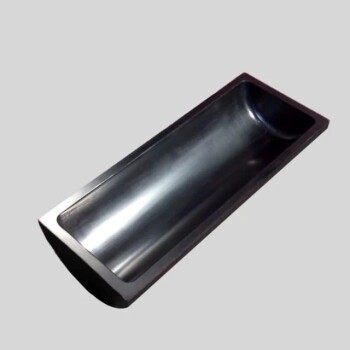
High-purity ceramic tubes are the industry standard for oxidation reaction chambers because they function as a robust isolation barrier between the test environment and the furnace infrastructure. By physically separating the high-temperature steam from the electrical heating elements, these tubes prevent cross-contamination while ensuring the reaction media is distributed evenly across the samples.
High-purity ceramics solve the dual challenge of protecting sensitive heating elements from corrosive steam while providing a chemically inert environment that guarantees the accuracy of oxidation data.
The Mechanics of Isolation and Protection
High-temperature oxidation studies require a pristine environment to yield accurate data. The primary function of the ceramic tube is to create a "furnace within a furnace."
Preventing Cross-Contamination
In an oxidation chamber, the integrity of the sample is paramount. High-purity ceramic tubes possess excellent chemical inertness. This prevents the tube material from reacting with the test samples or the high-temperature steam, ensuring that experimental results are not skewed by foreign contaminants.
Shielding Heating Elements
Direct exposure to high-temperature steam can rapidly degrade metal heating elements. The ceramic tube acts as a physical shield, isolating these sensitive components from the corrosive reaction media. This separation significantly extends the operational lifespan of the furnace.
Material Performance in Extreme Conditions
Beyond simple physical isolation, the material properties of high-purity ceramics are selected to withstand the mechanical and thermal stresses of the reaction process.
Withstanding Thermal Shock
Furnaces often cycle through extreme temperature ranges. High-purity ceramic tubes are engineered to possess exceptional resistance to thermal shock. This allows them to endure rapid temperature changes without cracking or structural failure.
Efficient Heat Transfer
While the tube acts as a barrier to matter, it must not be a barrier to energy. Materials like dense alumina are prized for high thermal conductivity. They efficiently transfer heat from the intermediate metal heating elements to the samples inside, ensuring the target temperature is reached and maintained.
Ensuring Gas Tightness
For oxidation reactions involving pressure, containment is critical. High-purity dense alumina provides excellent gas tightness. This ensures the reaction media is contained within the inner wall, maintaining stable pressure conditions throughout the experiment.
Critical Considerations and Requirements
To achieve valid results, one must understand the specific operational requirements that dictate the quality of the ceramic used. Failing to meet these standards results in compromised data or equipment failure.
The Necessity of Density
Not all ceramics perform equally under pressure. The material must be high-density to function effectively as an inner wall. A tube lacking sufficient density may compromise gas tightness, leading to leaks that destabilize the reaction environment.
Uniform Flow Distribution
The geometry and placement of the tube are as important as the material. The tube is responsible for ensuring that steam flow is distributed uniformly around the test samples. Uneven distribution can lead to localized inconsistencies, rendering oxidation rate data unreliable.
Making the Right Choice for Your Goal
Selecting the correct ceramic containment depends on the specific parameters of your oxidation study.
- If your primary focus is Data Accuracy: Prioritize high-purity dense alumina to ensure total chemical inertness and prevent reaction byproducts from contaminating your samples.
- If your primary focus is Equipment Longevity: Ensure the tube offers a complete seal to isolate and protect the metal heating elements from corrosive high-temperature steam.
High-purity ceramic tubes provide the essential balance of thermal resilience and chemical isolation required for reproducible, high-integrity oxidation research.
Summary Table:
| Feature | Benefit in Oxidation Chambers |
|---|---|
| Chemical Inertness | Prevents cross-contamination between tube and samples |
| High Thermal Conductivity | Ensures efficient and uniform heat transfer to samples |
| Thermal Shock Resistance | Withstands rapid temperature cycling without cracking |
| Gas Tightness | Maintains stable pressure and contains reaction media |
| Physical Isolation | Protects metal heating elements from corrosive steam |
Elevate Your Laboratory Precision with KINTEK
Don't let contamination or equipment failure compromise your research. KINTEK specializes in high-performance laboratory equipment, providing the high-purity ceramic tubes and crucibles essential for reliable high-temperature oxidation studies.
Our extensive portfolio supports every stage of your workflow, from high-temperature furnaces (muffle, tube, and vacuum) to high-pressure reactors, autoclaves, and hydraulic presses. Whether you are conducting battery research or material synthesis, our precision-engineered solutions—including cooling systems and homogenizers—deliver the durability and accuracy your lab demands.
Ready to optimize your thermal processes? Contact our technical experts today to find the perfect ceramic components and equipment for your specific application.
References
- M. S. Syrtanov, Dmitrii V. Sidelev. High-Temperature Steam Oxidation of Accident-Tolerant Cr/Mo-Coated Zr Alloy at 1200–1400 °C. DOI: 10.3390/coatings13010191
This article is also based on technical information from Kintek Solution Knowledge Base .
Related Products
- High Temperature Constant Temperature Heating Circulator Water Bath Chiller Circulator for Reaction Bath
- Customer Made Versatile CVD Tube Furnace Chemical Vapor Deposition Chamber System Equipment
- Customizable Laboratory High Temperature High Pressure Reactors for Diverse Scientific Applications
- 5L Heating Chilling Circulator Cooling Water Bath Circulator for High and Low Temperature Constant Temperature Reaction
- 50L Heating Chilling Circulator Cooling Water Bath Circulator for High and Low Temperature Constant Temperature Reaction
People Also Ask
- What is the necessity of a circulating water bath in chlorate production? Optimize Yield & Purity with Precision
- How does a constant temperature circulator support the leaching reaction of gold scrap? Optimize Gold Recovery Results
- How do constant temperature circulators impact weight-loss immersion tests? Ensure Precision in Corrosion Analysis
- Why is a constant temperature water bath used for precursor storage in CVD? Achieve Stable Nanocrystalline SiC Deposition
- Why is a high-precision constant temperature water bath necessary for anaerobic digestion? Ensure Success at 37±0.02°C