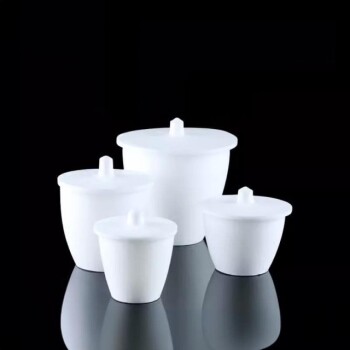
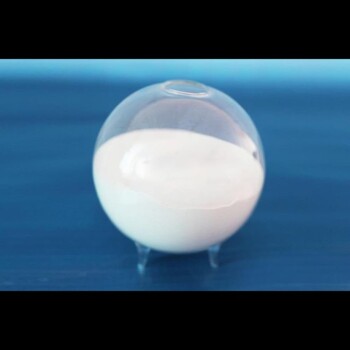
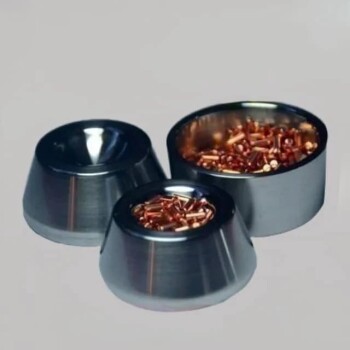
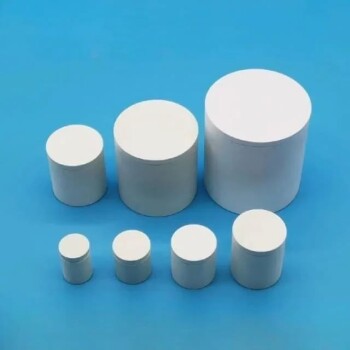
The preparation of synthesized carbon nanomaterials for ICP-AES requires quartz crucibles and acid digestion to transform solid composites into a pure, liquid ionic state. This process is essential because ICP-AES instruments require liquid samples, and the carbon matrix must be fully broken down to release encapsulated metal nanoparticles—such as copper or nickel—for accurate quantification.
To achieve precise elemental analysis, solid carbon-metal composites must be completely dissolved into a liquid state while preventing any external contamination from the processing vessels. High-purity quartz and strong acid digestion work in tandem to ensure the sample is instrument-ready and chemically untainted.
Phase Transformation for Instrument Compatibility
Converting Solids to Ions
ICP-AES (Inductively Coupled Plasma Atomic Emission Spectroscopy) operates by nebulizing a liquid sample into an aerosol before exciting it in a plasma. Strong acid digestion is the only way to break down the resilient carbon lattice and convert embedded metal nanoparticles into a free-moving ionic state that the instrument can process.
Ensuring Total Metal Recovery
In synthesized nanomaterials, metal particles are often "trapped" or deposited deep within the carbon phase. Without complete digestion using acids like HCl, these metals remain shielded, leading to significant underestimation of metal loading during the analysis.
Maintaining Sample Integrity and Purity
Preventing Vessel Leaching
High-purity quartz crucibles are selected because they are exceptionally resistant to chemical erosion. Using lower-quality materials could cause vessel components (like iron or aluminum) to leach into the sample during heating, leading to false-positive results or skewed data.
Chemical Inertness During Synthesis
During high-temperature carbonization, quartz does not react with metal salts or pyrolysis products. This chemical stability ensures that the purity of the carbon/metal composite remains intact from synthesis through to the final digestion stage.
Material Stability Under Extreme Conditions
Thermal Shock Resistance
Carbon nanomaterial synthesis often involves high-temperature calcination. Quartz crucibles offer the thermal stability required to survive these processes without cracking or introducing structural impurities into the composite.
Acid-Resistant Environment
The digestion process requires heating samples in concentrated acids to break mineral crystal lattices. Quartz provides a durable, non-reactive environment that can withstand these aggressive conditions while facilitating the total breakdown of the sample.
Understanding the Trade-offs
Material Limitations
While quartz is superior for purity, it is more fragile than alumina and can be sensitive to certain alkaline fluxes. Using the wrong cleaning agent or exposing quartz to extremely high-alkaline environments can lead to premature etching and vessel failure.
Digestion Hazards
Strong acid digestion requires specialized laboratory high-pressure reactors or ventilated environments to manage toxic fumes and pressure build-up. Failure to reach complete dissolution—often visible as a clear, particle-free liquid—will invariably result in inaccurate ICP-AES readings.
Making the Right Choice for Your Goal
To ensure your elemental analysis is both accurate and reproducible, consider your primary objective:
- If your primary focus is absolute quantification of metal loading: Ensure total acid digestion until the solution is completely clear to guarantee all metals are in an ionic state.
- If your primary focus is preventing trace element contamination: Prioritize high-purity quartz over alumina to minimize the risk of leaching foreign ions into your synthesized composite.
- If your primary focus is high-temperature synthesis safety: Use quartz crucibles to ensure the vessel does not react with metal salts or carbon precursors during the pyrolysis phase.
By strictly adhering to high-purity vessel standards and rigorous digestion protocols, you ensure that your analytical data reflects the true composition of your nanomaterials.
Summary Table:
| Requirement | Primary Function | Key Benefit for ICP-AES |
|---|---|---|
| Acid Digestion | Phase Transformation | Converts solid composites into liquid ions for instrument compatibility. |
| High-Purity Quartz | Contamination Control | Prevents leaching of vessel impurities (Fe, Al) into the sample. |
| Chemical Inertness | Sample Integrity | Ensures no reaction between the vessel and metal salts during synthesis. |
| Thermal Stability | Structural Durability | Withstands high-temperature calcination and aggressive acid heating. |
Achieve Analytical Excellence with KINTEK
Precision in nanomaterial analysis starts with the right tools. KINTEK specializes in high-performance laboratory equipment designed to meet the rigorous demands of ICP-AES preparation.
Whether you need high-purity quartz crucibles and ceramics to eliminate trace contamination or high-temperature high-pressure reactors and autoclaves for complete sample digestion, our solutions ensure your data is accurate and reproducible. We also offer a full range of muffle furnaces, crushing systems, and specialized consumables to support your entire research workflow.
Ready to elevate your lab's accuracy? Contact our experts today to find the perfect equipment for your synthesis and analysis needs!
References
- Bholanath T. Mukherjee. Role of Annealing Temperature on Improving the Hydrogen Storage Capacity of Copper Nano-Particles Decorated Carbon Nano Materials Synthesized from Sugarcane Bagasse. DOI: 10.22214/ijraset.2023.57710
This article is also based on technical information from Kintek Solution Knowledge Base .
Related Products
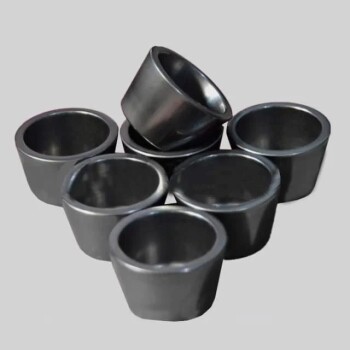
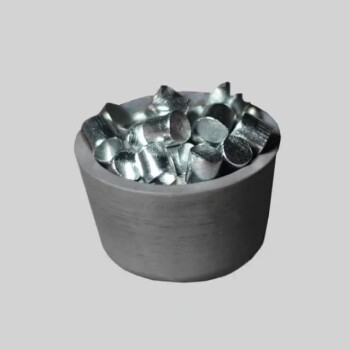
- High Purity Pure Graphite Crucible for Evaporation
- High Purity Pure Graphite Crucible for Electron Beam Evaporation
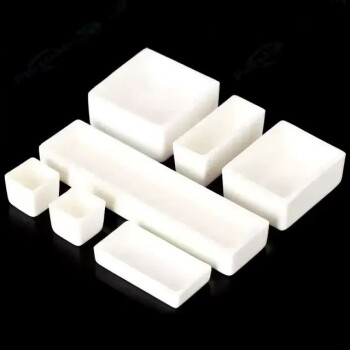
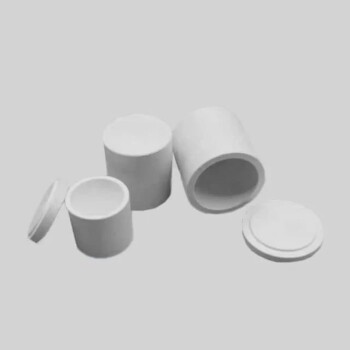
- Arc-Shaped Alumina Ceramic Crucible High Temperature Resistant for Engineering Advanced Fine Ceramics
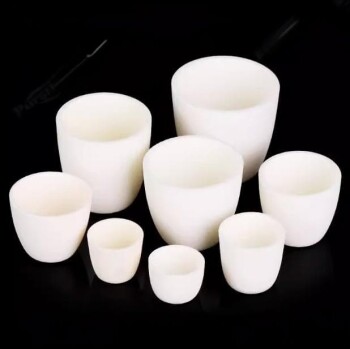
- Engineering Advanced Fine Alumina Al2O3 Ceramic Crucible for Laboratory Muffle Furnace
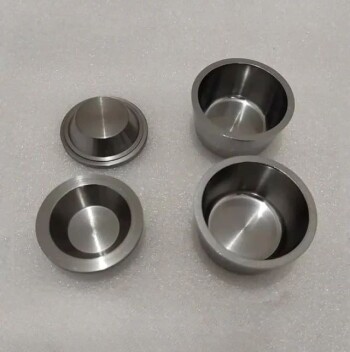
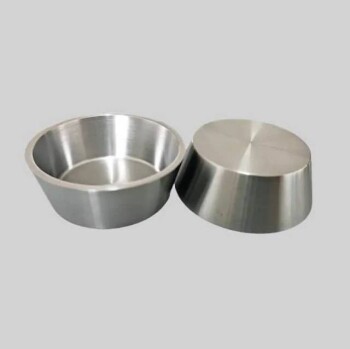
- Electron Beam Evaporation Coating Tungsten Crucible and Molybdenum Crucible for High Temperature Applications
People Also Ask
- Why are high-purity graphite crucibles preferred for sulfide solid electrolytes? Achieve Superior Material Purity
- Why is a high-purity graphite crucible required for Chromel-TaC composites? Ensure Peak Purity at 1400°C
- What role do high-purity graphite crucibles play in molten salt corrosion research? Ensure Reactor-Grade Precision
- Why are high-purity graphite crucibles used for magnesium distillation? Ensure 3N8 Purity & Thermal Stability
- Why is a high-purity graphite crucible ideal for nitrogen-doped graphene at 1500 °C? Maximize Purity and Stability