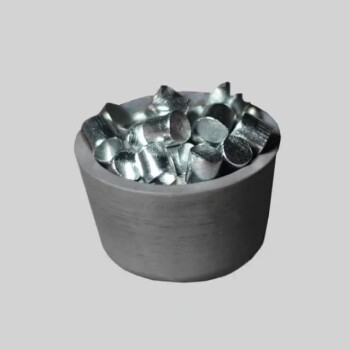
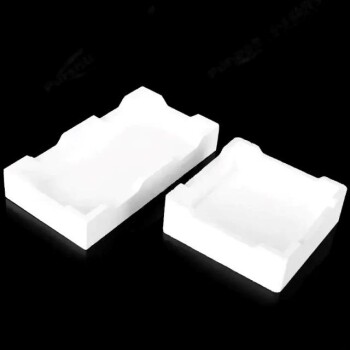
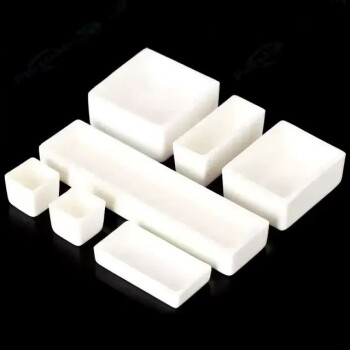
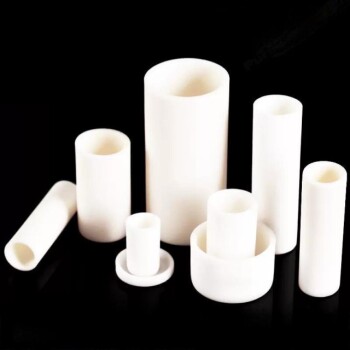
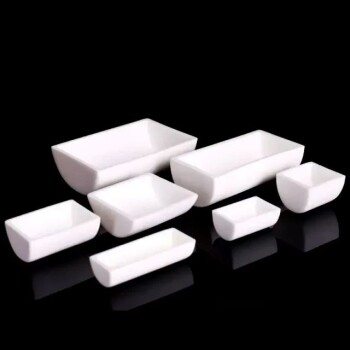
High-temperature crucibles are the distinct foundation of accurate metal passivation research, acting as the primary barrier between volatile chemical processes and experimental error. In laboratory settings, they provide the necessary stability to hold corrosive salt solutions and metal samples, ensuring that the aggressive heating environment does not compromise the integrity of the materials being studied.
The core value of high-temperature crucibles is their ability to decouple the heating process from chemical interference. By resisting both thermal shock and chemical attack, they prevent the leaching of impurity ions that would otherwise invalidate data regarding the modification of passive films.
Preserving Chemical Purity
To understand the indispensable nature of these crucibles, one must look at the specific chemical requirements of passivation experiments.
The Barrier Against Corrosion
Passivation processes often involve corrosive salt solutions that aggressively attack standard containment materials. A standard vessel would degrade, releasing material into the solution.
High-temperature crucibles are engineered for chemical inertness. They withstand the corrosive nature of the bath without reacting, ensuring the solution composition remains exactly as the researcher intended.
Eliminating Impurity Ions
The introduction of even trace impurities can drastically alter the behavior of a metal’s passive film.
If a crucible degrades, it introduces foreign ions into the solution. These ions can dope the passive film or alter the electrochemical reactions, leading to false positives or inaccurate modification data. High-temperature crucibles eliminate this variable.
Managing Extreme Thermal Stress
Beyond chemical resistance, the physical demands of passivation experiments require robust thermal properties.
Surviving Thermal Shock
These experiments frequently involve rapid temperature transitions, such as moving from high-heat exposure to subsequent quenching.
Standard materials would shatter under this stress. High-temperature crucibles are indispensable because they possess excellent thermal shock resistance, allowing them to survive rapid cooling phases without structural failure.
Stability During Prolonged Exposure
Modification experiments often require sustaining high temperatures for extended periods to achieve the desired effect on the passive film.
The crucible must maintain its structural and chemical integrity throughout this prolonged high-temperature exposure. This ensures that the environment at minute 60 is just as pure and controlled as the environment at minute one.
Understanding Operational Trade-offs
While high-temperature crucibles are essential, they are not without limitations that researchers must manage.
Mechanical Fragility
While these vessels possess high thermal resistance, they often suffer from mechanical brittleness. They can withstand extreme heat but may crack easily if dropped or subjected to physical impact during handling.
Specificity of Material Compatibility
No single crucible material is universal. A crucible that is inert to one type of salt solution may react with another. Users must verify that the specific crucible material is chemically compatible with the specific corrosive agents used in their unique passivation process.
Making the Right Choice for Your Goal
Selecting and utilizing the correct crucible is about aligning equipment capabilities with experimental stakes.
- If your primary focus is Surface Chemistry Accuracy: Prioritize crucibles with the highest certified chemical purity to guarantee zero ion leaching into the passive film.
- If your primary focus is Process Durability: Select crucibles rated specifically for the exact thermal shock range of your heating and quenching cycles to prevent catastrophic failure.
The high-temperature crucible is not merely a vessel; it is a critical control measure that safeguards the validity of your entire passivation study.
Summary Table:
| Feature | Benefit in Metal Passivation | Importance to Research Accuracy |
|---|---|---|
| Chemical Inertness | Prevents leaching of impurity ions | Ensures passive film data remains untainted by foreign contaminants |
| Corrosion Resistance | Withstands aggressive salt solutions | Maintains vessel integrity during exposure to harsh chemical baths |
| Thermal Shock Resistance | Survives rapid quenching phases | Prevents crucible cracking during extreme temperature transitions |
| Structural Stability | Resists degradation over time | Guarantees a consistent environment for prolonged high-heat experiments |
Elevate Your Passivation Research with KINTEK Precision
Ensure the absolute purity and reliability of your laboratory experiments with KINTEK’s premium high-temperature crucibles and laboratory equipment. As specialists in advanced thermal solutions, we understand that even trace impurities can jeopardize your passivation data.
Our extensive portfolio includes:
- High-Performance Crucibles: Available in various materials to match your specific chemical compatibility needs.
- Precision Heating: Muffle, tube, and vacuum furnaces designed for uniform thermal control.
- Material Processing: Crushing, milling, and hydraulic presses for sample preparation.
- Advanced Reactors: High-temperature high-pressure reactors and autoclaves for complex synthesis.
Don't let equipment limitations compromise your scientific breakthroughs. Contact KINTEK today to consult with our experts and find the perfect consumables and equipment for your metal passivation and material science needs.
References
- Shenghan Zhang, Yu Tan. Corrosion Behavior and Morphology of Passive Films Modified with Zinc–Aluminum Simultaneous Treatment on Different Metals. DOI: 10.3390/met10080986
This article is also based on technical information from Kintek Solution Knowledge Base .
Related Products
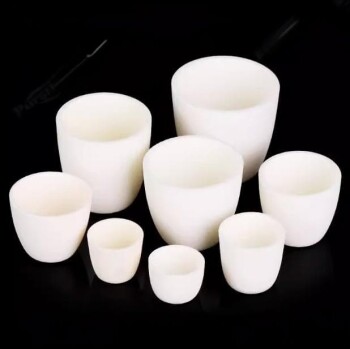
- Arc-Shaped Alumina Ceramic Crucible High Temperature Resistant for Engineering Advanced Fine Ceramics
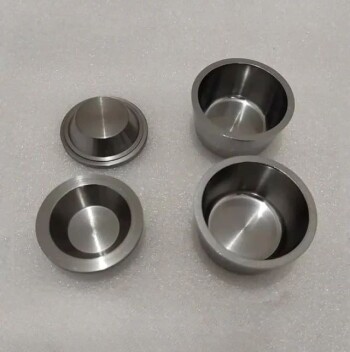
- Electron Beam Evaporation Coating Tungsten Crucible and Molybdenum Crucible for High Temperature Applications
- High Purity Pure Graphite Crucible for Evaporation
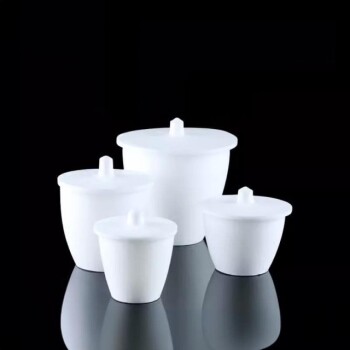
- Custom Machined and Molded PTFE Teflon Parts Manufacturer with PTFE Crucible and Lid
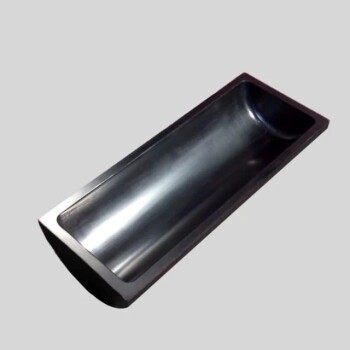
- Carbon Graphite Boat -Laboratory Tube Furnace with Cover
People Also Ask
- Why Use Alumina Crucibles & Powder Burial for NaSICON? Ensure Phase Purity and Prevent Elemental Volatilization
- What is the primary purpose of using alumina crucibles for LLTO ceramics? Optimize Your High-Temperature Sintering
- Why are alumina crucibles and mother powder essential for LATP sintering? Optimize Your Solid Electrolyte Performance
- Why are high-purity alumina crucibles used for liquid lead corrosion experiments? Ensure Data Accuracy at 550°C
- Primary considerations for choosing alumina crucibles and quartz tubes in indium intercalation: Ensure Material Purity