PFSA polymer membranes are the definitive choice for Proton Exchange Membrane (PEM) electrolysis because they uniquely combine exceptional chemical stability with high proton conductivity. Acting simultaneously as a solid electrolyte and a gas separator, these membranes allow systems to operate at high pressures and current densities without the need for liquid caustic solutions. This results in the rapid production of high-purity hydrogen within a significantly more compact equipment footprint.
The core value of PFSA lies in its dual nature: it acts as a highly efficient highway for protons while serving as an impenetrable wall for gases, enabling the creation of compact, high-performance electrolyzers.
The Functional Mechanics of PFSA
To understand why Perfluorosulfonic Acid (PFSA) is the industry standard, one must look at the specific physical roles it performs within the cell stack.
High Proton Conductivity
The primary function of the PFSA membrane is to serve as a solid electrolyte. It facilitates the rapid transfer of protons (H+) from the anode to the cathode.
This high conductivity reduces ohmic voltage drops across the cell. By minimizing resistance, the system maintains high efficiency even during intense operation.
Robust Gas Separation
While the membrane allows protons to pass through freely, it must physically block other elements. It serves as a critical separator that prevents gas crossover.
This ensures that the hydrogen produced at the cathode does not mix with the oxygen produced at the anode. This separation is vital for maintaining the high purity of the hydrogen output and ensuring operational safety.
Structural Electrode Support
Beyond its chemical roles, the membrane provides structural integrity to the cell. In modern PEM designs, the membrane functions as the physical support for the electrodes.
This eliminates the gap between components, contributing to the "zero-gap" design that characterizes compact PEM electrolyzers.
Operational Advantages
The material properties of PFSA translate directly into operational capabilities that legacy liquid systems cannot match.
Extreme Chemical Stability
Electrolysis creates a harsh, acidic environment that would degrade lesser materials. PFSA offers exceptional chemical stability under these conditions.
This durability ensures a long operational lifespan for the stack, reducing maintenance frequency and improving system reliability.
High Current Densities and Pressure
Because of the membrane's conductivity and strength, PEM electrolyzers can operate at high current densities. This allows the equipment to produce more hydrogen per unit of active area.
Furthermore, the membrane's mechanical strength supports operation at high differential pressures. This facilitates the direct production of pressurized hydrogen, reducing the need for external compression stages.
Understanding the Trade-offs
While PFSA enables high performance, it introduces specific engineering constraints that must be managed.
Heat and Water Management
High proton conductivity in PFSA membranes typically relies on proper hydration. The system must maintain a delicate water balance to ensure the membrane remains conductive without flooding the electrodes.
Thermal Constraints
While chemically stable, polymer membranes have lower thermal ceilings compared to ceramic or liquid counterparts. Operating temperatures must be strictly controlled to prevent thermal degradation of the polymer structure.
Implications for System Design
The choice of PFSA dictates the capabilities of the final hydrogen production system.
- If your primary focus is compact footprint: Leverage the high current density capabilities of PFSA to maximize hydrogen output relative to the physical size of the stack.
- If your primary focus is hydrogen purity: Rely on the membrane’s gas separator function to produce high-grade hydrogen suitable for fuel cells without extensive post-purification.
Ultimately, PFSA membranes transform the electrolyzer from a bulky chemical plant into a responsive, high-pressure machine capable of rapid energy conversion.
Summary Table:
| Feature | Function in PEM Electrolysis | Benefit to System |
|---|---|---|
| High Proton Conductivity | Acts as a solid electrolyte for H+ transport | Reduces ohmic losses and increases efficiency |
| Gas Separation | Prevents crossover of H2 and O2 | Ensures high gas purity and operational safety |
| Chemical Stability | Resists harsh acidic environments | Extends membrane lifespan and reduces maintenance |
| Mechanical Strength | Supports high differential pressures | Allows for direct production of pressurized hydrogen |
| Structural Support | Enables "zero-gap" electrode design | Creates a compact, high-performance footprint |
Elevate Your Research with KINTEK Precision
Unlock the full potential of your hydrogen production and energy storage research with KINTEK’s specialized laboratory solutions. As leaders in advanced materials and high-performance equipment, we provide the tools necessary for precise PEM electrolysis and battery research.
From electrolytic cells and electrodes to high-pressure reactors and high-temperature furnaces, KINTEK offers a comprehensive portfolio designed for durability and accuracy. Whether you are developing next-generation membranes or optimizing system efficiency, our expert-grade consumables—including PTFE products, ceramics, and crucibles—ensure consistent results in the most demanding environments.
Ready to accelerate your innovation? Contact us today to discover how KINTEK can supply the high-quality equipment and expertise your lab needs for superior performance.
References
- Inês Rolo, F. P. Brito. Hydrogen-Based Energy Systems: Current Technology Development Status, Opportunities and Challenges. DOI: 10.3390/en17010180
This article is also based on technical information from Kintek Solution Knowledge Base .
Related Products
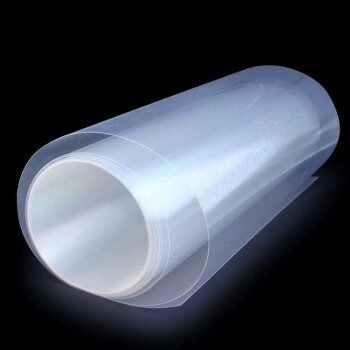
- Proton Exchange Membrane for Batteries Lab Applications
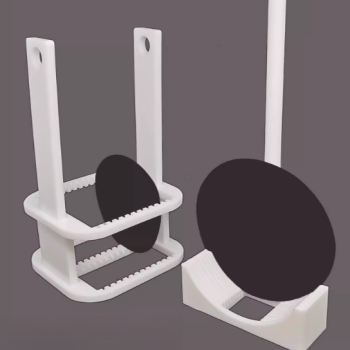
- Customizable PTFE Wafer Carriers for Semiconductor and Lab Applications
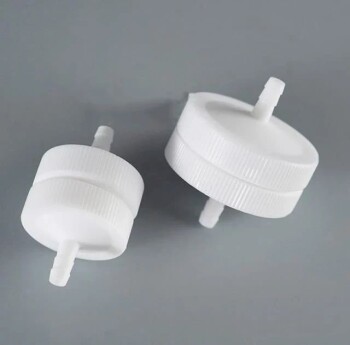
- Custom PTFE Teflon Parts Manufacturer for Sampling Filters
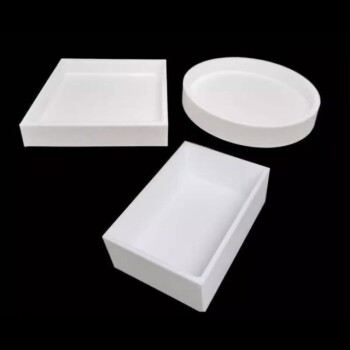
- Custom PTFE Teflon Parts Manufacturer for Culture Dish and Evaporation Dish
- Custom PTFE Teflon Parts Manufacturer for PTFE Containers
People Also Ask
- What is the function of a proton exchange membrane in a PEC cell? Enhancing CO2 Reduction Safety and Efficiency
- What initial steps are required before using a new proton exchange membrane? Ensure Peak Performance and Longevity
- What should be done if a proton exchange membrane is found to be contaminated or damaged? Restore Performance or Replace for Safety
- How should a proton exchange membrane be installed? A Guide to Flawless Assembly for Peak Performance
- What contaminants should be avoided during the operation of a proton exchange membrane? Protect Your PEM from Heavy Metals & Organics