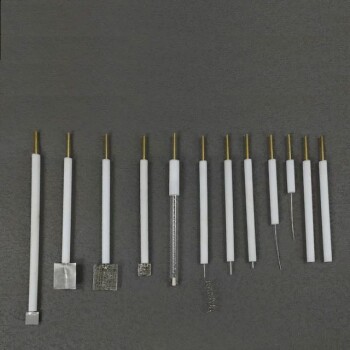
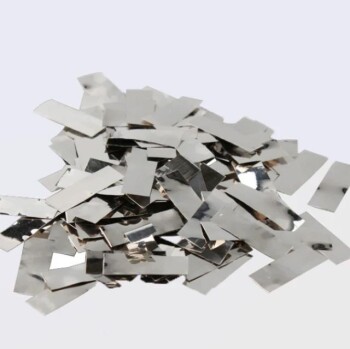
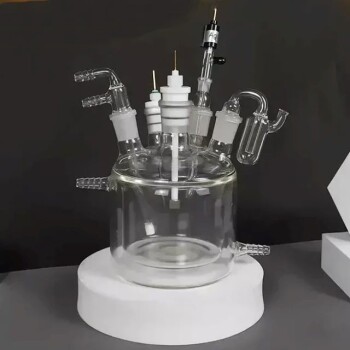
Platinum (Pt) and graphite are the primary choices for cathodes in Plasma Electrolytic Oxidation (PEO) because they combine exceptional electrical conductivity with high chemical inertness. In the aggressive, high-voltage environment required to treat Zircaloy-4, these materials resist corrosion, preventing the release of impurities that would contaminate the electrolyte and compromise the coating quality.
The reliability of the PEO process hinges on the stability of the cathode. Platinum and graphite are selected not just to conduct electricity, but because they refuse to react with the electrolyte, ensuring a contaminant-free environment for the oxidation of the anode.
The Critical Role of Chemical Inertness
Resisting Aggressive Environments
The PEO process typically utilizes high-voltage alkaline or neutral electrolytes.
This environment is chemically aggressive and promotes rapid corrosion in standard metals. Platinum and graphite possess the inherent chemical resistance necessary to withstand these conditions without degrading.
Preventing Electrolyte Contamination
A dissolving electrode is a major process risk. If a cathode reacts with the solution, it releases foreign ions into the electrolyte bath.
These impurities can interfere with the plasma discharges or become embedded in the Zircaloy-4 coating. By remaining chemically inert, platinum and graphite prevent this electrode dissolution, maintaining the purity of the electrolyte.
Ensuring Process Stability
Supporting Stable Current Conduction
PEO relies on the generation of micro-discharges (plasma) on the surface of the anode (the Zircaloy-4).
To sustain this plasma, the system requires a consistent and unhindered flow of electricity. Platinum and graphite offer excellent electrical conductivity, ensuring the circuit remains efficient and stable throughout the treatment.
Facilitating the Oxidation Reaction
The cathode is not merely a passive element; it completes the electrochemical cell.
Stable conduction at the cathode is required to support the complex oxidation reactions occurring at the anode. Any fluctuation caused by a degrading cathode would destabilize the plasma field and result in uneven coating growth.
Understanding the Trade-offs
The Cost Factor
While Platinum is the ideal material regarding performance and durability, it presents a significant barrier regarding cost.
It is typically reserved for applications where electrolyte purity is paramount and budget constraints are secondary.
Physical Durability
Graphite offers a cost-effective alternative with excellent conductivity and inertness, but it lacks the mechanical robustness of metal.
Over long durations or in highly turbulent electrolytes, graphite can suffer from mechanical erosion, potentially requiring more frequent replacement than a platinum counterpart.
Making the Right Choice for Your Goal
Selecting between these two materials often comes down to balancing budget against the strictness of contamination limits.
- If your primary focus is absolute purity and longevity: Choose Platinum, as its resistance to both chemical and mechanical degradation ensures the highest quality coating with zero risk of contamination.
- If your primary focus is cost-efficiency: Choose Graphite, which provides the necessary inertness and conductivity for successful PEO treatment at a fraction of the material cost.
Ultimatley, the choice of cathode must guarantee that the electrolyte remains stable and the current flow remains uninterrupted to ensure a uniform Zircaloy-4 coating.
Summary Table:
| Feature | Platinum (Pt) Cathode | Graphite Cathode |
|---|---|---|
| Chemical Inertness | Exceptionally High | High |
| Conductivity | Excellent | Very Good |
| Cost | High (Premium) | Low (Economical) |
| Durability | Superior Longevity | Prone to Mechanical Erosion |
| Best For | Ultra-pure research & long-term use | Cost-effective industrial applications |
Optimize Your PEO Process with KINTEK Quality
Precision in Plasma Electrolytic Oxidation (PEO) starts with the right materials. At KINTEK, we specialize in providing high-performance laboratory equipment and specialized components to ensure your research and production meet the highest standards.
Whether you are treating Zircaloy-4 or developing advanced battery technologies, our extensive portfolio—including platinum and graphite electrodes, electrolytic cells, and high-temperature furnaces—is designed to deliver stability and purity. Don't let cathode degradation compromise your coating quality.
Ready to upgrade your lab's capabilities? Contact our experts today to discover how KINTEK’s range of high-precision reactors, milling systems, and electrochemical tools can provide the perfect solution for your specific application.
References
- Maman Kartaman Ajiriyanto, Anawati Anawati. Kajian Literatur Karakteristik Lapisan Keramik Oksida yang Ditumbuhkan Diatas Paduan Zirkonium dengan Metode Plasma Electrolytic Oxidation. DOI: 10.13057/ijap.v12i1.49853
This article is also based on technical information from Kintek Solution Knowledge Base .
Related Products
- Iridium Dioxide IrO2 for Water Electrolysis
- Electrode Polishing Material for Electrochemical Experiments
- Proton Exchange Membrane for Batteries Lab Applications
- Polyethylene Separator for Lithium Battery
- Reference Electrode Calomel Silver Chloride Mercury Sulfate for Laboratory Use
People Also Ask
- What advantages does supercritical fluid technology provide for Iridium catalysts? Achieve Precision Nano-Synthesis
- What are the different types of catalysts used in pyrolysis? A Guide to Optimizing Biomass Conversion
- How does catalyst work in pyrolysis? A Guide to Efficient and Selective Fuel Production
- Which catalyst is used in pyrolysis process? Choosing the Right Catalyst for Your Feedstock
- What is the best catalyst for pyrolysis? A Strategic Guide to Maximizing Bio-Oil Quality and Yield