Sealed steel cans and an argon atmosphere act as a critical defense system during mechanical alloying. This controlled environment is strictly necessary to prevent the oxidation of reactive metal powders—specifically aluminum—during high-energy ball milling. Without this protection, oxygen contamination would compromise the chemical integrity and physical properties of the final (W0.4Al0.6)C0.65–Co cemented carbide material.
By isolating the powder mixture from the ambient atmosphere, you ensure the synthesis of a high-purity (W,Al)C solid solution with precise stoichiometry. This process eliminates oxygen contamination, which is the primary barrier to achieving the desired material performance.
The Necessity of Environmental Control
To understand why this setup is non-negotiable, you must look at the chemical volatility of the components involved.
Preventing Aluminum Oxidation
The primary risk during this process is the oxidation of metal powders.
Aluminum is particularly susceptible to reacting with oxygen.
During high-energy ball milling, the powder particles are repeatedly fractured, exposing fresh, highly reactive surfaces.
An argon atmosphere within a sealed can neutralizes this threat by removing oxygen from the equation.
Ensuring Stoichiometric Accuracy
The goal of this process is to synthesize a specific (W,Al)C solid solution.
To achieve this, the ratio of elements (stoichiometry) must remain precise.
If oxidation occurs, oxygen atoms bind with the metal powders, altering the chemical composition.
Using a protective atmosphere preserves the exact chemical balance required for the material.
Maintaining Physical Properties
The ultimate value of cemented carbide lies in its physical performance.
Oxygen contamination acts as an impurity that degrades these properties.
By preventing oxidation, you ensure the final material retains the strength and durability expected of (W0.4Al0.6)C0.65–Co.
Understanding the Risks of Exposure
While the mechanical alloying process is robust, it is vulnerable to atmospheric variables.
The Consequence of Leakage
If the steel can is not perfectly sealed, ambient air will enter the milling chamber.
Even trace amounts of oxygen can disrupt the synthesis of high-purity powders.
This results in a contaminated end product that fails to meet purity standards.
Ensuring Process Integrity
To maximize the quality of your cemented carbide powders, focus on these critical objectives.
- If your primary focus is Material Purity: Prioritize the integrity of the steel can seal to prevent fresh aluminum surfaces from reacting with environmental oxygen.
- If your primary focus is Physical Performance: Rely on the argon atmosphere to prevent contamination, ensuring the final material exhibits the intended structural properties.
Controlling the atmosphere is not just a precautionary measure; it is the fundamental prerequisite for synthesizing high-performance cemented carbides.
Summary Table:
| Feature | Purpose in Mechanical Alloying | Impact on (W,Al)C-Co Material |
|---|---|---|
| Sealed Steel Cans | Prevents atmospheric air ingress | Ensures stoichiometric accuracy and high purity |
| Argon Atmosphere | Inert shielding of reactive surfaces | Inhibits oxidation of aluminum and tungsten powders |
| Oxygen Exclusion | Eliminates chemical contamination | Preserves physical strength and material durability |
| Controlled Environment | Protects fresh fractured surfaces | Facilitates synthesis of high-purity solid solutions |
Elevate Your Material Research with KINTEK Precision
Achieving the perfect stoichiometric balance in (W0.4Al0.6)C0.65–Co cemented carbides requires uncompromising environmental control. At KINTEK, we specialize in the high-performance laboratory equipment you need to maintain process integrity, from crushing and milling systems to advanced high-temperature furnaces and vacuum solutions.
Whether you are refining battery research, developing aerospace alloys, or synthesizing high-purity ceramics, our comprehensive range of vessels, milling media, and inert gas systems ensures your powders remain free from contamination. Don't let oxidation compromise your results—partner with the experts in laboratory precision.
Ready to optimize your alloying process? Contact KINTEK today for expert solutions!
Related Products
- Laboratory Ball Mill Jar Mill with Metal Alloy Grinding Jar and Balls
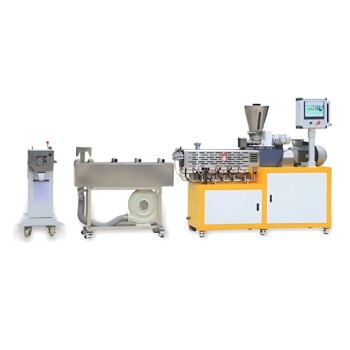
- Twin Screw Extruder Plastic Granulation Machine
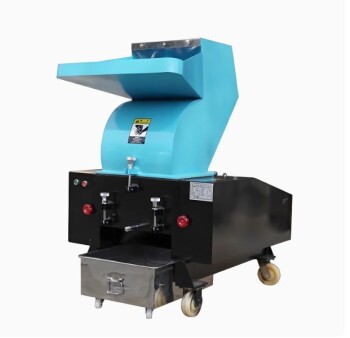
- Powerful Plastic Crusher Machine
- Laboratory Single Horizontal Jar Mill
- Mini Planetary Ball Mill Machine for Laboratory Milling
People Also Ask
- What is the function of a laboratory ball mill in the preparation of AMMCs? Optimize Dispersion & Grain Refinement
- What is the primary function of a laboratory ball mill in the modification of sulfide-based solid electrolytes with LiPO2F2?
- What is the function of a laboratory ball mill in the pretreatment of waste tire char (WTC)? Optimize Material Reactivity
- What is the primary function of a laboratory ball mill in Rice Husk Ash (RHA) modification? Achieve Peak Densification
- How do laboratory ball mills facilitate the mechanochemical synthesis of ZIF-8? Solvent-Free Synthesis Explained