Zirconia grinding media are strictly required for processing sulfide-based composite cathodes to prevent fatal metallic contamination. Because sulfide electrolytes are highly reactive and sensitive, the extreme hardness and chemical inertness of zirconia (ZrO2) are necessary to eliminate wear debris that would occur with stainless steel equipment. Using zirconia ensures the final material retains high purity, ionic conductivity, and electrochemical stability.
Core Insight: The decision to use zirconia is not just about milling efficiency; it is a defensive measure against chemical degradation. Metallic impurities from standard grinding jars act as reaction catalysts and conductive contaminants, effectively destroying the performance of sulfide electrolytes before they even enter a battery cell.
The Critical Role of Chemical Inertness
Preventing Metallic Contamination
Sulfide electrolytes are chemically distinct from oxide-based materials due to their high reactivity. When milling with standard stainless steel jars, microscopic wear debris (specifically iron) inevitably flakes off into the powder.
Zirconia is chemically inert and does not shed reactive metallic particles. This prevents the introduction of foreign metals that would compromise the purity of the cathode composite.
Avoiding Unwanted Side Reactions
The precursors used for sulfide electrolytes are highly active. In a high-energy milling environment, these precursors can react with the walls of the milling container if the material is chemically compatible.
Zirconia acts as a neutral boundary. It ensures that the chemical reactions occur strictly between the precursor materials themselves, rather than between the precursors and the jar walls.
Mechanical Advantages for Reaction Efficiency
Withstanding High-Energy Impact
Synthesizing these composites often requires mechanochemical reactions, which involve prolonged, high-energy ball milling. Softer materials would degrade rapidly under this stress.
Zirconia possesses extreme hardness and wear resistance. It can withstand the intense impact forces required to pulverize hard particles and homogenize the mixture without degrading over time.
Maximizing Energy Transfer
Effective mechanochemical synthesis requires the grinding media to transfer significant kinetic energy to the powder.
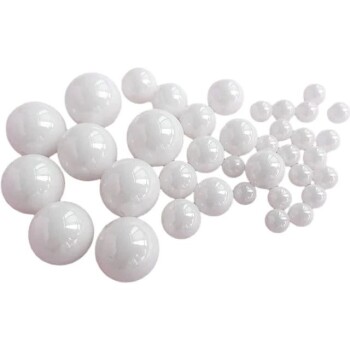
Zirconia beads are dense and hard, providing high impact energy. This shortens the reaction time required to refine particles and achieve the necessary phase formation for the solid electrolyte.
Understanding the Trade-offs
Brittleness vs. Ductility
While zirconia is harder than steel, it is also significantly more brittle. Unlike stainless steel, which may dent upon impact, zirconia jars or balls can crack or shatter if dropped or subjected to extreme thermal shock. Handlers must exercise care during loading and unloading.
Cost Implications
Zirconia grinding sets are considerably more expensive than their stainless steel or agate counterparts. However, in the context of sulfide electrolytes, this cost is unavoidable; the "cheaper" alternative (steel) results in wasted precursors and failed cells due to contamination.
The Impact on Battery Performance
Preserving Ionic Conductivity
The primary goal of a solid electrolyte is to transport ions efficiently. Metallic impurities introduced during milling can physically block ion pathways or alter the crystal structure of the sulfide.
By using zirconia, you ensure the ionic conductivity of the electrolyte remains unimpeded by foreign contaminants.
Preventing Internal Short Circuits
Metallic debris is electronically conductive. If metal particles from a steel jar end up in the cathode composite, they can create micro-short circuits within the cell.
Zirconia is an electrical insulator. Even if minute amounts of zirconia wear were to occur (which is rare), it would not cause the electrical shorting risks associated with metal debris.
Making the Right Choice for Your Goal
When setting up your milling protocol for sulfide composites, consider these specific outcomes:
- If your primary focus is Electrochemical Stability: Prioritize high-purity zirconia to prevent iron contamination, which causes voltage instability and degradation during cycling.
- If your primary focus is Process Efficiency: Utilize high-density zirconia balls to maximize impact energy, reducing the total milling time required to synthesize the phase.
- If your primary focus is Safety and Longevity: Ensure your zirconia jars are hermetically sealed (often under Argon) to prevent the hydrolysis of moisture-sensitive sulfides while milling.
Using zirconia is the industry standard for sulfide electrolytes because it provides the only reliable path to a contaminant-free, high-performance solid-state battery.
Summary Table:
| Feature | Zirconia (ZrO2) | Stainless Steel | Impact on Sulfide Electrolytes |
|---|---|---|---|
| Chemical Inertness | Extremely High | Low (Leaches Iron) | Prevents reactive degradation and impurity formation. |
| Hardness/Wear | 1200+ HV (Superior) | ~200 HV (Poor) | Eliminates metallic flakes that cause micro-short circuits. |
| Contamination | Non-conductive/Inert | Conductive Metallic | Preserves high ionic conductivity and electrochemical stability. |
| Energy Transfer | High Density/Impact | Moderate | Accelerates mechanochemical synthesis of solid electrolytes. |
Elevate Your Solid-State Battery Research with KINTEK
Don't let metallic contamination compromise your sulfide electrolyte performance. KINTEK specializes in premium laboratory equipment designed for high-sensitivity materials. Our high-density zirconia grinding jars and balls provide the chemical inertness and wear resistance necessary to maintain the ionic conductivity and purity of your composite cathodes.
From high-performance crushing and milling systems to high-temperature vacuum furnaces and hydraulic presses for pellet preparation, KINTEK offers a comprehensive ecosystem for battery research.
Ready to optimize your milling protocol? Contact our technical experts today to find the perfect grinding solutions and consumables for your lab's specific needs.
Related Products
- Precision Machined Zirconia Ceramic Ball for Engineering Advanced Fine Ceramics
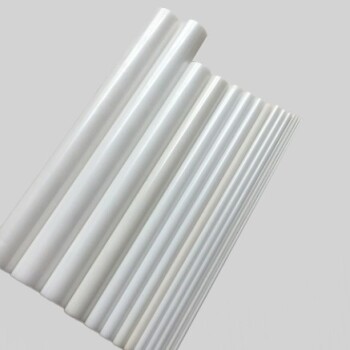
- Precision Machined Yttrium Stabilized Zirconia Ceramic Rod for Engineering Advanced Fine Ceramics
- Dental Porcelain Zirconia Sintering Ceramic Furnace Chairside with Transformer
- Dental Porcelain Zirconia Sintering Ceramic Vacuum Press Furnace
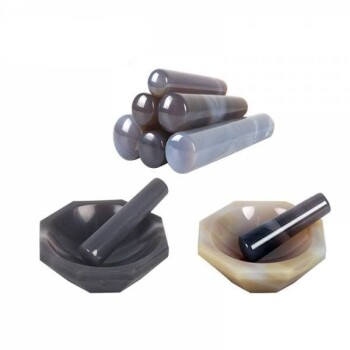
- Nature Agate Mortar and Pestle for Grinding and Mixing
People Also Ask
- What are the applications of zirconia ceramics? Unlock High-Performance Solutions for Extreme Environments
- What is the physical mechanism for selecting hard grinding media? Optimize Your ZrC-Al Matrix Composite Production
- Why are zirconia milling balls preferred for P2-type layered oxides? Ensure High Purity and Grinding Efficiency
- What is the purpose of using zirconia milling balls of different diameters? Optimize Solid Electrolyte Processing
- Why are zirconia grinding jars and balls required for solid-state electrolyte powders? Ensure High Purity & Performance