Zirconia-polysulfone composite materials are the preferred choice for alkaline water electrolysis diaphragms because they offer a critical balance of durability and safety. By embedding zirconium dioxide (ZrO2) particles into a polysulfone matrix, these composites resist degradation in harsh alkaline environments while effectively separating hydrogen and oxygen gases. Crucially, they achieve this physical isolation without impeding the high ionic conductivity required for the electrolytic process.
The primary value of this composite lies in its ability to withstand corrosive conditions while acting as a selective filter: it serves as a robust physical barrier against dangerous gas mixing while permitting the free flow of ions.
The Core Functions of the Composite Diaphragm
Ensuring Chemical Stability
In alkaline water electrolysis, the operating environment is chemically aggressive.
The polysulfone matrix provides the necessary structural backbone to withstand these conditions.
Because of this stability, the diaphragm avoids rapid degradation, ensuring a longer operational lifespan for the electrolytic cell.
Preventing Gas Crossover
Safety is the paramount concern in hydrogen production.
These composites act as a definitive physical barrier between the anode and cathode.
This prevents the potentially explosive cross-mixing of hydrogen and oxygen gases, ensuring the system remains safe during operation.
Maintaining Ionic Conductivity
While the diaphragm must block gas, it cannot block the electrical process.
The material is engineered to permit high ionic conductivity.
This allows the necessary ions to pass through the membrane efficiently, keeping the reaction continuous and productive.
Understanding the Trade-offs
The Impact of Thickness on Efficiency
While durability is essential, the physical dimensions of the diaphragm introduce a specific operational penalty.
The thickness of the material—typically around 1mm—is a critical variable.
This thickness directly influences the ohmic losses of the electrolytic cell.
Balancing Protection and Power
A thicker diaphragm offers a more secure physical barrier against gas crossover.
However, increased thickness raises the electrical resistance, which reduces the overall energy efficiency of the system.
Designers must optimize this dimension to ensure safety does not come at the cost of excessive power consumption.
Optimizing Diaphragm Selection
To leverage the benefits of zirconia-polysulfone composites effectively, you must align the material specifications with your operational priorities.
- If your primary focus is Operational Safety: Ensure the composite maintains sufficient thickness and structural integrity to guarantee a zero-fail physical barrier against gas mixing.
- If your primary focus is Energy Efficiency: Minimize the diaphragm thickness toward the 1mm benchmark to reduce ohmic losses, provided chemical stability is not compromised.
Ultimately, the success of this material relies on precisely balancing the need for a robust chemical shield against the requirement for low electrical resistance.
Summary Table:
| Feature | Benefit in Alkaline Water Electrolysis |
|---|---|
| Polysulfone Matrix | Provides structural backbone and chemical resistance to harsh alkaline environments. |
| Zirconia (ZrO2) Particles | Enhances hydrophilicity and maintains high ionic conductivity for the reaction. |
| Physical Barrier | Prevents dangerous gas crossover (H2 and O2) ensuring operational safety. |
| Optimized Thickness (~1mm) | Balances the trade-off between ohmic losses and robust physical isolation. |
Elevate Your Hydrogen Production Efficiency with KINTEK
Are you looking to optimize your alkaline water electrolysis or advance your research in renewable energy? KINTEK specializes in high-performance laboratory equipment and consumables designed for the most demanding electrochemical applications. From electrolytic cells and electrodes to specialized battery research tools, we provide the precision engineering required for your success.
Our extensive portfolio also includes:
- High-Temperature Solutions: Muffle, tube, vacuum, and CVD furnaces.
- Material Processing: Crushing, milling systems, and hydraulic presses (pellet, hot, isostatic).
- Pressure & Reaction Vessels: High-temperature high-pressure reactors and autoclaves.
- Lab Essentials: ULT freezers, freeze dryers, ceramics, and PTFE consumables.
Don't let inefficient materials limit your innovation. Contact us today to find the perfect diaphragm solution or lab equipment for your project!
References
- María José Lavorante, J. I. Franco. Straight-Parallel Electrodes and Variable Gap for Hydrogen and Oxygen Evolution Reactions. DOI: 10.1155/2019/5392452
This article is also based on technical information from Kintek Solution Knowledge Base .
Related Products
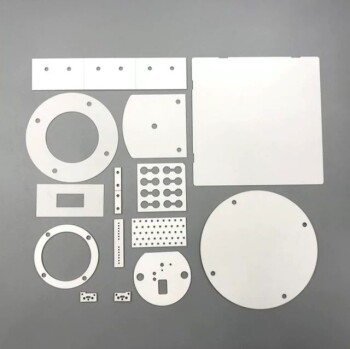
- Custom-Made Alumina Zirconia Special-Shaped Ceramic Plates for Engineering Advanced Fine Ceramics Processing
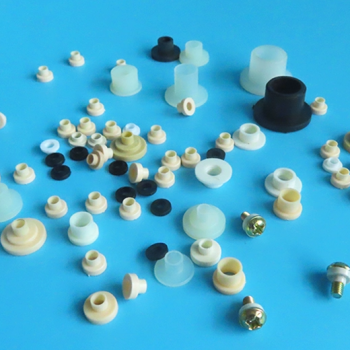
- Zirconia Ceramic Gasket Insulating Engineering Advanced Fine Ceramics
- Hydraulic Diaphragm Lab Filter Press for Laboratory Filtration
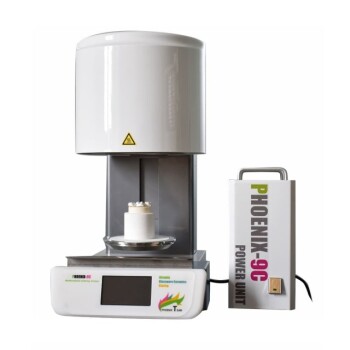
- Dental Porcelain Zirconia Sintering Ceramic Furnace Chairside with Transformer
People Also Ask
- What function do alumina ceramic plates serve as supports in the preparation of molecular sieve membranes?
- Why are ceramics more resistant to corrosion? Unlock the Secret to Unmatched Chemical Stability
- What are the process advantages of selecting an alumina plate for CuO nanofilm synthesis? Achieve Superior Purity
- How is alumina ceramic made? A Guide to Manufacturing Methods and Material Properties
- What are the applications of zirconia ceramics? Unlock High-Performance Solutions for Extreme Environments