High-precision heating and temperature control are mandatory in thermal catalytic hydrogen production to ensure both chemical efficiency and mechanical safety. A precise 500°C environment is required to drive the endothermic reaction for complete methanol conversion, ensuring high-purity hydrogen output. Simultaneously, strictly controlled heating prevents structural damage to the reactor vessel caused by thermal stress.
The core challenge in thermal catalytic hydrogen production is balancing chemical needs with mechanical constraints. Precision control maintains the specific energy input required for reaction purity while regulating heating rates to protect the reactor's physical integrity.
Achieving Chemical Stability and Purity
The primary reason for strict temperature control lies in the specific chemical requirements of the catalytic reaction.
The 500°C Critical Threshold
For systems utilizing Ni3Al-catalyzed decomposition, 500°C is not a suggestion; it is a critical operational threshold. Failing to reach or maintain this specific temperature results in the incomplete conversion of methanol.
Managing Endothermic Reactions
The decomposition process is endothermic, meaning it actively consumes heat as it progresses. High-performance heaters are required to continuously supply this energy to the reactor walls to counteract the cooling effect of the reaction.
Ensuring Hydrogen Purity
Temperature fluctuations do more than just slow down production; they alter the chemical outcome. Unstable temperatures can lead to the formation of unwanted byproducts, significantly degrading the purity and stability of the final hydrogen output.
Protecting Reactor Hardware
Beyond the chemistry, precision control is vital for the physical preservation of the equipment, particularly in high-pressure environments.
Mitigating Thermal Stress
Reactors used in these processes, such as those for Supercritical Water Gasification (SCWG), typically feature very thick walls to withstand high pressure. Rapid or uneven heating creates dangerous temperature differences between the inner and outer surfaces of these walls.
Controlling Heating Rates
To prevent these disparities, control systems enforce specific heating rates, such as 140°C/h. This programmed approach allows heat to conduct evenly through the metal, ensuring the entire vessel expands uniformly.
Preventing Structural Failure
If heating is not precisely controlled, the resulting stress gradients can cause micro-cracks and thermal fatigue. Precision control eliminates these risks, extending the operational lifespan of expensive capital equipment.
Common Pitfalls to Avoid
Understanding the consequences of poor thermal management is essential for system design and operation.
The Cost of Temperature Fluctuation
It is a mistake to assume that averaging a temperature of 500°C is sufficient. If the temperature oscillates around this target, the brief periods of lower temperature will instantly drop conversion rates, polluting the continuous hydrogen stream.
The Danger of Rapid Startup
Operators often face pressure to reach operating temperatures quickly to begin production. However, bypassing programmed heating rates to save time directly sacrifices the reactor's structural integrity, leading to premature equipment failure.
Making the Right Choice for Your Goal
When selecting or tuning temperature control equipment for hydrogen production, consider your specific operational priorities.
- If your primary focus is Hydrogen Purity: Prioritize control systems with rapid response times that can maintain a constant reactor wall temperature despite the endothermic heat load.
- If your primary focus is Equipment Longevity: Ensure your controllers offer programmable ramp rates to enforce gradual heating and cooling cycles, minimizing thermal stress.
Precision thermal control is not just about heating; it is the guarantee of both high-quality product yield and long-term asset protection.
Summary Table:
| Requirement Type | Key Factor | Importance in Hydrogen Production |
|---|---|---|
| Chemical | 500°C Threshold | Ensures complete methanol conversion and high hydrogen purity. |
| Reaction Dynamics | Endothermic Management | Compensates for heat consumption to maintain stable reaction rates. |
| Mechanical | Controlled Heating (e.g., 140°C/h) | Prevents thermal stress, micro-cracks, and structural failure in thick-walled reactors. |
| Operational | Fluctuations & Ramp Rates | Avoids byproduct formation and extends the lifespan of capital equipment. |
Optimize Your Hydrogen Production with KINTEK Precision
Maintaining a precise 500°C environment is critical for maximizing catalytic efficiency and protecting your reactor's structural integrity. At KINTEK, we specialize in high-performance laboratory equipment designed for the most demanding thermal applications.
Our extensive portfolio features high-temperature high-pressure reactors and autoclaves, advanced muffle and tube furnaces, and sophisticated temperature control systems tailored for hydrogen research and chemical processing. Whether you are focusing on methanol decomposition or Supercritical Water Gasification (SCWG), our solutions provide the stability and programmable ramp rates needed to prevent thermal fatigue and ensure gas purity.
Ready to enhance your lab's efficiency and equipment longevity?
Contact KINTEK today to discuss your heating and reactor needs
References
- Janusz Badur, P. Ziółkowski. Mathematical modeling of hydrogen production performance in thermocatalytic reactor based on the intermetallic phase of Ni3Al. DOI: 10.24425/ather.2019.129547
This article is also based on technical information from Kintek Solution Knowledge Base .
Related Products
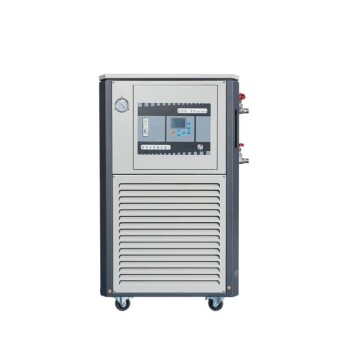
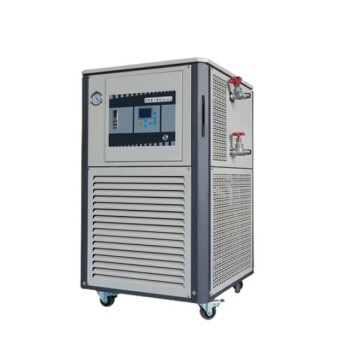
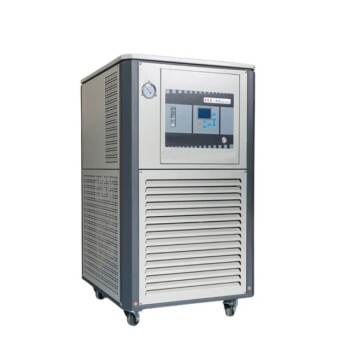
- High Temperature Constant Temperature Heating Circulator Water Bath Chiller Circulator for Reaction Bath
- Automatic High Temperature Heated Hydraulic Press Machine with Heated Plates for Lab
- Manual High Temperature Heated Hydraulic Press Machine with Heated Plates for Lab
- 5L Heating Chilling Circulator Cooling Water Bath Circulator for High and Low Temperature Constant Temperature Reaction
- 10L Heating Chilling Circulator Cooling Water Bath Circulator for High and Low Temperature Constant Temperature Reaction
People Also Ask
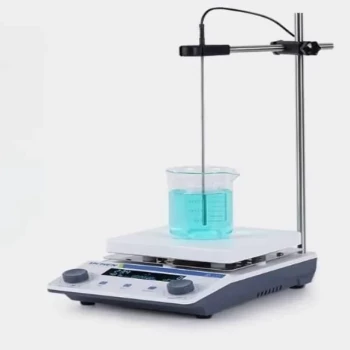
- What is the necessity of a circulating water bath in chlorate production? Optimize Yield & Purity with Precision
- How does a constant temperature circulator support the leaching reaction of gold scrap? Optimize Gold Recovery Results
- How do constant temperature circulators impact weight-loss immersion tests? Ensure Precision in Corrosion Analysis
- Why is a constant temperature water bath used for precursor storage in CVD? Achieve Stable Nanocrystalline SiC Deposition
- Why is a high-precision constant temperature water bath necessary for anaerobic digestion? Ensure Success at 37±0.02°C