High-precision heating is the fundamental control mechanism used to biologically filter anaerobic sludge for bio-hydrogen research. Systems like thermostatic water baths or heating mantles are required to maintain a strict temperature range of 70–120 °C, ensuring the precise thermal differentiation between competitive and productive microorganisms.
The core objective of heat-shock treatment is "selective enrichment." By exploiting differences in thermal tolerance, precise heating eliminates hydrogen-consuming methanogens while preserving spore-forming, hydrogen-producing bacteria.
The Mechanics of Selective Enrichment
Exploiting Biological Differences
The anaerobic sludge used as inoculum contains a complex mixture of microorganisms. These organisms possess vastly different levels of heat resistance.
A high-precision system allows researchers to target these specific biological thresholds. The goal is to separate organisms based on their ability to form protective spores.
The Target Temperature Window
Research dictates a specific thermal window of 70–120 °C.
Maintaining this range is critical because it represents the "kill zone" for unwanted bacteria while remaining safe for the target species. A system lacking precision cannot reliably hold this temperature, compromising the experiment.
Equipment Requirements
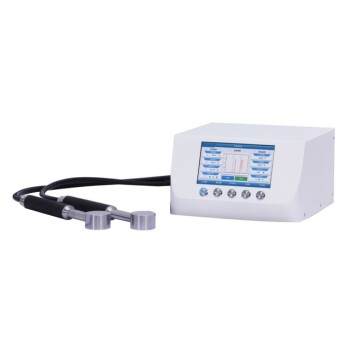
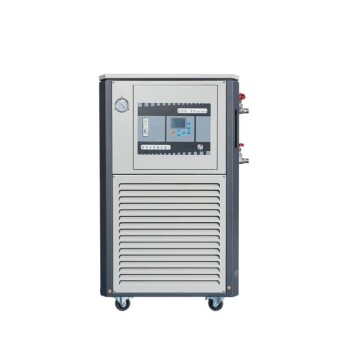
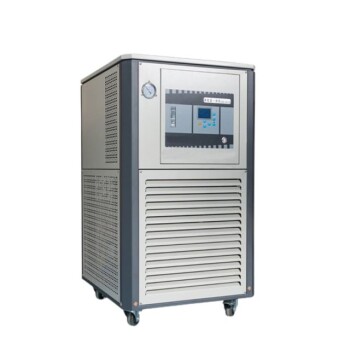
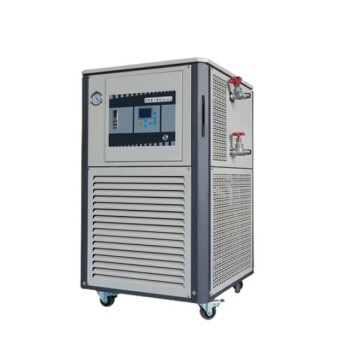
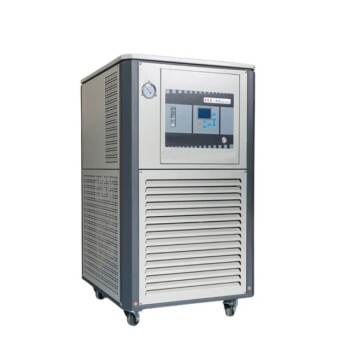
To achieve this stability, researchers utilize thermostatic water baths or heating mantles.
These devices provide the consistent, uniform heat transfer necessary to treat the entire volume of inocula evenly, preventing cold spots where unwanted bacteria might survive.
Optimizing the Microbial Community
Eliminating the Competition
The primary adversaries in bio-hydrogen production are hydrogen-consuming microorganisms, specifically methanogens.
Methanogens are generally non-spore-forming. When subjected to the precise heat-shock treatment, they are effectively neutralized, preventing them from consuming the hydrogen gas generated during the process.
Preserving the Producers
The target microorganisms are hydrogen-producing bacteria, most notably Clostridium species.
These bacteria exist in a spore state, which provides them with exceptional thermal resilience. The heat treatment triggers these spores, effectively "enriching" the inoculum with the specific bacteria needed for hydrogen production.
Understanding the Trade-offs
The Risk of Thermal Fluctuation
If a heating system lacks precision and the temperature dips below 70 °C, the treatment may fail to kill the methanogens.
This results in a mixed culture where hydrogen production is actively cannibalized by surviving consumers, leading to low yields and inaccurate data.
The Danger of Overheating
Conversely, if a system spikes above the 120 °C upper limit, the heat shock becomes a sterilization event.
Excessive heat can penetrate the protective spores of the Clostridium species. This destroys the hydrogen producers alongside the methanogens, rendering the inoculum inert.
Ensuring Process Stability
To maximize bio-hydrogen yields, your heating strategy must be calibrated to the specific biological limits of your inoculum.
- If your primary focus is Purity: Target the higher end of the range (near 100-120 °C) to ensure the complete eradication of non-spore formers, ensuring only robust spores survive.
- If your primary focus is Viability: Operate within the lower to mid-range (70-90 °C) to minimize thermal stress on the Clostridium spores while still suppressing methanogens.
Precision heating is not just a preparation step; it is the determining factor in the biological composition and ultimate success of your hydrogen production.
Summary Table:
| Feature | Target Temperature Range (70-120°C) | Impact on Microbial Community |
|---|---|---|
| Hydrogen Producers | High Thermal Tolerance (Spore-forming) | Survived & Activated (e.g., Clostridium) |
| Methanogens | Low Thermal Tolerance (Non-spore-forming) | Effectively Neutralized/Eliminated |
| Underheating (<70°C) | Insufficient Thermal Stress | Competition survives, consuming hydrogen |
| Overheating (>120°C) | Total Sterilization | Destruction of spores; inactive inoculum |
Elevate Your Bio-Hydrogen Research with KINTEK Precision
Achieving the perfect microbial balance in anaerobic sludge requires uncompromising temperature control. KINTEK specializes in high-performance laboratory equipment designed for the rigorous demands of renewable energy research. Whether you need high-precision thermostatic water baths, heating mantles, or advanced high-temperature reactors and autoclaves, we provide the tools to ensure your selective enrichment is successful every time.
From muffle furnaces for ash analysis to crushing and milling systems for feedstock preparation, KINTEK supports your entire workflow with industry-leading reliability. Don't let thermal fluctuations compromise your H2 yields.
Contact us today to optimize your lab's thermal processes!
References
- Djangbadjoa Gbiete, Michael Nelles. Insights into Biohydrogen Production Through Dark Fermentation of Food Waste: Substrate Properties, Inocula, and Pretreatment Strategies. DOI: 10.3390/en17246350
This article is also based on technical information from Kintek Solution Knowledge Base .
Related Products
- Multi Heating Zones CVD Tube Furnace Machine Chemical Vapor Deposition Chamber System Equipment
- High Temperature Constant Temperature Heating Circulator Water Bath Chiller Circulator for Reaction Bath
- Infrared Heating Quantitative Flat Plate Press Mold
- 10L Heating Chilling Circulator Cooling Water Bath Circulator for High and Low Temperature Constant Temperature Reaction
- Laboratory Rapid Thermal Processing (RTP) Quartz Tube Furnace
People Also Ask
- What are the advantages of a multi-zone tube furnace for Sb2S3? Unlock Superior Semiconductor Thin Film Purity
- What are the advantages of using a Multi-zone Tube Furnace? Enhanced Thermal Uniformity for Diffusion Research
- What is a CVD tube furnace? A Complete Guide to Thin-Film Deposition
- What are the technical advantages of using a CVD tube furnace? Optimize Silicon-Carbon Battery Anodes
- What is the function of a high-temperature CVD tube furnace in 3D graphene foam prep? Master 3D Nanomaterial Growth