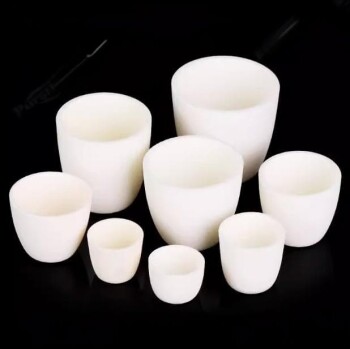
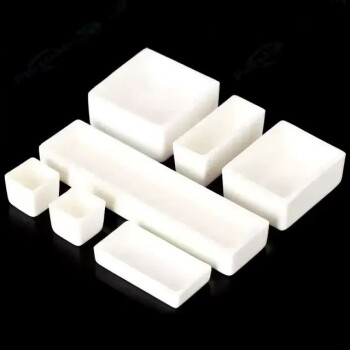
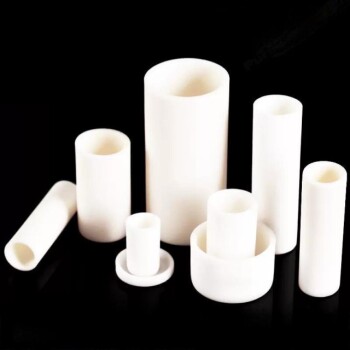
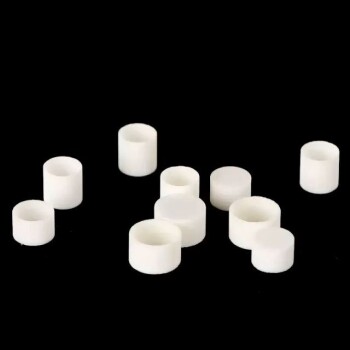
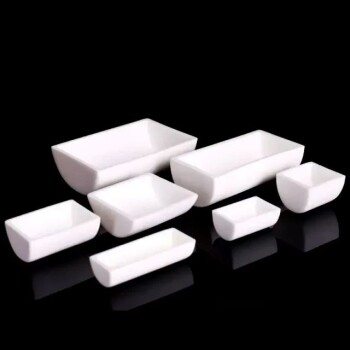
High-purity alumina is selected primarily for its exceptional chemical stability and resistance to erosion against strong alkaline melts like sodium hydroxide (NaOH). At an operating temperature of 600°C, an alumina crucible (typically 99.5% purity) acts as a neutral barrier, preventing the vessel itself from reacting with the molten salt and introducing contaminants into the experiment.
The Core Insight In corrosion testing, the container must be more stable than the variables being tested. High-purity alumina is chosen not just to hold the liquid, but to ensure zero contamination of the electrolyte, guaranteeing that any chemical changes observed are from the test subject (such as nickel alloys), not the crucible itself.
The Critical Role of Chemical Inertness
Resisting Alkaline Erosion
Molten sodium hydroxide is an extremely aggressive medium that rapidly dissolves many standard laboratory materials, such as silicate glass or quartz.
The Importance of High Purity
High-purity alumina (99.5%) provides a specific resistance to this alkaline attack.
By withstanding the corrosive nature of the melt, the crucible maintains its structural integrity throughout the duration of the immersion experiment.
Preventing Leaching
The primary goal of these experiments is often to analyze corrosion products.
If the crucible were to erode, it would leach impurity elements into the electrolyte. Alumina’s inert nature prevents this leaching, ensuring the molten bath remains chemically pure.
Thermal Performance at 600°C
Operating well Within Limits
While 600°C is a significant temperature for chemical reactions, it is well within the thermal limits of high-purity alumina.
Supplementary data indicates alumina can withstand temperatures far exceeding this (up to 1150°C in some applications), making 600°C a safe operating range regarding structural failure.
Stability Under Load
At these temperatures, the crucible must retain its mechanical strength while holding the dense molten salt.
Alumina offers high refractoriness, meaning it will not soften or deform under the thermal load of the 600°C bath.
Ensuring Experimental Accuracy
Isolating the Variable
In experiments involving nickel alloys, the accuracy of the corrosion product analysis is paramount.
Any foreign ions introduced by a degrading crucible would compromise the data, making it impossible to distinguish between the alloy's corrosion and the crucible's degradation.
The Foundation of the Cell
The crucible serves as the structural foundation of the electrolytic cell.
By remaining inert, it ensures that the chemical foundation of the experiment remains constant, allowing for reproducible and valid scientific results.
Understanding the Trade-offs
Physical Fragility
While chemically robust, alumina is a ceramic and inherently brittle.
It lacks the impact resistance of metals, meaning it requires careful handling during setup and cleaning to avoid chipping or catastrophic cracking.
Thermal Shock Susceptibility
High-purity alumina generally has poor thermal shock resistance compared to metals.
Rapid heating or cooling can cause the crucible to crack. Therefore, temperature ramp-rates must be controlled carefully when bringing the system up to or down from 600°C.
Making the Right Choice for Your Experiment
To ensure the success of your molten salt immersion test, consider your specific analytical goals.
- If your primary focus is elemental analysis: Select 99.5% purity alumina to prevent background noise from vessel leaching in your spectroscopy or mass spectrometry data.
- If your primary focus is equipment longevity: Implement slow heating and cooling cycles to mitigate thermal shock and prevent the crucible from cracking before the experiment concludes.
By selecting high-purity alumina, you prioritize the chemical integrity of your data over the mechanical ruggedness of the container.
Summary Table:
| Feature | High-Purity Alumina (99.5%) | Advantage in NaOH Experiments |
|---|---|---|
| Chemical Stability | Exceptional Resistance | Prevents alkaline erosion and vessel leaching |
| Thermal Limit | Up to 1150°C+ | Safely exceeds 600°C operating temperature |
| Mechanical Strength | High Refractoriness | Resists deformation under dense molten salt load |
| Purity Level | 99.5% Alumina | Guarantees zero contamination for elemental analysis |
| Data Integrity | Inert Barrier | Isolates test variables for reproducible results |
Elevate Your Laboratory Precision with KINTEK
Don't compromise your experimental accuracy with inferior containers. KINTEK specializes in high-performance laboratory equipment and consumables designed for the most demanding environments. Whether you need high-purity alumina crucibles, high-temperature furnaces, or specialized crushing and milling systems, our products ensure the chemical integrity of your research.
From high-temperature high-pressure reactors to PTFE and ceramic consumables, KINTEK provides the foundation for reliable scientific results across nickel alloy corrosion testing and battery research.
Ready to optimize your molten salt experiments? Contact us today for a custom quote or expert consultation!
References
- Birgitte Stoffersen, John Hald. High temperature corrosion and oxide scale formation of nickel in molten NaOH at various basicity levels. DOI: 10.1016/j.heliyon.2024.e31995
This article is also based on technical information from Kintek Solution Knowledge Base .
Related Products
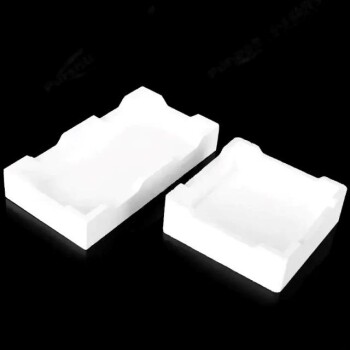
- Arc-Shaped Alumina Ceramic Crucible High Temperature Resistant for Engineering Advanced Fine Ceramics
- Engineering Advanced Fine Alumina Al2O3 Ceramic Crucible for Laboratory Muffle Furnace
- Engineering Advanced Fine Ceramics Alumina Al2O3 Crucible With Lid Cylindrical Laboratory Crucible
- Engineering Advanced Fine Ceramics Alumina Crucibles (Al2O3) for Thermal Analysis TGA DTA
- Alumina Al2O3 Ceramic Crucible Semicircle Boat with Lid for Engineering Advanced Fine Ceramics
People Also Ask
- Why Use Alumina Crucibles & Powder Burial for NaSICON? Ensure Phase Purity and Prevent Elemental Volatilization
- What is the primary purpose of using alumina crucibles for LLTO ceramics? Optimize Your High-Temperature Sintering
- Why are alumina crucibles and mother powder essential for LATP sintering? Optimize Your Solid Electrolyte Performance
- Why are high-purity alumina crucibles used for liquid lead corrosion experiments? Ensure Data Accuracy at 550°C
- Primary considerations for choosing alumina crucibles and quartz tubes in indium intercalation: Ensure Material Purity