Knowledge Why is a high-strength iron crucible required for the activation of carbonized rice husk at 1123 K? Essential Materials
Author avatar

Tech Team · Kintek Solution

Updated 1 day ago

Why is a high-strength iron crucible required for the activation of carbonized rice husk at 1123 K? Essential Materials


A high-strength iron crucible is strictly required because standard vessels cannot survive the aggressive environment created during the activation of carbonized rice husk. Specifically, iron provides the necessary thermal resistance and structural integrity to withstand the corrosive reaction between carbon and Potassium Hydroxide (KOH) at 1123 K.

The activation process involves a volatile combination of extreme heat, chemical corrosion, and physical pressure. High-strength iron is utilized not just for heat resistance, but to act as a stable, sealed containment vessel that prevents structural failure during the critical reaction phase.

The Engineering Challenges of Activation

Withstanding Extreme Thermal Stress

The activation process occurs at 1123 K, a temperature that compromises the structural integrity of many standard laboratory materials. At this thermal extreme, materials can soften, deform, or lose their tensile strength.

An iron crucible is selected because it maintains its rigidity and form even under this intense heat load. This thermal stability ensures the vessel does not collapse or warp during the extended heating cycle.

Resisting Chemical Corrosion

The reaction involves Potassium Hydroxide (KOH), a highly caustic chemical agent used to activate the carbon. At elevated temperatures, KOH becomes extremely aggressive and corrosive to containment vessels.

Iron provides a robust barrier against this chemical attack. It resists the corrosive effects of the hot KOH-carbon mixture, preventing the vessel from degrading or being eaten away during the synthesis.

Managing Physical Pressure

The reactants—carbonized rice husk and KOH—are often compacted within the crucible. As the reaction proceeds at high temperatures, it generates significant physical stress and internal pressure.

A high-strength iron crucible is essential to contain these forces without rupturing. It acts as a sealed and controlled physical space, ensuring the reactants remain confined so the activation process can proceed effectively.

Understanding the Risks of Material Substitution

The Danger of Structural Failure

The primary trade-off in this process is the inability to use lighter or more common laboratory ceramics, which may crack under the specific combination of pressure and alkali corrosion.

If a crucible lacks the specific high-strength properties of iron, the physical stress generated by the compacted reactants can lead to catastrophic vessel failure. This risks leaking hot, corrosive reactants into the furnace, damaging equipment and ruining the sample.

Ensuring Process Integrity

To ensure the successful activation of carbonized rice husk, you must match the vessel material to the specific stresses of the reaction environment.

  • If your primary focus is Safety: Prioritize the structural integrity of the iron crucible to prevent leaks or ruptures caused by the corrosive, high-pressure environment.
  • If your primary focus is Reaction Efficiency: Ensure the crucible is capable of creating a sealed environment, as this controlled space is vital for the effective interaction between the carbon and KOH.

Using the correct iron vessel is the only way to guarantee the containment required for this high-energy chemical synthesis.

Summary Table:

Factor Requirement at 1123 K Why Iron is Selected
Temperature 1123 K (Extreme Heat) Maintains structural rigidity and prevents warping
Chemical Environment Potassium Hydroxide (KOH) Resists aggressive caustic corrosion at high temps
Physical Stress Internal pressure & compaction High tensile strength prevents vessel rupture
Process Integrity Sealed containment Ensures controlled environment for carbon activation

Elevate Your Material Research with KINTEK

Precise carbon activation requires equipment that can withstand the harshest chemical and thermal environments. KINTEK specializes in high-performance laboratory solutions, providing everything from high-temperature furnaces (muffle, vacuum, and atmosphere) to durable ceramic and iron crucibles designed for extreme synthesis conditions.

Whether you are performing high-pressure activations or complex battery research, our comprehensive range—including crushing systems, hydraulic presses, and high-pressure reactors—is engineered to ensure safety and process integrity.

Ready to optimize your lab’s performance? Contact our experts today to find the perfect equipment and consumables for your specific research needs!

Related Products

People Also Ask

Related Products

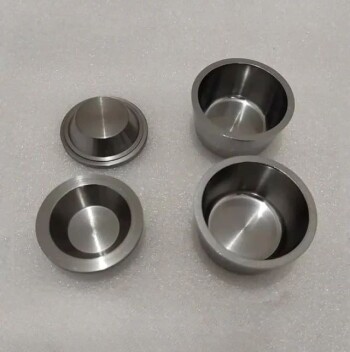
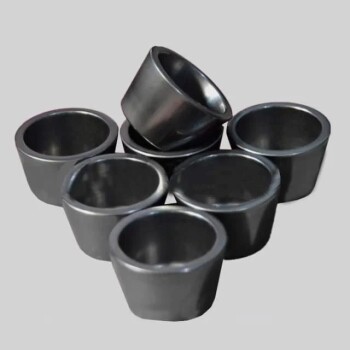
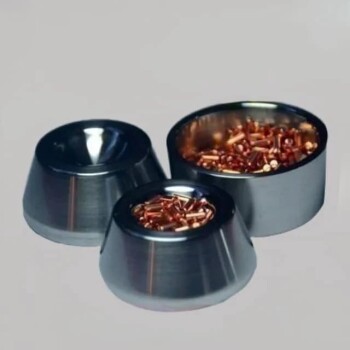
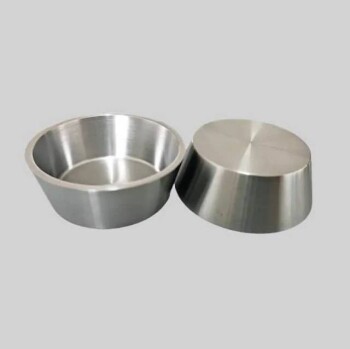
Electron Beam Evaporation Coating Tungsten Crucible and Molybdenum Crucible for High Temperature Applications

Electron Beam Evaporation Coating Tungsten Crucible and Molybdenum Crucible for High Temperature Applications

Tungsten and molybdenum crucibles are commonly used in electron beam evaporation processes due to their excellent thermal and mechanical properties.

Alumina Al2O3 Ceramic Crucible Semicircle Boat with Lid for Engineering Advanced Fine Ceramics

Alumina Al2O3 Ceramic Crucible Semicircle Boat with Lid for Engineering Advanced Fine Ceramics

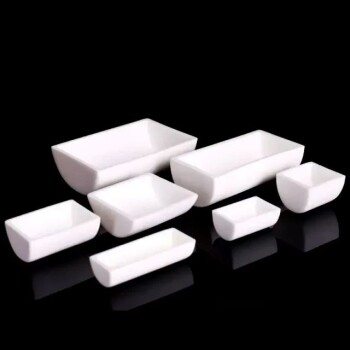
Crucibles are containers widely used for melting and processing various materials, and semicircular boat-shaped crucibles are suitable for special smelting and processing requirements. Their types and uses vary by material and shape.

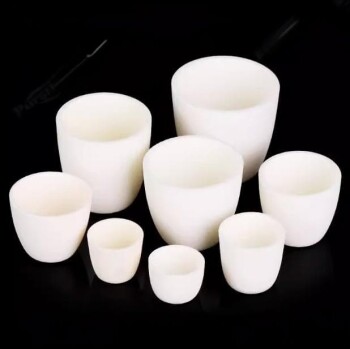
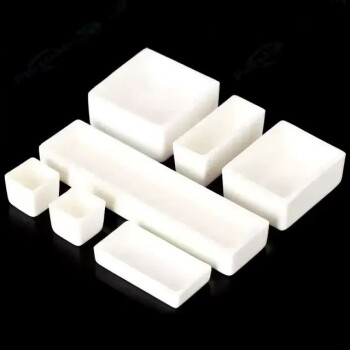
Arc-Shaped Alumina Ceramic Crucible High Temperature Resistant for Engineering Advanced Fine Ceramics

Arc-Shaped Alumina Ceramic Crucible High Temperature Resistant for Engineering Advanced Fine Ceramics

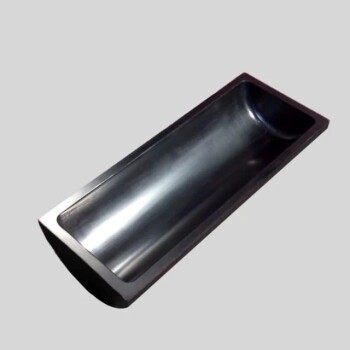
In the journey of scientific exploration and industrial production, every detail is crucial. Our arc-shaped alumina ceramic crucibles, with their excellent high temperature resistance and stable chemical properties, have become a powerful assistant in laboratories and industrial fields. They are made of high-purity alumina materials and manufactured through precision processes to ensure excellent performance in extreme environments.

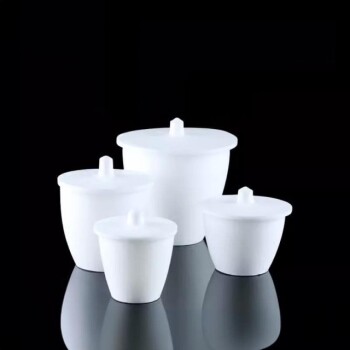
Custom Machined and Molded PTFE Teflon Parts Manufacturer with PTFE Crucible and Lid

Custom Machined and Molded PTFE Teflon Parts Manufacturer with PTFE Crucible and Lid

PTFE crucibles, made from pure Teflon, offer chemical inertness and resistance from -196°C to 280°C, ensuring compatibility with a wide range of temperatures and chemicals. These crucibles feature machine-finished surfaces for easy cleaning and prevention of contamination, making them ideal for precise laboratory applications.

Engineering Advanced Fine Ceramics Alumina Crucibles (Al2O3) for Thermal Analysis TGA DTA

Engineering Advanced Fine Ceramics Alumina Crucibles (Al2O3) for Thermal Analysis TGA DTA

TGA/DTA thermal analysis vessels are made of aluminum oxide (corundum or aluminum oxide). It can withstand high temperature and is suitable for analyzing materials that require high temperature testing.

Engineering Advanced Fine Ceramics Alumina Al2O3 Crucible With Lid Cylindrical Laboratory Crucible

Engineering Advanced Fine Ceramics Alumina Al2O3 Crucible With Lid Cylindrical Laboratory Crucible

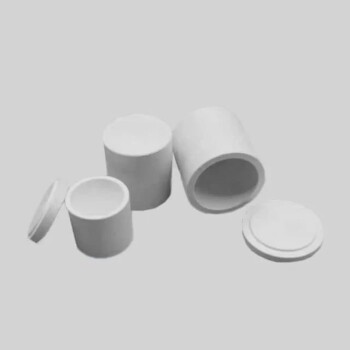
Cylindrical Crucibles Cylindrical crucibles are one of the most common crucible shapes, suitable for melting and processing a wide variety of materials, and are easy to handle and clean.

Electron Beam Evaporation Coating Gold Plating Tungsten Molybdenum Crucible for Evaporation

Electron Beam Evaporation Coating Gold Plating Tungsten Molybdenum Crucible for Evaporation

These crucibles act as containers for the gold material evaporated by the electron evaporation beam while precisely directing the electron beam for precise deposition.

Electron Beam Evaporation Coating Oxygen-Free Copper Crucible and Evaporation Boat

Electron Beam Evaporation Coating Oxygen-Free Copper Crucible and Evaporation Boat

Electron Beam Evaporation Coating Oxygen-Free Copper Crucible enables precise co-deposition of various materials. Its controlled temperature and water-cooled design ensure pure and efficient thin film deposition.

Evaporation Crucible for Organic Matter

Evaporation Crucible for Organic Matter

An evaporation crucible for organic matter, referred to as an evaporation crucible, is a container for evaporating organic solvents in a laboratory environment.

High Temperature Muffle Oven Furnace for Laboratory Debinding and Pre Sintering

High Temperature Muffle Oven Furnace for Laboratory Debinding and Pre Sintering

KT-MD High temperature debinding and pre-sintering furnace for ceramic materials with various molding processes. Ideal for electronic components such as MLCC and NFC.

Engineering Advanced Fine Alumina Al2O3 Ceramic Crucible for Laboratory Muffle Furnace

Engineering Advanced Fine Alumina Al2O3 Ceramic Crucible for Laboratory Muffle Furnace

Alumina ceramic crucibles are used in some materials and metal melting tools, and flat-bottomed crucibles are suitable for melting and processing larger batches of materials with better stability and uniformity.

Electron Beam Evaporation Coating Conductive Boron Nitride Crucible BN Crucible

Electron Beam Evaporation Coating Conductive Boron Nitride Crucible BN Crucible

High-purity and smooth conductive boron nitride crucible for electron beam evaporation coating, with high temperature and thermal cycling performance.

Molybdenum Disilicide (MoSi2) Thermal Elements Electric Furnace Heating Element

Molybdenum Disilicide (MoSi2) Thermal Elements Electric Furnace Heating Element

Discover the power of Molybdenum Disilicide (MoSi2) Heating Element for high-temperature resistance. Unique oxidation resistance with stable resistance value. Learn more about its benefits now!

Boron Nitride (BN) Crucible for Phosphorous Powder Sintered

Boron Nitride (BN) Crucible for Phosphorous Powder Sintered

Phosphorus powder sintered boron nitride (BN) crucible has a smooth surface, dense, pollution-free and long service life.

Warm Isostatic Press WIP Workstation 300Mpa for High Pressure Applications

Warm Isostatic Press WIP Workstation 300Mpa for High Pressure Applications

Discover Warm Isostatic Pressing (WIP) - A cutting-edge technology that enables uniform pressure to shape and press powdered products at a precise temperature. Ideal for complex parts and components in manufacturing.

Shaking Incubators for Diverse Laboratory Applications

Shaking Incubators for Diverse Laboratory Applications

Precision lab shaking incubators for cell culture & research. Quiet, reliable, customizable. Get expert advice today!

Glassy Carbon Electrochemical Electrode

Glassy Carbon Electrochemical Electrode

Upgrade your experiments with our Glassy Carbon Electrode. Safe, durable, and customizable to fit your specific needs. Discover our complete models today.

Metal Disc Electrode Electrochemical Electrode

Metal Disc Electrode Electrochemical Electrode

Elevate your experiments with our Metal Disk Electrode. High-quality, acid and alkali resistant, and customizable to fit your specific needs. Discover our complete models today.

5L Heating Chilling Circulator Cooling Water Bath Circulator for High and Low Temperature Constant Temperature Reaction

5L Heating Chilling Circulator Cooling Water Bath Circulator for High and Low Temperature Constant Temperature Reaction

KinTek KCBH 5L Heating Chilling Circulator - Ideal for labs and industrial conditions with multi-functional design and reliable performance.

Cylindrical Press Mold with Scale for Lab

Cylindrical Press Mold with Scale for Lab

Discover precision with our Cylindrical Press Mold. Ideal for high-pressure applications, it molds various shapes and sizes, ensuring stability and uniformity. Perfect for lab use.


Leave Your Message