Knowledge Why is a PTFE reaction vessel necessary for antiperovskite glass electrolytes? Ensure Purity & Prevent Metal Corrosion
Author avatar

Tech Team · Kintek Solution

Updated 1 day ago

Why is a PTFE reaction vessel necessary for antiperovskite glass electrolytes? Ensure Purity & Prevent Metal Corrosion


The primary necessity for using a Polytetrafluoroethylene (PTFE) vessel lies in maintaining absolute chemical purity. When preparing antiperovskite glass electrolytes, the synthesis process often involves precursors that are highly aggressive toward standard laboratory metals. Unlike metal reactors, which are susceptible to corrosion from these mixtures, PTFE provides a chemically inert barrier that prevents the reaction vessel itself from contaminating your electrolyte.

Core Takeaway In the synthesis of antiperovskite electrolytes, the presence of corrosive halides and hydroxides will attack metal reactor walls. A PTFE lining is mandatory to prevent this corrosion, thereby eliminating metal ion impurities that would otherwise compromise the ionic conductivity of the final material.

The Chemistry of Contamination

The Corrosive Nature of Precursors

The synthesis of antiperovskite glass electrolytes, such as Li3ClO-based systems, relies on specific chemical precursors.

These mixtures frequently contain halides and hydroxides. These compounds are chemically aggressive, particularly during the wet synthesis or low-temperature heat treatment phases.

The Failure of Metal Reactors

When these corrosive precursors come into contact with a standard metal reactor, a chemical reaction occurs at the surface.

This reaction degrades the vessel wall, effectively corroding the metal. As the metal corrodes, it releases metal ions directly into your reaction mixture.

Impact on the Electrolyte

The introduction of these metal ions is not merely a cosmetic issue; it is a functional failure.

Metal impurities act as contaminants within the lattice or glass structure. They disrupt the ionic conduction environment, significantly reducing the performance of the resulting electrolyte.

Why PTFE is the Standard Solution

Superior Chemical Inertness

PTFE (commonly known as Teflon) possesses exceptional chemical resistance.

It does not react with the corrosive halides or hydroxides used in this synthesis. By lining the vessel with PTFE, you create a neutral boundary that isolates the reactants from the structural shell of the reactor.

Ensuring Purity

The goal of using PTFE is to maintain the integrity of the "ionic conduction environment."

By preventing the leaching of metal impurities, PTFE ensures that the final product remains pure. This allows the antiperovskite glass to achieve its theoretical potential for ionic conductivity without interference from foreign metal species.

Understanding the Trade-offs

Temperature Limitations

While PTFE is superior chemically, it has thermal limitations compared to metal.

The primary reference specifically notes the use of PTFE for "wet synthesis or low-temperature heat treatment." PTFE is not suitable for high-temperature sintering or melting processes, as the material will soften and degrade at elevated temperatures.

Making the Right Choice for Your Goal

To ensure the success of your antiperovskite electrolyte synthesis, apply the following guidelines:

  • If your primary focus is Wet Synthesis: Utilize a PTFE-lined vessel to handle corrosive hydroxides and halides without risk of leaching.
  • If your primary focus is High Purity: Avoid unlined metal reactors entirely to prevent the introduction of conductive metal ion impurities.

By selecting the correct vessel material, you safeguard the chemical integrity that is vital for high-performance solid electrolytes.

Summary Table:

Feature PTFE-Lined Vessels Standard Metal Reactors
Chemical Inertness Excellent (Non-reactive) Poor (Reacts with halides/hydroxides)
Contamination Risk Zero metal leaching High (Leaches metal ions)
Corrosion Resistance Highly resistant to acids/bases Susceptible to corrosion
Primary Application Wet synthesis & Low-temp treatment High-temperature sintering
Conductivity Impact Maintains high ionic conductivity Compromised by impurities

Elevate Your Solid-State Battery Research with KINTEK

Maintaining absolute purity is critical when synthesizing antiperovskite glass electrolytes. KINTEK specializes in providing high-performance laboratory equipment, including PTFE products and reaction vessels, designed to withstand aggressive chemical environments without compromising your material's ionic conductivity.

Whether you are conducting wet synthesis or advanced materials research, our comprehensive range—from high-pressure reactors and autoclaves to battery research tools—ensures your lab achieves precise, repeatable results.

Ready to safeguard your electrolyte purity? Contact KINTEK today to discover how our high-quality consumables and advanced laboratory systems can optimize your research outcomes!

Related Products

People Also Ask

Related Products

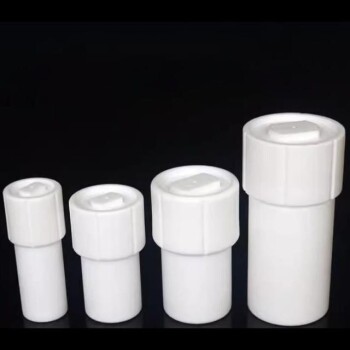
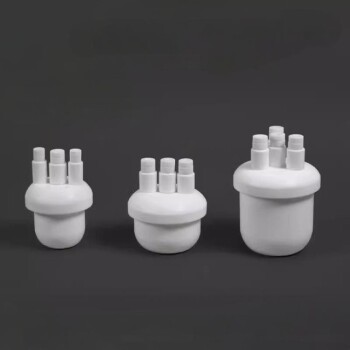
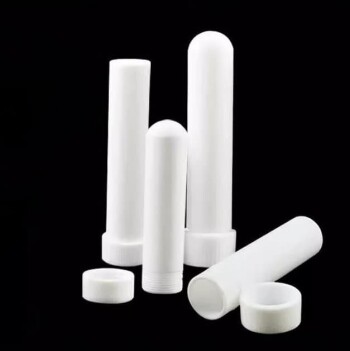
Custom PTFE Teflon Parts Manufacturer for Hydrothermal Synthesis Reactor Polytetrafluoroethylene Carbon Paper and Carbon Cloth Nano-growth

Custom PTFE Teflon Parts Manufacturer for Hydrothermal Synthesis Reactor Polytetrafluoroethylene Carbon Paper and Carbon Cloth Nano-growth

Acid and alkali resistant polytetrafluoroethylene experimental fixtures meet different requirements. The material is made of brand new polytetrafluoroethylene material, which has excellent chemical stability, corrosion resistance, airtightness, high lubricity and non-stickiness, electrical corrosion and good anti-aging ability, and can work for a long time at temperatures from -180℃ to +250℃.

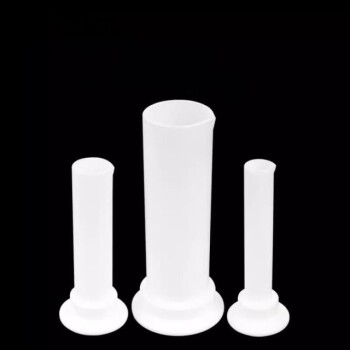
Custom PTFE Teflon Parts Manufacturer for PTFE Measuring Cylinder 10/50/100ml

Custom PTFE Teflon Parts Manufacturer for PTFE Measuring Cylinder 10/50/100ml

PTFE measuring cylinder are a rugged alternative to traditional glass cylinders. They are chemically inert over a wide temperature range (up to 260º C), have excellent corrosion resistance and maintain a low coefficient of friction, ensuring ease of use and cleaning.

Customizable Laboratory High Temperature High Pressure Reactors for Diverse Scientific Applications

Customizable Laboratory High Temperature High Pressure Reactors for Diverse Scientific Applications

High-pressure lab reactor for precise hydrothermal synthesis. Durable SU304L/316L, PTFE liner, PID control. Customizable volume & materials. Contact us!

Custom PTFE Teflon Parts Manufacturer for PTFE Mesh F4 Sieve

Custom PTFE Teflon Parts Manufacturer for PTFE Mesh F4 Sieve

PTFE mesh sieve is a specialized test sieve designed for particle analysis in various industries, featuring a non-metallic mesh woven from PTFE filament. This synthetic mesh is ideal for applications where metal contamination is a concern . PTFE sieves are crucial for maintaining the integrity of samples in sensitive environments, ensuring accurate and reliable results in particle size distribution analysis.

High Pressure Laboratory Autoclave Reactor for Hydrothermal Synthesis

High Pressure Laboratory Autoclave Reactor for Hydrothermal Synthesis

Discover the applications of Hydrothermal Synthesis Reactor - a small, corrosion-resistant reactor for chemical labs. Achieve rapid digestion of insoluble substances in a safe and reliable way. Learn more now.

Mini SS High Pressure Autoclave Reactor for Laboratory Use

Mini SS High Pressure Autoclave Reactor for Laboratory Use

Mini SS High Pressure Reactor - Ideal for medicine, chemical, and scientific research industries. Programmed heating temp and stirring speed, up to 22Mpa pressure.

Visual High-Pressure Reactor for In-Situ Observation

Visual High-Pressure Reactor for In-Situ Observation

The visual high-pressure reactor uses transparent sapphire or quartz glass, maintaining high strength and optical clarity under extreme conditions for real-time reaction observation.

Platinum Auxiliary Electrode for Laboratory Use

Platinum Auxiliary Electrode for Laboratory Use

Optimize your electrochemical experiments with our Platinum Auxiliary Electrode. Our high-quality, customizable models are safe and durable. Upgrade today!

Platinum Sheet Electrode for Laboratory and Industrial Applications

Platinum Sheet Electrode for Laboratory and Industrial Applications

Elevate your experiments with our Platinum Sheet Electrode. Crafted with quality materials, our safe and durable models can be tailored to fit your needs.

Laboratory High Pressure Horizontal Autoclave Steam Sterilizer for Lab Use

Laboratory High Pressure Horizontal Autoclave Steam Sterilizer for Lab Use

The horizontal autoclave steam sterilizer adopts the gravity displacement method to remove the cold air in the inner chamber, so that the inner steam and cold air content is less, and the sterilization is more reliable.

915MHz MPCVD Diamond Machine Microwave Plasma Chemical Vapor Deposition System Reactor

915MHz MPCVD Diamond Machine Microwave Plasma Chemical Vapor Deposition System Reactor

915MHz MPCVD Diamond Machine and its multi-crystal effective growth, the maximum area can reach 8 inches, the maximum effective growth area of single crystal can reach 5 inches. This equipment is mainly used for the production of large-size polycrystalline diamond films, the growth of long single crystal diamonds, the low-temperature growth of high-quality graphene, and other materials that require energy provided by microwave plasma for growth.

Optical Water Bath Electrolytic Electrochemical Cell

Optical Water Bath Electrolytic Electrochemical Cell

Upgrade your electrolytic experiments with our Optical Water Bath. With controllable temperature and excellent corrosion resistance, it's customizable for your specific needs. Discover our complete specifications today.

Microwave Plasma Chemical Vapor Deposition MPCVD Machine System Reactor for Lab and Diamond Growth

Microwave Plasma Chemical Vapor Deposition MPCVD Machine System Reactor for Lab and Diamond Growth

Get high-quality diamond films with our Bell-jar Resonator MPCVD machine designed for lab and diamond growth. Discover how Microwave Plasma Chemical Vapor Deposition works for growing diamonds using carbon gas and plasma.

Desktop Fast Laboratory Autoclave Sterilizer 35L 50L 90L for Lab Use

Desktop Fast Laboratory Autoclave Sterilizer 35L 50L 90L for Lab Use

The desktop fast steam sterilizer is a compact and reliable device used for rapid sterilization of medical, pharmaceutical, and research items. It efficiently sterilizes surgical instruments, glassware, medicines, and resistant materials, making it suitable for various applications.

Split Chamber CVD Tube Furnace with Vacuum Station Chemical Vapor Deposition System Equipment Machine

Split Chamber CVD Tube Furnace with Vacuum Station Chemical Vapor Deposition System Equipment Machine

Efficient split chamber CVD furnace with vacuum station for intuitive sample checking and quick cooling. Up to 1200℃ max temperature with accurate MFC mass flowmeter control.

Double Layer Five-Port Water Bath Electrolytic Electrochemical Cell

Double Layer Five-Port Water Bath Electrolytic Electrochemical Cell

Experience optimal performance with our Water Bath Electrolytic Cell. Our double-layer, five-port design boasts corrosion resistance and longevity. Customizable to fit your specific needs. View specs now.

Anti-Cracking Press Mold for Lab Use

Anti-Cracking Press Mold for Lab Use

The anti-cracking press mold is a specialized equipment designed for molding various shapes and sizes of film using high pressure and electric heating.

Glassy Carbon Sheet RVC for Electrochemical Experiments

Glassy Carbon Sheet RVC for Electrochemical Experiments

Discover our Glassy Carbon Sheet - RVC. Perfect for your experiments, this high-quality material will elevate your research to the next level.

Thin-Layer Spectral Electrolysis Electrochemical Cell

Thin-Layer Spectral Electrolysis Electrochemical Cell

Discover the benefits of our thin-layer spectral electrolysis cell. Corrosion-resistant, complete specifications, and customizable for your needs.

Multifunctional Electrolytic Electrochemical Cell Water Bath Single Layer Double Layer

Multifunctional Electrolytic Electrochemical Cell Water Bath Single Layer Double Layer

Discover our high-quality Multifunctional Electrolytic Cell Water Baths. Choose from single or double-layer options with superior corrosion resistance. Available in 30ml to 1000ml sizes.


Leave Your Message