The use of grinding equipment is critical in the alkali fusion method to transform solid sodium hydroxide and potassium hydroxide into fine powders. This mechanical processing increases the contact surface area between the two salts and ensures they are physically homogeneous, which is a prerequisite for efficient melting.
Core Takeaway The primary function of grinding is to facilitate the formation of a low-eutectic-point mixture. By maximizing surface contact between the two alkali components, the system can melt uniformly at significantly lower temperatures, improving the energy efficiency and speed of the carbon fiber recovery process.
The Physics of Preparation
Increasing Reaction Surface Area
Raw alkali salts often come in pellets, flakes, or irregular chunks. Using grinding equipment breaks these solids down into fine particles.
This drastically increases the specific surface area of the material. A larger surface area ensures that the sodium hydroxide and potassium hydroxide particles are in intimate contact with one another rather than isolated in large clusters.
Achieving Physical Homogeneity
For the alkali fusion method to work effectively, the mixture must be uniform throughout.
Grinding acts as a high-intensity mixing stage. It ensures the distribution of sodium and potassium salts is physically homogeneous, preventing pockets of pure sodium hydroxide or pure potassium hydroxide from lingering in the batch.
The Thermal Advantage: Eutectic Melting
Facilitating Low-Eutectic Formation
The ultimate goal of this preparation is the rapid formation of a low-eutectic-point mixture.
A eutectic mixture creates a phenomenon where the combined melting point of two substances is lower than the melting point of either substance individually. However, this only occurs efficiently if the particles are fine enough to interact at a molecular level during heating.
Enabling Lower Temperature Processing
Because the grinding process facilitates this eutectic interaction, the alkali solution can melt uniformly at lower temperatures.
This reduces the thermal energy required to initiate the liquid phase. It protects the structural integrity of the recovered carbon fiber, which could otherwise be damaged by the excessive heat needed to melt unmixed, coarse salts.
Understanding the Trade-offs
The Cost of Poor Preparation
If grinding is skipped or performed poorly, the "low-eutectic" benefit is lost.
Without fine powder and homogeneity, the system requires higher temperatures to melt the individual salt components (melting them independently rather than as a mixture). This leads to higher energy consumption and uneven heating profiles.
Process Consistency Risks
Inadequate grinding results in a heterogeneous melt.
Some areas of the reactor may be liquid while others remain solid. This inconsistency can lead to incomplete reactions with the carbon fiber waste, reducing the yield and quality of the recovered material.
Making the Right Choice for Your Goal
To optimize the alkali fusion process for carbon fiber recovery, consider these priorities:
- If your primary focus is Energy Efficiency: Ensure the grinding specification produces the finest possible powder to maximize the eutectic effect and minimize heat input.
- If your primary focus is Process Speed: Prioritize the homogeneity of the mixture during grinding to ensure the entire batch melts rapidly and simultaneously.
Proper mechanical preparation is the lever that activates the chemical advantages of the alkali fusion method.
Summary Table:
| Key Benefit | Impact on Carbon Fiber Recovery |
|---|---|
| Increased Surface Area | Maximizes contact between NaOH and KOH for faster reaction. |
| Physical Homogeneity | Ensures uniform melting and prevents localized overheating. |
| Low-Eutectic Formation | Lowers the required melting temperature, saving energy. |
| Material Integrity | Protects recovered fibers from damage caused by excessive heat. |
| Process Yield | Eliminates incomplete reactions for consistent, high-quality output. |
Optimize Your Carbon Fiber Recovery with KINTEK Precision Solutions
Maximize energy efficiency and material quality in your alkali fusion processes with KINTEK’s high-performance crushing and milling systems. Whether you are processing NaOH, KOH, or complex composites, our equipment ensures the perfect particle size for optimal eutectic melting.
Why partner with KINTEK?
- Comprehensive Laboratory Range: From industrial-grade crushing and milling systems to high-temperature atmosphere furnaces and hydraulic presses.
- Specialized Recovery Tools: We offer advanced reactors, autoclaves, and crucibles specifically designed for harsh chemical environments.
- End-to-End Excellence: Benefit from our expertise in battery research tools, cooling solutions, and high-purity ceramics.
Don't let poor preparation compromise your yields. Contact KINTEK today to find the perfect equipment for your lab and elevate your material processing to the next level.
References
- Takaaki Wajima, K. Yamashita. Recovery of carbon fiber from carbon fiber reinforced plastics using alkali molten hydroxide. DOI: 10.1038/s41598-024-84293-4
This article is also based on technical information from Kintek Solution Knowledge Base .
Related Products
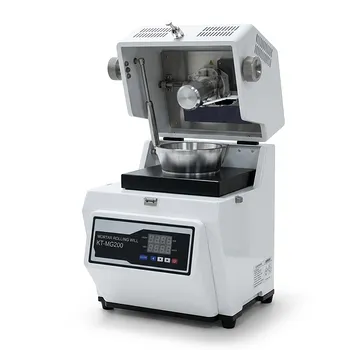
- Laboratory Grinding Mill Mortar Grinder for Sample Preparation
- Laboratory Single Horizontal Jar Mill
- Mini Planetary Ball Mill Machine for Laboratory Milling
- Three-dimensional electromagnetic sieving instrument
- Laboratory Jaw Crusher
People Also Ask
- What laboratory apparatus is used for grinding? Match the Right Mill to Your Sample Material
- What is the function of a laboratory grinding mill? Achieve Precise Sample Preparation for Accurate Results
- What is the purpose of using a laboratory grinder and standard sieves? Unlock Precise Rice Husk Pretreatment
- What is the role of laboratory-grade grinders and sieves in sample prep? Ensure High-Precision Corrosion Analysis
- What is the purpose of using a laboratory grinder with specific mesh sieves for oat straw? Optimize Pellet Quality