Precision defines material quality. In electrochemical synthesis, the selection of a high-quality reference electrode is critical because it establishes a stable potential baseline throughout the polymerization process. This stability ensures that the potential at the working electrode remains strictly within a preset range, preventing voltage drift that leads to damaging monomer over-oxidation and unwanted side reactions.
By maintaining a strictly controlled potential, a high-quality reference electrode safeguards the polymerization process against drift. This control is the deciding factor in achieving ordered molecular chains and consistent conductivity in the final polymer.
The Mechanics of Potential Control
Establishing a Fixed Baseline
The reference electrode acts as the thermodynamic anchor for your electrochemical cell. It provides a known, constant voltage against which the working electrode is measured and controlled.
Preventing Potential Drift
High-precision electrodes ensure the polymerization potential does not wander. Even minor fluctuations can shift the system out of the optimal processing window.
Limiting Side Reactions
When the potential is stable, the reaction kinetics remain predictable. This prevents the system from drifting into voltage ranges where undesirable side reactions occur, which would otherwise contaminate the polymer matrix.
Impact on Polymer Structure and Performance
Avoiding Monomer Over-Oxidation
If the reference potential drifts, the working electrode may inadvertently reach voltages that cause monomer over-oxidation. This degrades the chemical structure of the monomer units before they can properly polymerize.
Critical for Molecular Chain Order
Conducting polymers, such as polypyrrole (PPy) and polyaniline (PANi), require precise conditions to form long, organized chains. A stable potential is decisive for ensuring this high degree of molecular order.
Ensuring Consistent Conductivity
The electrical performance of a conducting polymer is directly tied to its structural integrity. By eliminating drift and ensuring order, a high-quality reference electrode guarantees the material achieves consistent conductivity.
Common Pitfalls to Avoid
The Cost of Instability
While standard electrodes may be cheaper, they often suffer from "drift" over the course of a long synthesis. This instability introduces unknown variables into your experiment, making results difficult to reproduce.
Compromised Material Integrity
Using a reference electrode with poor stability leads to heterogeneous polymer films. The resulting material often exhibits patches of low conductivity and structural defects caused by intermittent over-oxidation.
Making the Right Choice for Your Synthesis
Selecting the appropriate reference electrode depends on the sensitivity of your specific polymer and your performance goals.
- If your primary focus is High Conductivity: Prioritize a reference electrode with the highest stability rating to maximize molecular ordering and electron flow.
- If your primary focus is Reproducibility: Ensure your electrode is regularly calibrated and designed to prevent drift, ensuring every batch yields the same chemical structure.
Ultimately, the quality of your reference electrode sets the ceiling for the quality of your polymer.
Summary Table:
| Feature | Impact on Polymer Synthesis | Benefit of High-Quality Electrode |
|---|---|---|
| Potential Stability | Prevents voltage drift during polymerization | Ensures ordered molecular chains and structure |
| Oxidation Control | Stops monomer over-oxidation | Maintains chemical integrity and purity |
| Reaction Kinetics | Limits undesirable side reactions | Leads to consistent and high conductivity |
| Reproducibility | Reduces variables between batches | Guarantees reliable, repeatable experimental results |
Elevate Your Electrochemical Precision with KINTEK
Don't let electrode drift compromise your material innovation. At KINTEK, we specialize in high-performance laboratory solutions designed for the most demanding research environments. Whether you are synthesizing advanced conducting polymers like PPy and PANi or exploring battery technologies, our precision electrolytic cells and electrodes provide the stable thermodynamic anchor your research requires.
Our value to you:
- Unmatched Stability: High-quality reference electrodes that eliminate potential drift.
- Comprehensive Range: From advanced CVD/PECVD systems to specialized battery research tools and high-pressure reactors.
- Expert Support: Equipment tailored to ensure consistent conductivity and structural integrity in your samples.
Ready to achieve superior molecular order and consistent results? Contact KINTEK today to find the perfect electrode for your lab!
References
- Lê Văn Cường, Hyeonseok Yoon. Advances in the Use of Conducting Polymers for Healthcare Monitoring. DOI: 10.3390/ijms25031564
This article is also based on technical information from Kintek Solution Knowledge Base .
Related Products
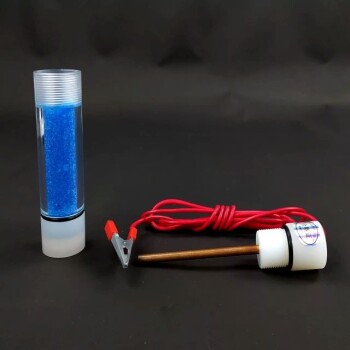
- Reference Electrode Calomel Silver Chloride Mercury Sulfate for Laboratory Use
- Copper Sulfate Reference Electrode for Laboratory Use
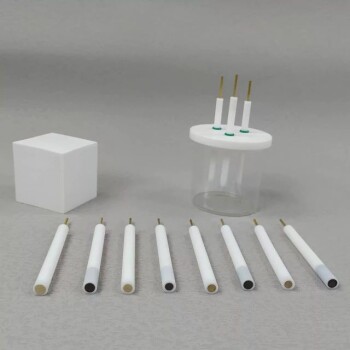
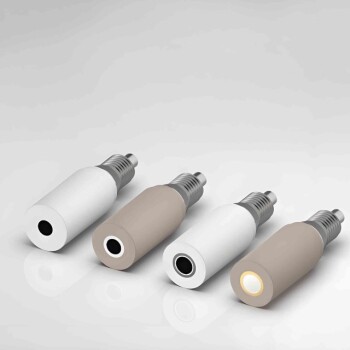
- Metal Disc Electrode Electrochemical Electrode
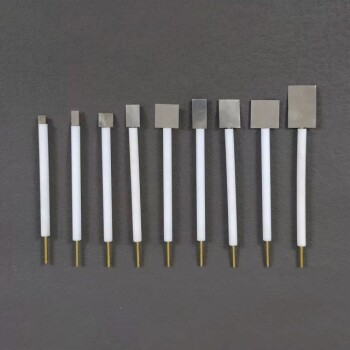
- Gold Electrochemical Sheet Electrode Gold Electrode
- Platinum Sheet Electrode for Battery Lab Applications
People Also Ask
- What is the function of a reference electrode? Master Precision in Three-Electrode Reactor Reconstruction
- What is the recommended maintenance for the filling solution of a reference electrode? A Guide to Stable & Accurate Readings
- Which electrode is used as a ground reference? Master the Key to Accurate Electrochemical Measurements
- What is the reference electrode in potentiometry? The Key to Stable & Accurate Measurements
- Which electrode is used as a reference? A Guide to Accurate Electrochemical Measurements