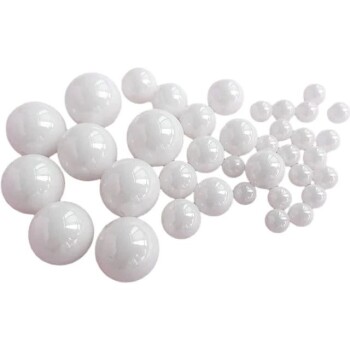
Zirconium oxide (ZrO2) grinding media is the non-negotiable standard for preparing sulfide solid electrolytes due to its unique combination of chemical inertness, extreme hardness, and high density. Unlike standard stainless steel media, ZrO2 prevents the introduction of metallic impurities and eliminates the risk of side reactions during the intense milling process. This ensures the synthesized material, such as Li6PS5Cl, retains the high purity required for optimal electrochemical performance.
The selection of grinding media is not just about mechanical force; it is a chemical compatibility decision. Zirconium Oxide is required to facilitate high-energy mechanochemical reactions without contaminating sensitive sulfide electrolytes with conductive metals.
The Critical Need for Chemical Inertness
Preventing Metallic Contamination
Sulfide solid electrolytes are exceptionally sensitive to impurities. The primary danger during milling is the introduction of metallic iron, which is inevitable if using stainless steel jars or balls.
Iron contamination is disastrous because it introduces electronic conductivity into a material that must be purely an ionic conductor. Zirconium oxide is chemically inert and does not shed conductive metallic particles, ensuring the dielectric properties of the electrolyte are preserved.
Avoiding Side Reactions
High-energy ball milling induces heat and highly reactive conditions. Sulfide raw materials can chemically react with the walls of the grinding jar if the material is not compatible.
ZrO2 acts as a neutral vessel. Its inert nature ensures that no side reactions occur between the sulfur compounds and the grinding media, preserving the stoichiometry of the final product.
Mechanical Efficiency and Wear Resistance
Withstanding High-Energy Impacts
The synthesis of sulfide electrolytes often requires prolonged, high-energy milling to drive mechanochemical reactions. This process is violent and abrasive.
ZrO2 possesses superior wear resistance compared to softer ceramics or lower-grade metals. It maintains its structural integrity over long durations, preventing the media itself from degrading and polluting the powder with ceramic dust.
The Role of Density in Synthesis
Effective milling requires more than just hardness; it requires impact force. ZrO2 has a high density, which translates to higher kinetic energy when the balls impact the powder.
This high impact energy is essential for the efficient refinement and homogenization of the electrolyte precursors. It ensures the reaction proceeds to completion, resulting in a highly conductive sulfide glass or ceramic.
Common Pitfalls to Avoid
The "Stainless Steel" Mistake
The most common error in this process is attempting to use stainless steel media to save on cost. While steel is hard, the abrasion releases iron into the mix.
Even trace amounts of iron can lead to internal short circuits in the final battery cell. In the context of sulfide electrolytes, steel is not just a sub-optimal choice; it is chemically incompatible.
Environmental Sealing
While the media material matters, the seal integrity is equally critical. High-quality zirconia jars are typically designed to be hermetically sealed.
This sealing is vital to maintain an inert argon environment inside the jar. Sulfide electrolytes hydrolyze rapidly upon contact with moisture; therefore, the jar must prevent any ambient air ingress during the long milling process.
Making the Right Choice for Your Goal
When setting up your synthesis protocol for sulfide solid electrolytes (like Li6PS5Cl), your equipment choices determine your success.
- If your primary focus is High Ionic Conductivity: You must use ZrO2 to ensure high density and impact energy, which drives the efficient homogenization and refinement of the precursors.
- If your primary focus is Electrochemical Stability: You must use ZrO2 to strictly prevent metallic iron contamination, which causes short circuits and degrades voltage stability.
By utilizing Zirconium Oxide, you transform the milling process from a simple size-reduction step into a precise, contamination-free chemical synthesis.
Summary Table:
| Feature | Zirconium Oxide (ZrO2) | Stainless Steel |
|---|---|---|
| Chemical Inertness | High (No side reactions) | Low (Reacts with sulfur) |
| Contamination Risk | None (Non-metallic) | High (Metallic iron particles) |
| Wear Resistance | Excellent (Minimal ceramic dust) | Moderate (Abrasive wear) |
| Density | High (High impact energy) | High (High impact energy) |
| Ionic Conductivity | Preserved | Degraded by impurities |
| Common Application | Sulfide Electrolytes (Li6PS5Cl) | Standard non-reactive minerals |
Elevate Your Solid-State Battery Research with KINTEK
Precision in material synthesis begins with the right equipment. KINTEK specializes in high-quality Zirconium Oxide (ZrO2) grinding jars and balls specifically designed to meet the rigorous demands of sulfide solid electrolyte preparation. Our products ensure your materials, like Li6PS5Cl, maintain the high purity and ionic conductivity required for next-generation energy storage.
Beyond milling, KINTEK offers a comprehensive range of laboratory solutions including high-temperature furnaces, hydraulic presses, and battery research consumables. Whether you need specialized PTFE products, ceramic crucibles, or cooling solutions, our team is ready to support your lab's efficiency and innovation.
Ready to eliminate metallic contamination and optimize your synthesis results?
Contact KINTEK Today to Find Your Ideal Lab Solution
Related Products
- Laboratory Jar Ball Mill with Alumina Zirconia Grinding Jar and Balls
- Precision Machined Zirconia Ceramic Ball for Engineering Advanced Fine Ceramics
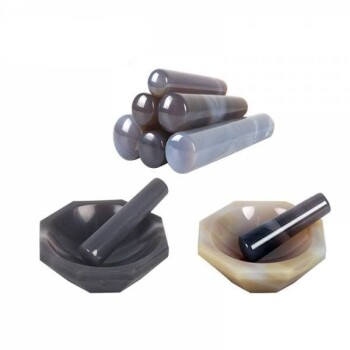
- Laboratory Jar Mill with Agate Grinding Jar and Balls
- Laboratory Ball Mill Jar Mill with Metal Alloy Grinding Jar and Balls
- Laboratory Ten-Body Horizontal Jar Mill for Lab Use
People Also Ask
- What are the primary functions of using a ball mill for BZCY72 powder? Achieve High Purity and Enhanced Sintering
- In what way does a laboratory ball mill affect material properties when modifying PHBV/pulp fiber composites?
- Why is a laboratory ball mill required for ultra-fine fly ash? Unlock Nano-Scale Adsorption Power
- What is the function of a laboratory ball mill in the preparation of AMMCs? Optimize Dispersion & Grain Refinement
- What is the function of a laboratory ball mill in the pretreatment of waste tire char (WTC)? Optimize Material Reactivity