Products Lab Consumables & Materials Electrochemical Consumables Graphite Disc Rod and Sheet Electrode Electrochemical Graphite Electrode
Graphite Disc Rod and Sheet Electrode Electrochemical Graphite Electrode

Electrochemical Consumables

Graphite Disc Rod and Sheet Electrode Electrochemical Graphite Electrode

Item Number : ELEG

Price varies based on specs and customizations


$12.90 / set


Material
High-purity graphite>99.99%
rod material
PTFE
ISO & CE icon

Shipping:

Contact us to get shipping details Enjoy On-time Dispatch Guarantee.

View Specs

Why Choose Us

Easy ordering process, quality products, and dedicated support for your business success.

Easy Process Quality Assured Dedicated Support

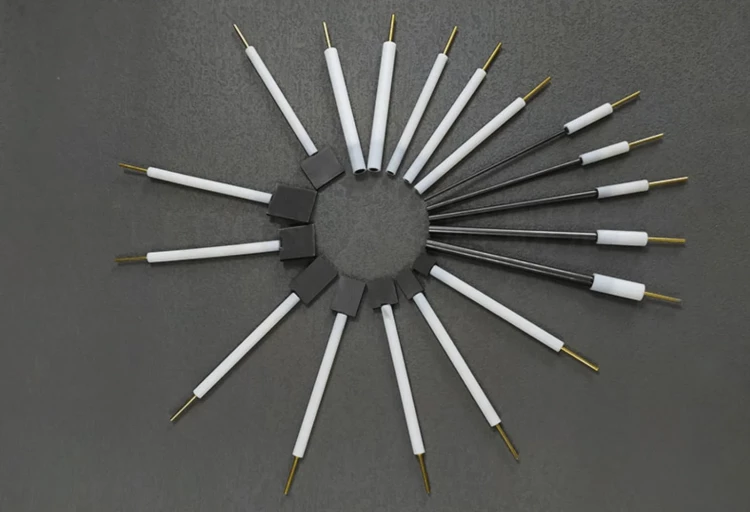
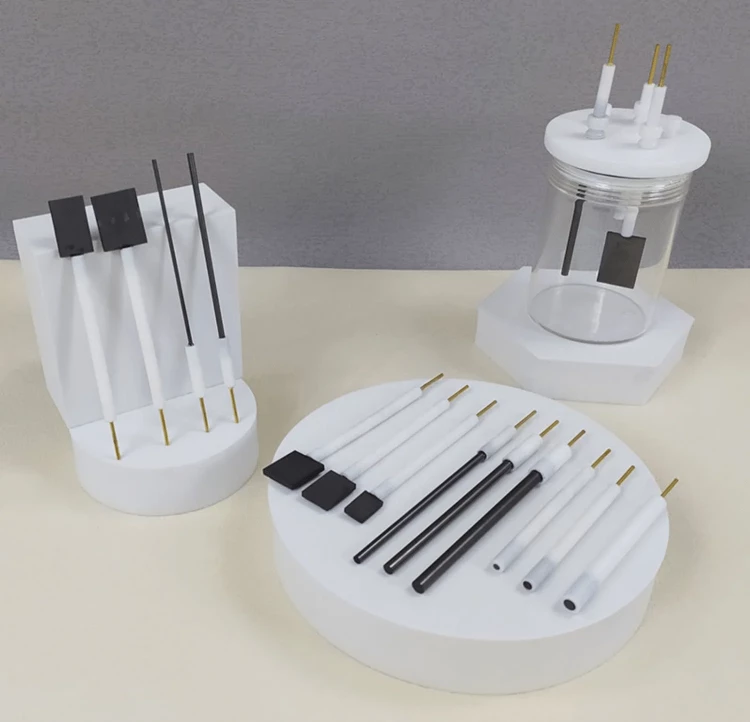
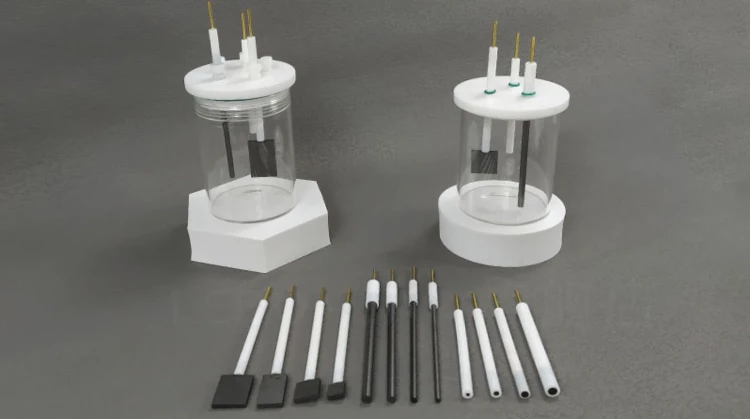
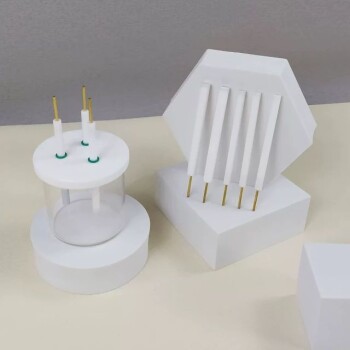
We offer graphite disk electrodes and graphite sheet electrodes made from high-quality materials, ensuring their acid and alkali resistance. Our complete models are safe, durable, and customizable to suit your specific needs.

Technical specifications

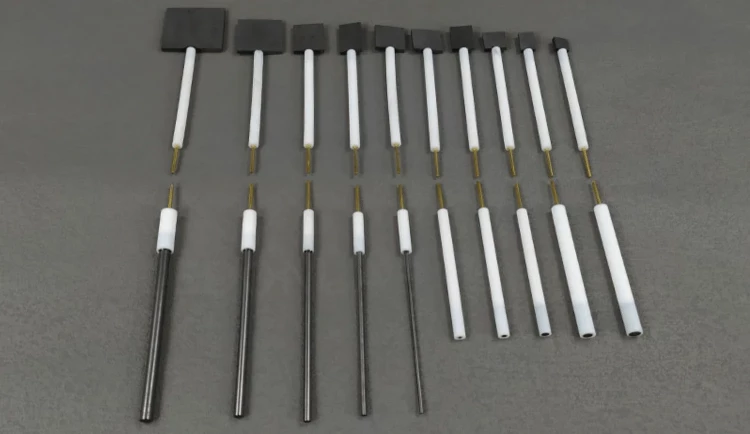
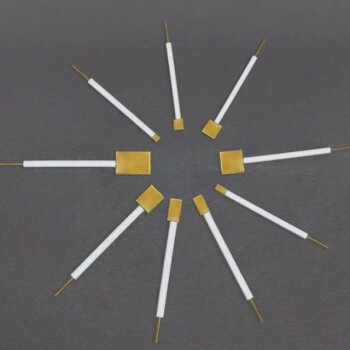
Graphite electrode
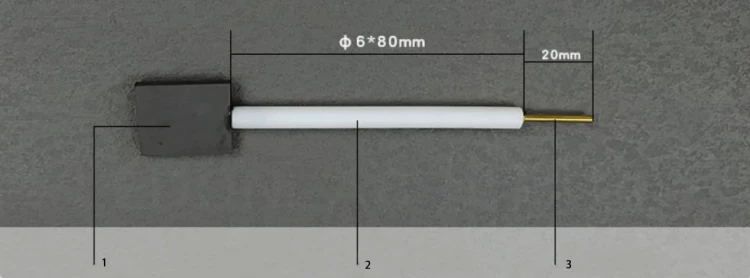
Graphite electrode
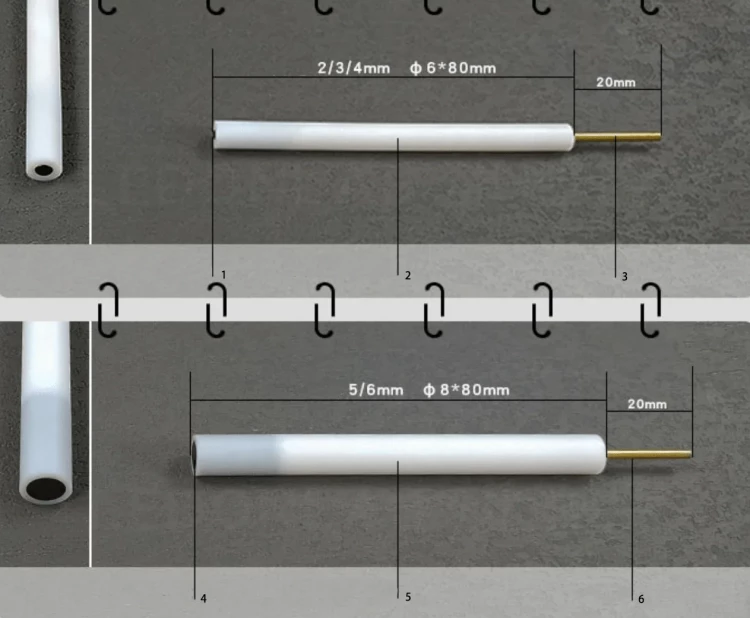
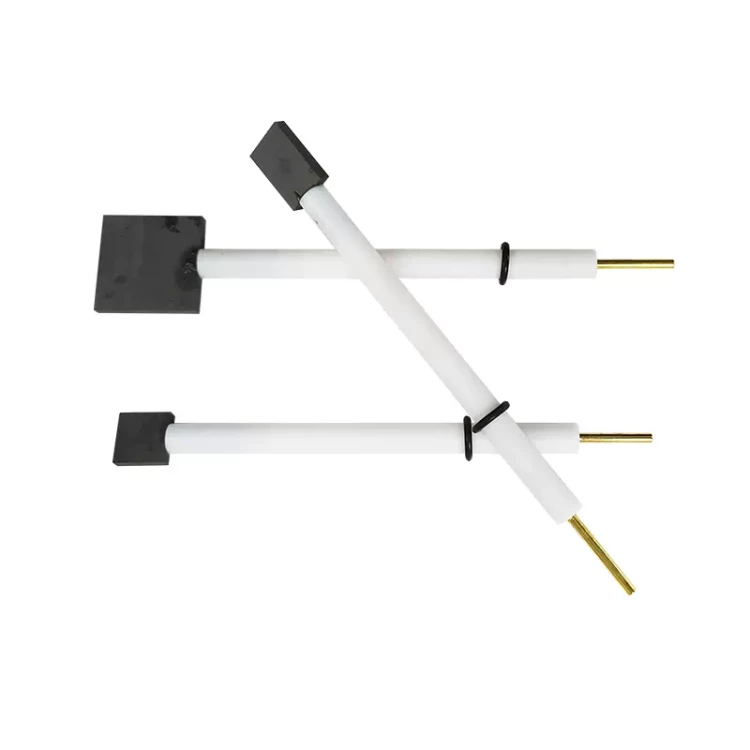
1. Pure graphite sheet; 2. PTFE rod; 3. Gold-plated terminal
Features 10*10*3, can be customized
Applicable temperature range 0 ~ 60℃
Rod material PTFE
Material High-purity graphite>99.99%

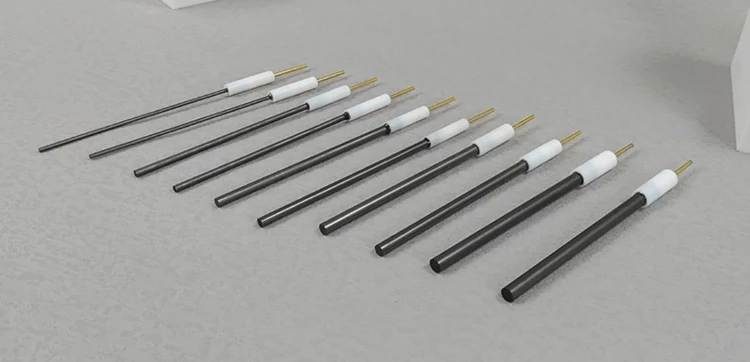
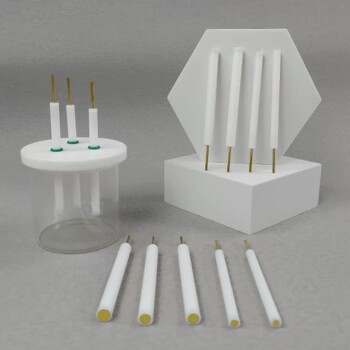
Graphite Rod Electrode

Graphite Rod Electrode
1. Pure graphite sheet; 2. PTFE rod; 3. Gold-plated terminal; 4. Pure graphite sheet; 5. PTFE rod; 6. Gold-plated terminal;
Features 2*90, can be customized
Applicable temperature range 0 ~ 60℃
Rod material PTFE
Material High-purity graphite>99.99%

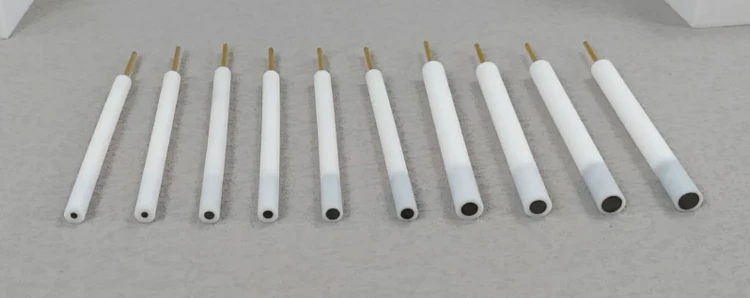
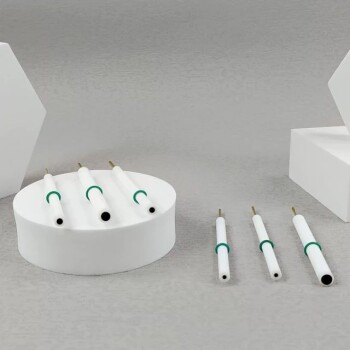
Graphite disk electrode

Graphite disk electrode
1. Pure graphite disc; 2. PTFE rod; 3. Gold-plated terminal; 4. Pure graphite disc; 5. PTFE rod; 6. Gold-plated terminal;
Features Inner core φ 2-6
Applicable temperature range 0 ~ 60℃
Rod material PTFE
Material High-purity graphite>99.99%

Detail & Parts

graphite electrode detail 1graphite electrode detail 2graphite electrode detail 3graphite electrode detail 4graphite electrode detail 5graphite electrode detail 6graphite electrode detail 7

Designed for You

KinTek provide deep custom made service and equipment to worldwide customers, our specialized teamwork and rich experienced engineers are capable to undertake the custom tailoring hardware and software equipment requirements, and help our customer to build up the exclusive and personalized equipment and solution!

Would you please drop your ideas to us, our engineers are ready for you now!

Trusted by Industry Leaders

Our Cooperated Clients

FAQ

What Is An Electrode In Electrochemistry?

An electrode is a solid electrical conductor that serves as the point where current enters and leaves the electrolyte in an electrochemical cell. When the current leaves the electrode, it is called the cathode, and when it enters, it is called the anode. Electrodes are essential components of electrochemical cells, transporting produced electrons from one half-cell to another, which produces an electrical charge. The charge is based on a standard electrode system (SHE) with a reference potential of 0 volts and serves as a medium for any cell potential calculation.

What Are The Materials Used In Electrochemical Cell?

The materials used in an electrochemical cell are the anode, cathode, and electrolyte. The anode is the negative electrode that releases electrons to the external circuit and oxidizes during the electrochemical reaction. The cathode is the positive electrode that acquires electrons from the external circuit and is reduced during the electrochemical reaction. The electrolyte is the medium that provides the ion transport mechanism between the cathode and anode of a cell. The desirable properties for anode, cathode, and electrolyte materials include high efficiency, stability, good conductivity, ease of fabrication, and low cost.

What Is The Function Of Auxiliary Electrode?

The auxiliary electrode, also known as the counter electrode, is an electrode used in a three-electrode electrochemical cell for voltammetric analysis or other reactions where an electric current is expected to flow. Its primary function is to provide a pathway for current flow in the electrochemical cell without passing a significant current through the reference electrode. It provides a means of applying input potential to the working electrode. The auxiliary electrode may be isolated from the working electrode to prevent any byproducts generated from contaminating the main test solution. It is often fabricated from electrochemically inert materials such as gold, platinum, or carbon.

What Is Rotating Disk Electrode Used For?

Rotating disk electrode (RDE) is a hydrodynamic working electrode used in electrochemical applications such as corrosion studies, fuel cell research, catalyst development, and controlling mass transport of reactants to the electrode surface. It is used when defined mass transport to the sample electrode is desired. The disk's rotation induces a constant flux of analyte to the electrode, making it ideal for investigating different electrochemical phenomena such as multi-electron transfer, kinetics of slow electron transfer, adsorption/desorption steps, and electrochemical reaction mechanisms. In analytical chemistry, RDE is used in three-electrode systems for hydrodynamic voltammetry to investigate reaction mechanisms related to redox chemistry.

What Are The 3 Electrodes In Electrochemistry?

The three electrodes commonly used in electrochemistry are the Working Electrode (WE), Reference Electrode (RE), and Counter Electrode (CE). The WE is where the electrochemical reaction occurs and the current is measured. The RE provides a stable reference potential for the measurement. The CE completes the circuit and balances the charge between the WE and RE. Proper preparation and use of each electrode is crucial for accurate electrochemical experiments.

What Are The Examples Of Electrochemical Material?

Examples of electrochemical materials include anode materials for the oxidation of acetic acid, cathode materials for the reduction of acrylonitrile, and electrode materials for the cathodic hydrodimerization of formaldehyde to ethylene glycol. Selectivity for synthetic electrochemical reactions can be determined by the materials used, with electrode materials imparting control and variation of outcomes. The choice of electrode material can also switch reactivity on or off, such as with the cathodic hydrodimerization of formaldehyde only occurring with mercury or carbon cathodes. Understanding the influence of electrode materials can facilitate improved rationalization of differences in achieved yields or selectivity.

What Is The Difference Between Auxiliary And Reference Electrode?

The main difference between auxiliary and reference electrode lies in their function in an electrochemical cell. The auxiliary electrode, also known as the counter electrode, is used to facilitate charge transfer to and from the analyte and pass all the current so that the current at the working electrode can be controlled. On the other hand, the reference electrode is used to reference when measuring and controlling the potential of the working electrode and does not pass any current. The reference electrode has a fixed potential, while the potential of the auxiliary electrode can change.

What Is The Rotating Electrode Method?

The rotating electrode method is a technique used in electrochemical applications such as fuel cell research, corrosion studies, catalyst development, and controlling mass transport of reactants to the electrode surface. It involves using a rotating disk electrode (RDE) that rotates during experiments, inducing a constant flux of analyte to the electrode. The RDE can quickly achieve conditions in which the steady-state current is controlled by the solution flow rather than diffusion. By running experiments at various rotation rates, different electrochemical phenomena can be investigated, including multi-electron transfer, adsorption/desorption steps, and electrochemical reaction mechanisms.

What Are The Different Types Of Electrochemical Electrodes?

There are several types of electrochemical electrodes, each designed for specific applications. The most common types include working electrodes, reference electrodes, and counter electrodes. Working electrodes are the primary electrodes where the electrochemical reaction of interest takes place. Reference electrodes provide a stable reference potential against which the working electrode potential can be measured. Counter electrodes complete the circuit by providing a site for the flow of electrons to balance out the current passing through the working electrode.

What Materials Are Commonly Used For Auxiliary Electrodes?

The choice of materials for auxiliary electrodes depends on the specific electrochemical system and the desired reaction. Common materials for auxiliary electrodes include platinum, graphite, stainless steel, and certain metal alloys. These materials are typically inert and do not participate in the desired electrochemical reaction, ensuring that the auxiliary electrode's role remains solely as a conductor for current flow.

What Is The Rotating Ring-disk Electrode Method?

The rotating ring-disk electrode (RRDE) is a double working electrode used in analytical chemistry for hydrodynamic voltammetry. It is designed for investigating reaction mechanisms related to redox chemistry and other chemical phenomena. The RRDE has a disk electrode at its center and a ring electrode around the disk. The system takes advantage of the laminar flow created during rotation, allowing for controlled contact of the solution with the disk and ring electrodes. By varying the rate of rotation, it is possible to determine the rate of the chemical reaction and investigate different electrochemical phenomena.

What Materials Are Commonly Used For Electrochemical Electrodes?

Various materials can be used for electrochemical electrodes depending on the specific application and requirements. Common materials include noble metals such as platinum, gold, and silver, which provide excellent conductivity and chemical stability. Carbon-based materials like graphite or glassy carbon are also commonly used due to their high surface area and good electrical properties. Additionally, metal oxides, conductive polymers, and composite materials are employed for specific applications that necessitate unique properties such as catalytic activity or selectivity.

How Do Auxiliary Electrodes Affect The Performance Of An Electrochemical Cell?

Auxiliary electrodes play a crucial role in the performance of electrochemical cells. They help maintain a balanced electrical potential, minimizing side reactions or unwanted reactions at the working electrode. The choice of appropriate materials for the auxiliary electrode is essential to prevent contamination or interference with the desired electrochemical process. Additionally, the design and positioning of the auxiliary electrode within the cell can impact overall efficiency and uniformity of current distribution. Proper selection and placement of auxiliary electrodes can enhance the performance, accuracy, and reproducibility of electrochemical measurements or processes.

What Are The Advantages Of Rotating Disc Electrode?

The advantages of rotating disk electrodes (RDE) include the ability to control mass transport of reactants to the electrode surface, achieve laminar flow of solution towards and across the electrode, and investigate different electrochemical phenomena such as multi-electron transfer and electrochemical reaction mechanisms. RDEs are commonly used in electrochemical applications such as corrosion studies, fuel cell research, and catalyst development. The base rotation rate of RDEs can be manually adjusted, and the electrode rotation rate can be precisely controlled with an electric motor. RDEs are a powerful tool for investigating reaction mechanisms related to redox chemistry and other chemical phenomena.

What Factors Should Be Considered When Selecting An Electrochemical Electrode?

When selecting an electrochemical electrode, several factors should be considered. The choice of electrode material is crucial, as it determines the electrode's conductivity, stability, and catalytic activity. The electrode size and geometry should match the specific experimental setup and requirements. Consideration should also be given to the compatibility of the electrode material with the electrolyte and the potential range of the electrochemical system. Additionally, cost, availability, and ease of fabrication should be taken into account when selecting an electrode for practical applications.

Why Are Auxiliary Electrodes Necessary In Electrochemical Systems?

Auxiliary electrodes are necessary in electrochemical systems to maintain electrical neutrality and ensure the flow of current. In many electrochemical reactions, the desired reaction occurs at the working electrode, while the auxiliary electrode acts as a counterbalance. It helps to complete the circuit by providing a path for the flow of electrons or ions, thereby allowing the continuous movement of charge and ensuring the overall electrochemical reaction proceeds smoothly and efficiently.

How Can Electrochemical Electrodes Be Used In Various Applications?

Electrochemical electrodes find applications in a wide range of fields, including energy storage and conversion, corrosion analysis, sensors and biosensors, electroplating, and water treatment. They are used in batteries and fuel cells to facilitate the electrochemical reactions that store and convert energy. Electrochemical sensors and biosensors utilize electrodes to detect and measure analytes in various samples. Electroplating and electrorefining processes rely on electrodes to deposit or extract metal ions. Additionally, electrochemical electrodes are employed in electrochemical machining, electroanalysis, and many other research and industrial applications that involve studying or manipulating electrochemical phenomena.

Are There Any Limitations Or Considerations When Using Auxiliary Electrodes?

When using auxiliary electrodes, several limitations and considerations should be taken into account. The choice of materials for the auxiliary electrode is critical to prevent any unwanted reactions or contamination that could affect the desired electrochemical process. Compatibility between the auxiliary electrode and the electrolyte or reactants should be considered to ensure stability and long-term performance. Additionally, the design and positioning of the auxiliary electrode should be carefully optimized to minimize current distribution issues or potential interference with the working electrode. It is also essential to regularly monitor and maintain the auxiliary electrode to prevent degradation or contamination that could impact its performance. Finally, the size and shape of the auxiliary electrode should be considered to ensure compatibility with the specific electrochemical cell or system being used.
View more faqs for this product

Product Datasheet

Graphite Disc Rod and Sheet Electrode Electrochemical Graphite Electrode

Category Catalog

Electrochemical Consumables


REQUEST A QUOTE

Our professional team will reply to you within one business day. Please feel free to contact us!

Related Products
Graphite Vacuum Furnace Negative Material Graphitization Furnace

Graphite Vacuum Furnace Negative Material Graphitization Furnace

Graphitization furnace for battery production has uniform temperature and low energy consumption. Graphitization furnace for negative electrode materials: an efficient graphitization solution for battery production and advanced functions to enhance battery performance.

View Details
High Purity Pure Graphite Crucible for Electron Beam Evaporation

High Purity Pure Graphite Crucible for Electron Beam Evaporation

A technology mainly used in the field of power electronics. It is a graphite film made of carbon source material by material deposition using electron beam technology.
View Details
Glassy Carbon Sheet RVC for Electrochemical Experiments

Glassy Carbon Sheet RVC for Electrochemical Experiments

Discover our Glassy Carbon Sheet - RVC. Perfect for your experiments, this high-quality material will elevate your research to the next level.
View Details
Glassy Carbon Electrochemical Electrode

Glassy Carbon Electrochemical Electrode

Upgrade your experiments with our Glassy Carbon Electrode. Safe, durable, and customizable to fit your specific needs. Discover our complete models today.
View Details
Rotating Platinum Disk Electrode for Electrochemical Applications

Rotating Platinum Disk Electrode for Electrochemical Applications

Upgrade your electrochemical experiments with our Platinum Disc Electrode. High-quality and reliable for accurate results.
View Details
Gold Disc Electrode

Gold Disc Electrode

Looking for a high-quality gold disc electrode for your electrochemical experiments? Look no further than our top-of-the-line product.
View Details
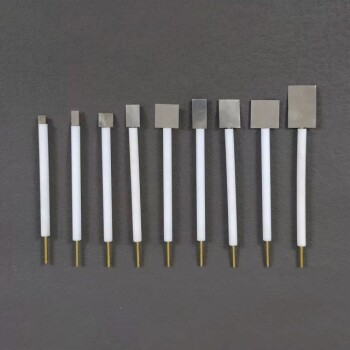
Gold Electrochemical Sheet Electrode Gold Electrode

Gold Electrochemical Sheet Electrode Gold Electrode

Discover high-quality gold sheet electrodes for safe and durable electrochemical experiments. Choose from complete models or customize to meet your specific needs.
View Details
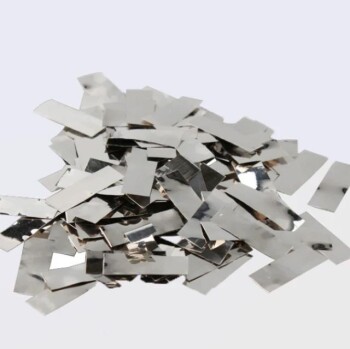
Platinum Sheet Electrode for Laboratory and Industrial Applications

Platinum Sheet Electrode for Laboratory and Industrial Applications

Elevate your experiments with our Platinum Sheet Electrode. Crafted with quality materials, our safe and durable models can be tailored to fit your needs.
View Details
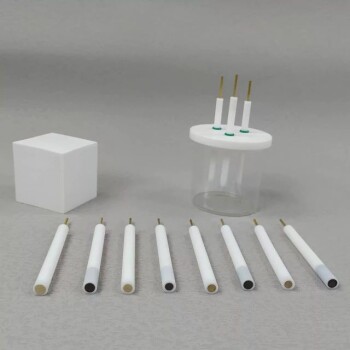
Platinum Sheet Electrode for Battery Lab Applications

Platinum Sheet Electrode for Battery Lab Applications

Platinum sheet is composed of platinum, which is also one of the refractory metals. It is soft and can be forged, rolled and drawn into rod, wire, plate, tube and wire.
View Details
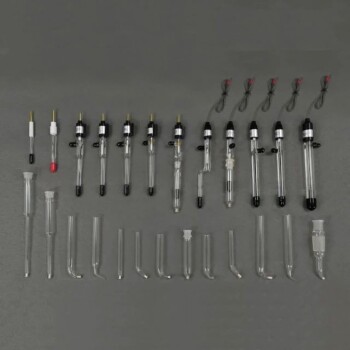
Metal Disc Electrode Electrochemical Electrode

Metal Disc Electrode Electrochemical Electrode

Elevate your experiments with our Metal Disk Electrode. High-quality, acid and alkali resistant, and customizable to fit your specific needs. Discover our complete models today.
View Details
Reference Electrode Calomel Silver Chloride Mercury Sulfate for Laboratory Use

Reference Electrode Calomel Silver Chloride Mercury Sulfate for Laboratory Use

Find high-quality reference electrodes for electrochemical experiments with complete specifications. Our models offer resistance to acid and alkali, durability, and safety, with customization options available to meet your specific needs.
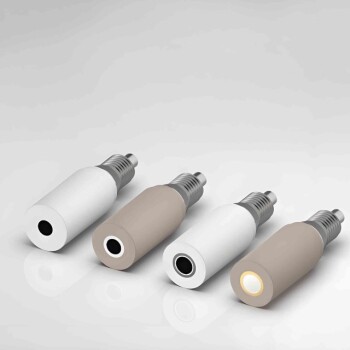
View Details
RRDE rotating disk (ring disk) electrode / compatible with PINE, Japanese ALS, Swiss Metrohm glassy carbon platinum

RRDE rotating disk (ring disk) electrode / compatible with PINE, Japanese ALS, Swiss Metrohm glassy carbon platinum

Elevate your electrochemical research with our Rotating Disk and Ring Electrodes. Corrosion resistant and customizable to your specific needs, with complete specifications.
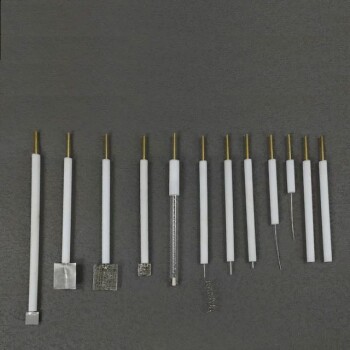
View Details
Platinum Auxiliary Electrode for Laboratory Use

Platinum Auxiliary Electrode for Laboratory Use

Optimize your electrochemical experiments with our Platinum Auxiliary Electrode. Our high-quality, customizable models are safe and durable. Upgrade today!

View Details
Carbon Graphite Boat -Laboratory Tube Furnace with Cover

Carbon Graphite Boat -Laboratory Tube Furnace with Cover

Covered Carbon Graphite Boat Laboratory Tube Furnaces are specialized vessels or vessels made of graphite material designed to withstand extreme high temperatures and chemically aggressive environments.
View Details
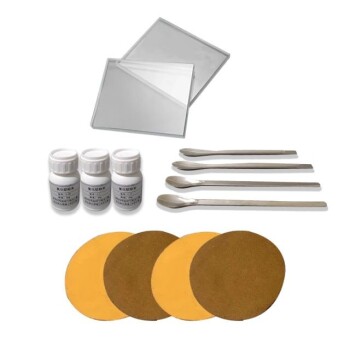
Electrode Polishing Material for Electrochemical Experiments

Electrode Polishing Material for Electrochemical Experiments

Looking for a way to polish your electrodes for electrochemical experiments? Our polishing materials are here to help! Follow our easy instructions for best results.
View Details
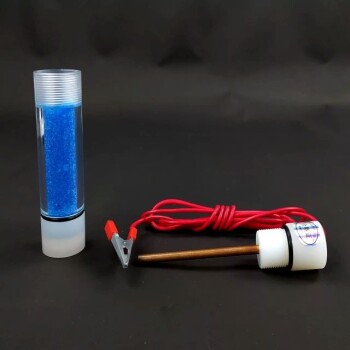
Copper Sulfate Reference Electrode for Laboratory Use

Copper Sulfate Reference Electrode for Laboratory Use

Looking for a Copper Sulfate Reference Electrode? Our complete models are made of high-quality materials, ensuring durability and safety. Customization options available.

View Details
Laboratory CVD Boron Doped Diamond Materials

Laboratory CVD Boron Doped Diamond Materials

CVD boron-doped diamond: A versatile material enabling tailored electrical conductivity, optical transparency, and exceptional thermal properties for applications in electronics, optics, sensing, and quantum technologies.

View Details
Conductive Carbon Cloth Carbon Paper Carbon Felt for Electrodes and Batteries

Conductive Carbon Cloth Carbon Paper Carbon Felt for Electrodes and Batteries

Conductive carbon cloth, paper, and felt for electrochemical experiments. High-quality materials for reliable and accurate results. Order now for customization options.

View Details
High Purity Gold Platinum Copper Iron Metal Sheets

High Purity Gold Platinum Copper Iron Metal Sheets

Elevate your experiments with our high-purity sheet metal. Gold, platinum, copper, iron, and more. Perfect for electrochemistry and other fields.

View Details
Electrolytic Electrochemical Cell Gas Diffusion Liquid Flow Reaction Cell

Electrolytic Electrochemical Cell Gas Diffusion Liquid Flow Reaction Cell

Looking for a high-quality gas diffusion electrolysis cell? Our liquid flow reaction cell boasts exceptional corrosion resistance and complete specifications, with customizable options available to suit your needs. Contact us today!

View Details

Related Articles

The Future of Electrochemical Electrodes

The Future of Electrochemical Electrodes

The latest trends and developments in electrode materials and their implications for the future of electrochemistry.
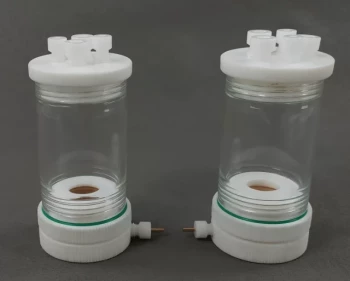
Find out more
Electrochemical Electrodes in Chemical Analysis

Electrochemical Electrodes in Chemical Analysis

Electrochemical electrodes are essential tools used in many chemical analysis techniques and experiments. These electrodes are devices that allow us to measure the electrical potential difference in a chemical reaction.

Find out more
Understanding Electrodeposition with Electrochemical Electrodes

Understanding Electrodeposition with Electrochemical Electrodes

Electrodeposition is a process of depositing a metal or a non-metallic material onto a surface by applying an electric current.

Find out more
Innovations in Electrochemical Electrodes Technology

Innovations in Electrochemical Electrodes Technology

Recent advancements in nanotechnology and materials science have led to significant improvements in electrochemical devices, making them more efficient, durable, and cost-effective.
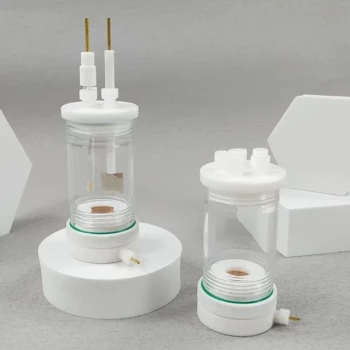
Find out more
Electrolytes and Electrochemical Electrodes

Electrolytes and Electrochemical Electrodes

Electrolytes and electrodes play an essential role in electrochemistry. Electrolytes are substances that conduct electricity when dissolved in water or melted.
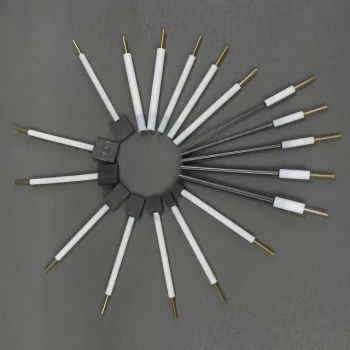
Find out more
How to Choose the Right Electrochemical Electrode

How to Choose the Right Electrochemical Electrode

The choice of electrode material can have a significant impact on the performance of the electrochemical system.
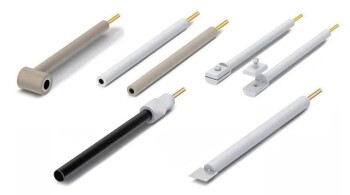
Find out more
Understanding Electrodes in Electrochemical Systems: Working, Counter, and Reference Electrodes

Understanding Electrodes in Electrochemical Systems: Working, Counter, and Reference Electrodes

An overview of the roles and characteristics of working, counter, and reference electrodes in electrochemical systems.
Find out more
Why Your Graphite Components Keep Failing—And How to Stop It for Good

Why Your Graphite Components Keep Failing—And How to Stop It for Good

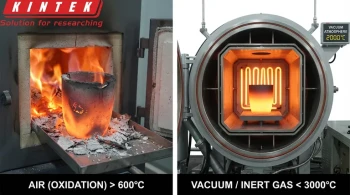
Graphite parts failing below their temp limit? We reveal the hidden cause (oxidation) and show you how to protect your experiments and budget.
Find out more
The Silent Interface: Mastery Over Electrode Decay

The Silent Interface: Mastery Over Electrode Decay

Electrode failure is rarely sudden; it is the compound interest of neglect. Learn the disciplined maintenance protocols that preserve accuracy and longevity.
Find out more
The Invisible Architecture of Accuracy: Mastering Electrode Installation

The Invisible Architecture of Accuracy: Mastering Electrode Installation

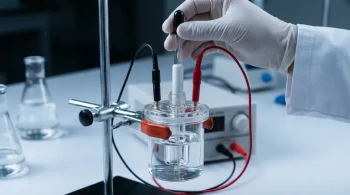
Master the lifecycle of electrode installation—from inspection to alignment and maintenance—to ensure safety and reproducibility in electrochemical experiments.

Find out more
Understanding Electrodes and Electrochemical Cells

Understanding Electrodes and Electrochemical Cells

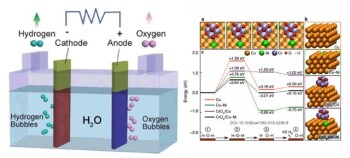
An electrode is a point where current enters and leaves the electrolyte. It is a conductor used to make a junction with a nonmetallic part of a circuit. Electrodes can be made of materials such as gold, platinum, carbon, graphite, or metal. They serve as the surface for oxidation-reduction reactions in electrochemical cells. There are different types of electrodes, including anode and cathode.
Find out more
Introduction to Rotating Disc Electrodes and Common Electrochemical Applications

Introduction to Rotating Disc Electrodes and Common Electrochemical Applications

An overview of rotating disc electrodes and their applications in various electrochemical studies, including catalyst evaluation, battery research, and corrosion protection.

Find out more