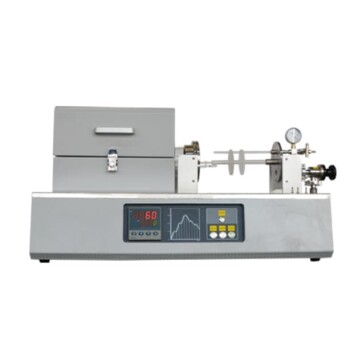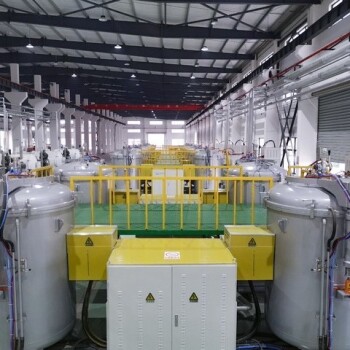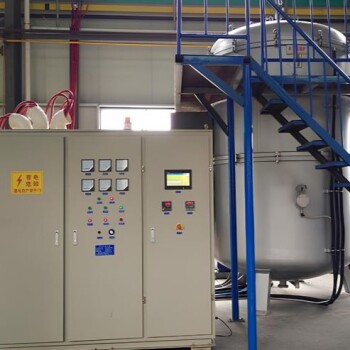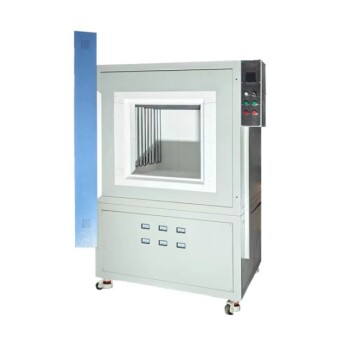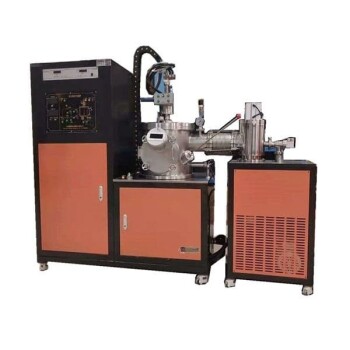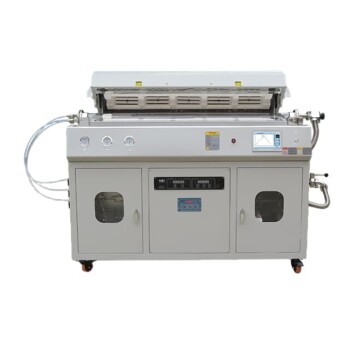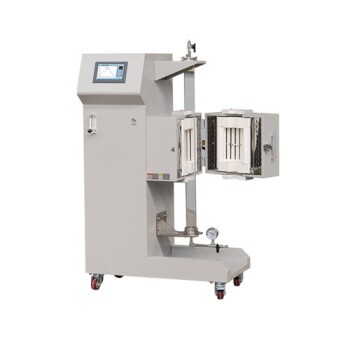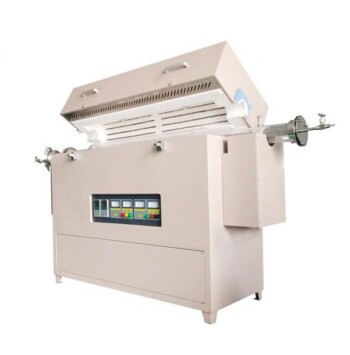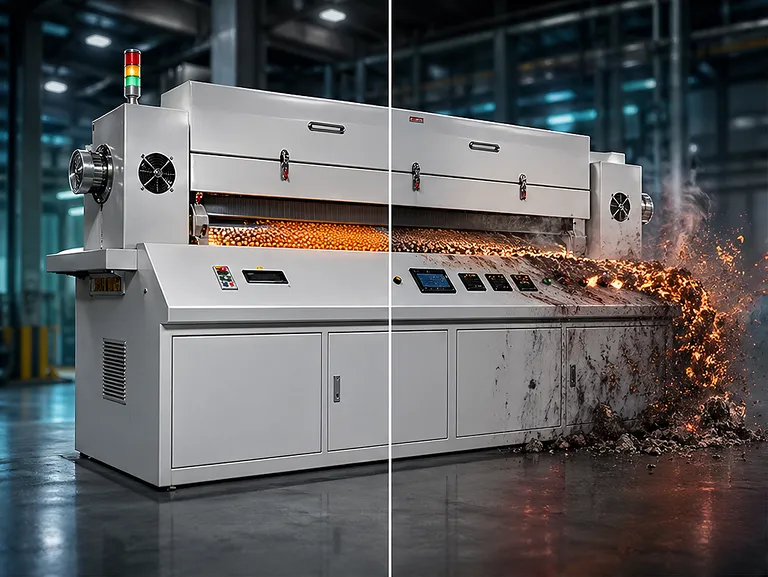
Does this sound familiar? You’ve spent hours carefully preparing a batch of valuable material. You run it through the lab's rotary furnace, expecting a perfectly calcined powder. Instead, you get a frustrating mix: some unreacted raw material, some over-processed lumps, and very little of the high-quality product you actually need. You’ve just wasted time, energy, and expensive materials, and you’re back to square one.
For lab managers, process engineers, and material scientists, this isn't just an occasional inconvenience. It's a chronic problem that stalls progress.
The High Cost of Trial-and-Error Calcination
When faced with inconsistent results, the typical reaction is to start tweaking the most obvious settings.
- "The reaction was incomplete. Let's turn up the heat." The next run produces sintered, fused clumps.
- "Okay, it was too hot. Let's lower the heat but run it for longer." The next run is still incomplete, and throughput drops.
- "Maybe the rotation was too fast?" You slow it down, only to find hot spots have formed, creating an even more uneven product.
This endless cycle of guesswork isn't just frustrating; it has serious business consequences. Project timelines get delayed as teams re-run failed experiments. Budgets are consumed by wasted energy and ruined raw materials. Most importantly, you can't develop a reliable process for scale-up if you can't even get repeatable results in the lab. It erodes confidence and puts innovation on hold.
The Root Cause: A Three-Way Balancing Act
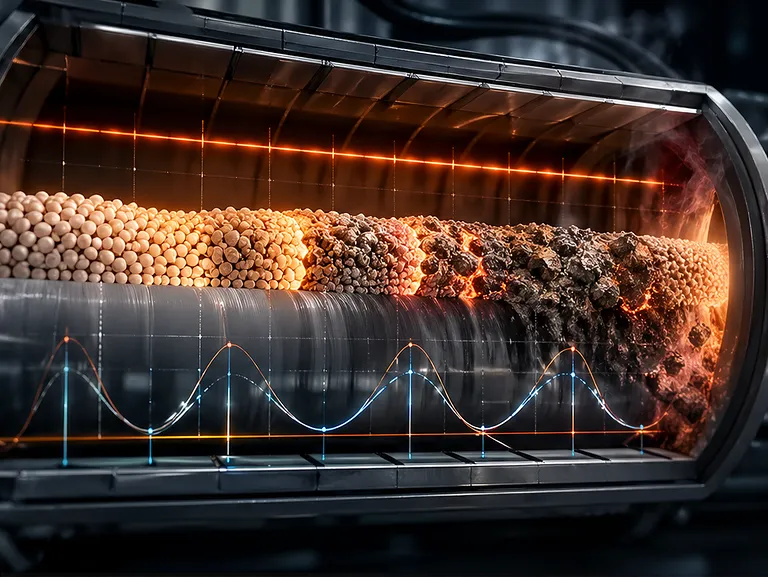
The reason these one-off adjustments fail is that they mistake a symptom for the disease. The problem isn't that your temperature was wrong, or your retention time was off. The root cause is that successful calcination depends on the precise, simultaneous control of three interconnected factors: Heat, Time, and Atmosphere.
Think of it like conducting a symphony. You can't just tell the violins to play louder and expect a masterpiece. The brass and percussion must adjust in perfect harmony. In a rotary furnace, it's the same principle:
-
Heat (Temperature): This is the most obvious factor. Too little, and the chemical decomposition won't start. But too much, and your material begins to sinter—fusing into lumps that are no longer reactive and can damage the furnace. You need to hit a precise thermal "sweet spot."
-
Time (Retention): The material must spend enough time at that sweet-spot temperature for the reaction to complete. This is controlled by the furnace's rotation speed and angle. Too short, and you get an incomplete reaction. Too long, and you waste energy and risk over-processing.
-
Atmosphere (Gas Environment): Calcination is a chemical reaction that releases gases (like CO₂ or water vapor). The atmosphere inside the kiln must not only carry these gases away but also, in many cases, provide a specific environment—either oxygen-rich (oxidizing) or oxygen-poor (reducing)—to drive the correct chemical transformation.
The "common fixes" fail because changing one variable throws the others out of balance. Cranking up the heat might require a shorter retention time, but your furnace isn't designed for that level of integrated control. You are trying to conduct a symphony with separate, disconnected controls for each section of the orchestra.
A Tool Designed for Control, Not Just Heat
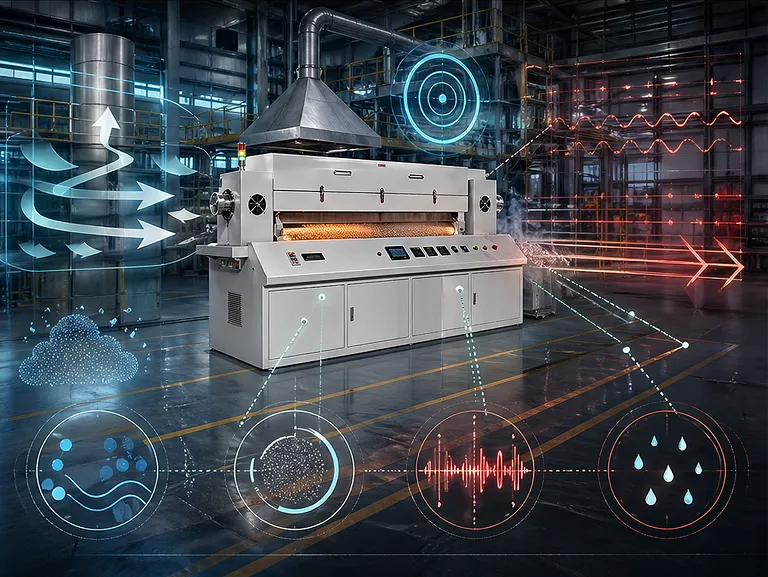
To solve this problem permanently, you don't need to be a lucky operator. You need an instrument built from the ground up to manage this delicate three-way dance. You need a tool designed for process control, not just heating.
This is the engineering philosophy behind KINTEK's laboratory rotary furnaces. They are designed to give you precise, repeatable, and simultaneous command over the entire thermal system.
- To solve inconsistent heating: Our furnaces utilize advanced temperature controllers and uniform heating elements to eliminate hot spots and prevent temperature overshoots. Your material gets the exact heat it needs—no more, no less.
- To solve inconsistent retention time: With digitally controlled and adjustable rotation speed and tilt angle, you can precisely dial in the material's residence time, ensuring the reaction goes to completion every time, without guesswork.
- To solve uncontrolled atmosphere: Our systems feature integrated gas inlets and outlets, allowing you to maintain a consistent, controlled atmosphere (whether inert, oxidizing, or reducing) throughout the process—critical for specialized applications like mineral roasting or advanced material synthesis.
A KINTEK furnace isn't just another piece of lab equipment; it's the embodiment of a solution, born from a deep understanding of the very problem you're facing.
From Fighting Fires to Fueling Innovation
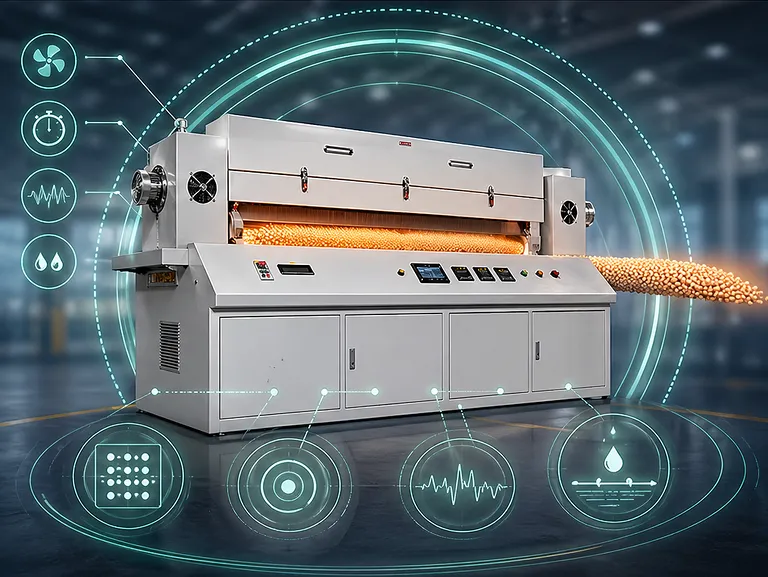
When you stop battling inconsistency, you unlock new potential. The time and resources once spent on re-running failed experiments can now be channeled into genuine innovation.
Imagine what becomes possible when your calcination process is finally predictable and repeatable:
- Accelerate R&D: Confidently test new formulations and catalysts, knowing your results are due to your variables, not the furnace's whims.
- Develop Superior Materials: Precisely engineer a material’s porosity and crystalline structure to unlock new levels of performance.
- Scale with Confidence: Develop a robust, documented process at the lab scale that can be reliably transferred to pilot or full-scale production.
- Achieve Unprecedented Efficiency: Drastically reduce energy consumption and material waste by getting the process right the first time, every time.
Solving your calcination challenge is about more than just better data; it's about empowering your team to push the boundaries of what's possible. If you're ready to move beyond trial-and-error and implement a process built on precision and control, our team is here to help you configure the right solution for your unique project. Contact Our Experts.
Related Products
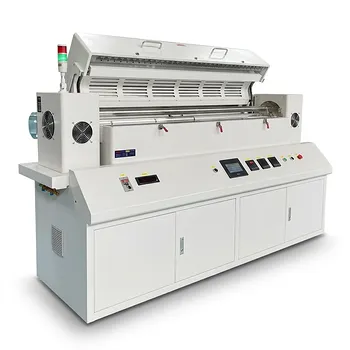
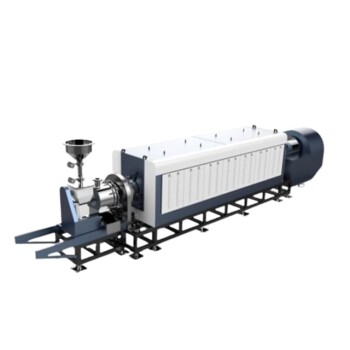
- Rotary Tube Furnace Split Multi Heating Zone Rotating Tube Furnace
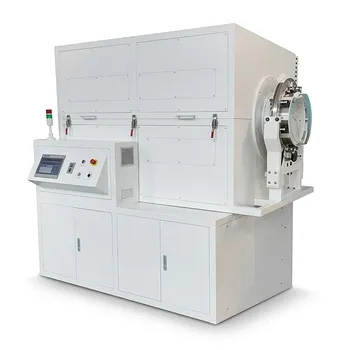
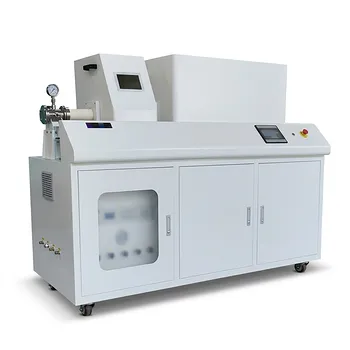
- Laboratory Vacuum Tilt Rotary Tube Furnace Rotating Tube Furnace
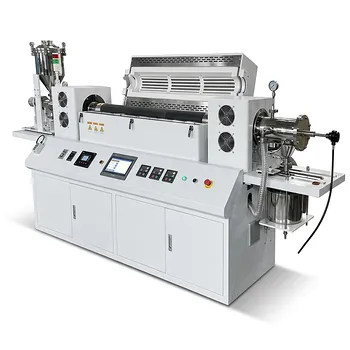
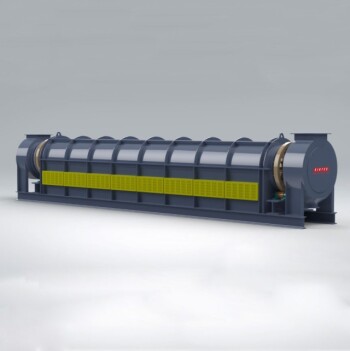
- Vacuum Sealed Continuous Working Rotary Tube Furnace Rotating Tube Furnace
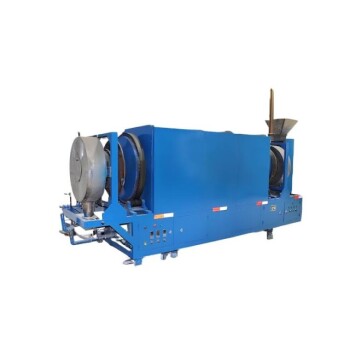
- Electric Rotary Kiln Small Rotary Furnace for Activated Carbon Regeneration
- Electric Rotary Kiln Small Rotary Furnace Biomass Pyrolysis Plant
Related Articles
- The Geometry of Heat: Why Motion Matters in Material Synthesis
- Exploring Rotary Tube Furnaces: A Comprehensive Guide
- Exploring the Advantages of Rotary Tube Furnaces in Industrial and Laboratory Applications
- The Geometry of Heat: Engineering the Perfect Thermal Environment
- Exploring the Functions and Advantages of Rotary Tube Furnaces