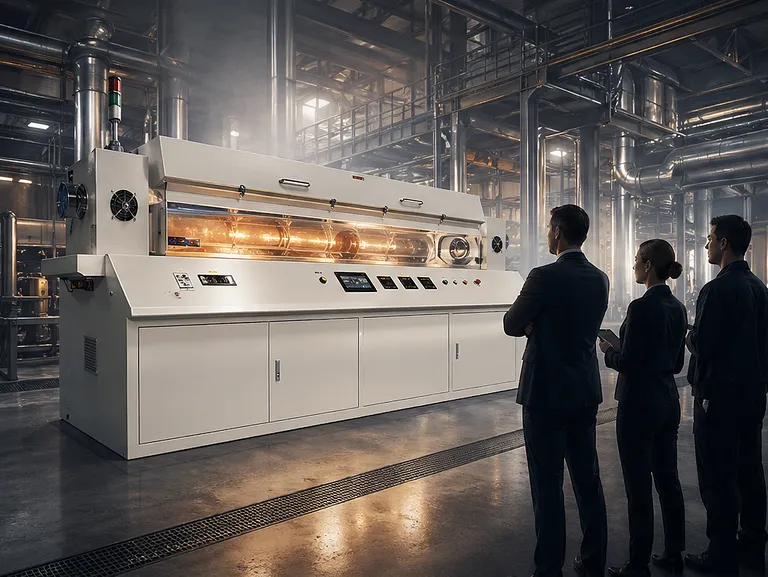
It's a frustratingly common scenario. Your rotary furnace process, which looked perfect on paper, is failing in practice. One batch is perfect, the next is contaminated. Your energy costs are spiraling, but your output is inconsistent. You've spent weeks tweaking parameters, and your team is starting to point fingers at the fuel source. "Maybe we should switch from natural gas to furnace oil? Or would pulverized coal be more cost-effective?"
If this sounds familiar, you're not alone. But you're also caught in a trap that costs laboratories and industrial plants countless hours and dollars.
Chasing Symptoms: Why Changing Fuels Isn't the Answer
When a thermal process goes wrong, fuel is an easy target. It's a major cost and a visible part of the operation. The logical next step seems to be to try a different one.
This leads to a predictable, and often failed, cycle of "solutions":
- You switch from clean-burning natural gas to a cheaper liquid fuel to save on costs, only to find your final product is now contaminated with combustion byproducts.
- You move from oil to pulverized coal to maximize thermal energy for a bulk process, but you lose the fine temperature control needed, leading to ruined batches of a more sensitive material.
- You invest in new burners, adjust flow rates, and recalibrate sensors, yet the core problem of inconsistent results persists.
Each "fix" only addresses a symptom, not the disease. The business consequences are severe: valuable materials are wasted, project timelines are delayed, and the inability to produce a consistent, quality product threatens your operational credibility. The core issue isn't that you're using the "wrong" fuel; it's that you're starting from the wrong place entirely.
The Real Culprit: You're Asking the Wrong Question
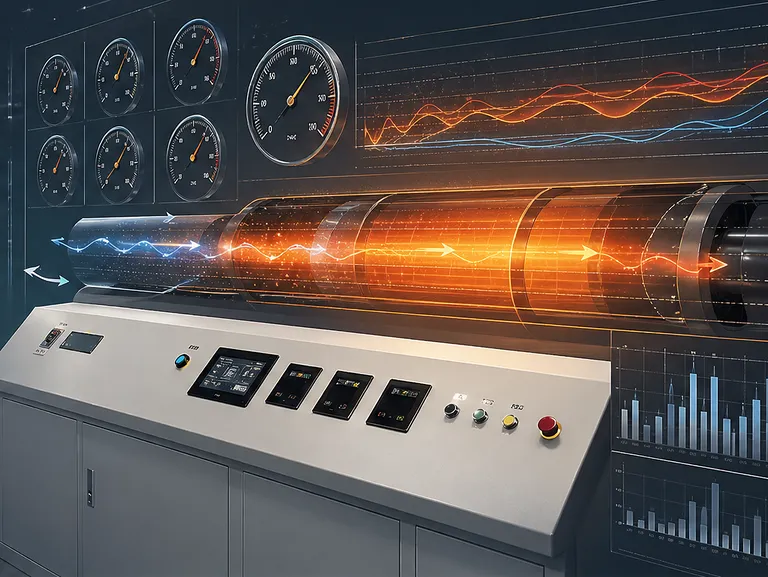
The critical turning point comes when you realize that "What fuel should I use?" is the wrong question to ask first.
A rotary furnace's greatest strength is its flexibility. It's not designed for one specific fuel; it's designed to adapt. This means the fuel is not the starting point of your process design—it's one of the final outputs.
From Fuel-First to Process-First Thinking
The real driver of your success is a deep understanding of two things:
- Your Material: What are its physical and chemical properties? Does it become sticky at high temperatures? Is it a fine powder or a coarse scrap?
- Your Goal: What is the desired outcome? Are you aiming for the precise calcination of a specialty chemical, which requires exquisite temperature control and purity? Or are you performing a bulk reduction of metallurgical dross, where raw thermal energy and cost-efficiency are paramount?
The "solutions" mentioned earlier failed because they created a mismatch. Switching to cheap coal for a process that required precision was like using a sledgehammer for watch repair. Using a different liquid fuel without considering its chemical byproducts for a high-purity application was destined to cause contamination.
The root cause of failure is not the fuel itself, but a fundamental conflict between the tool you've chosen (the fuel and heating system) and the job you need to do (your specific process goal).
Designing the Process, Not Just Picking the Part
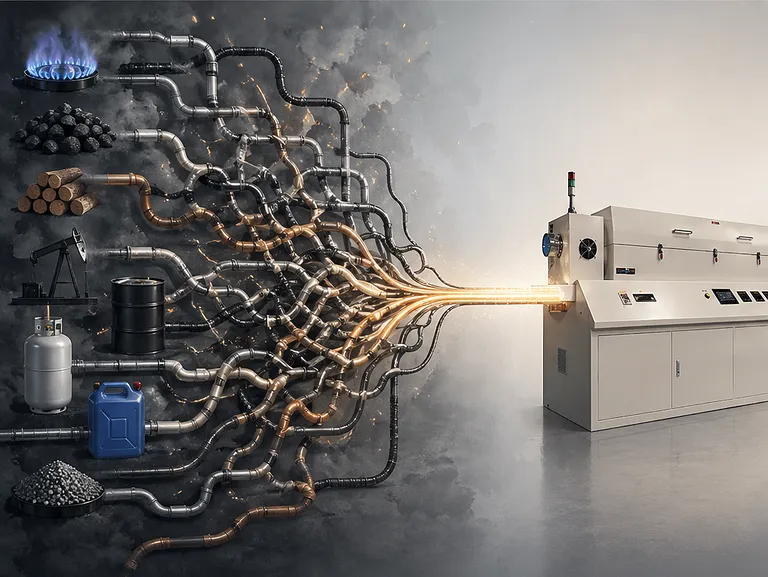
To escape this cycle of trial and error, you must adopt a systems-level approach. The goal is to design a complete, integrated thermal process where the furnace, the material handling, and the fuel system all work in harmony to achieve a specific outcome.
This is where the right equipment, guided by the right expertise, becomes critical. You need a system that is not only flexible but intelligently designed to support your actual process goals.
The Right Tool for a Well-Defined Job
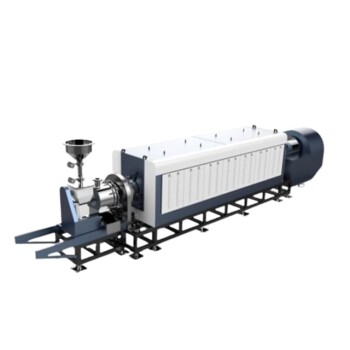
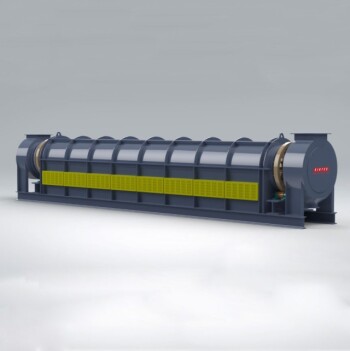
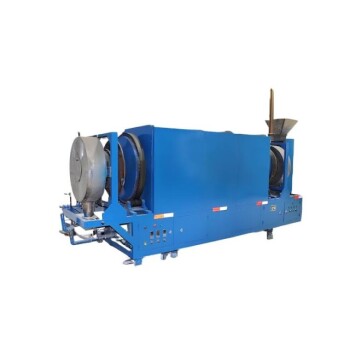
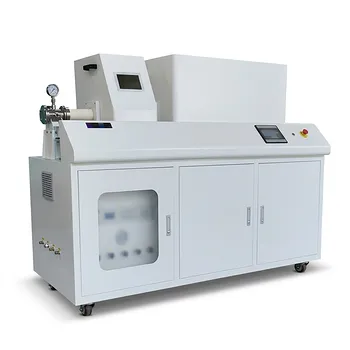
At KINTEK, we understand that a rotary furnace is more than just a heated tube. It's the heart of your thermal process. That's why our approach goes beyond simply selling equipment. We help you build a complete solution.
Our rotary furnace systems are engineered for true adaptability, featuring advanced burner and control systems capable of handling gaseous, liquid, or solid fuels with precision. But the real value lies in our expertise to help you:
- Define the Goal First: We work with you to clarify your primary objective, whether it's purity, cost-efficiency, or specific chemical reactions.
- Analyze the Material: We help you assess your material's behavior under heat to avoid common pitfalls like agglomeration, which can halt your entire operation.
- Engineer the Solution: Based on your material and goals, we help you configure the ideal system—selecting the right furnace design, the appropriate refractory lining, and the optimal fuel delivery and control system that directly serves your process.
Instead of just selling you a part, we partner with you to build the right process from the ground up, eliminating the guesswork and ensuring your fuel choice is a strategic decision, not a shot in the dark.
Beyond Fixing Problems: Mastering Your Thermal Process
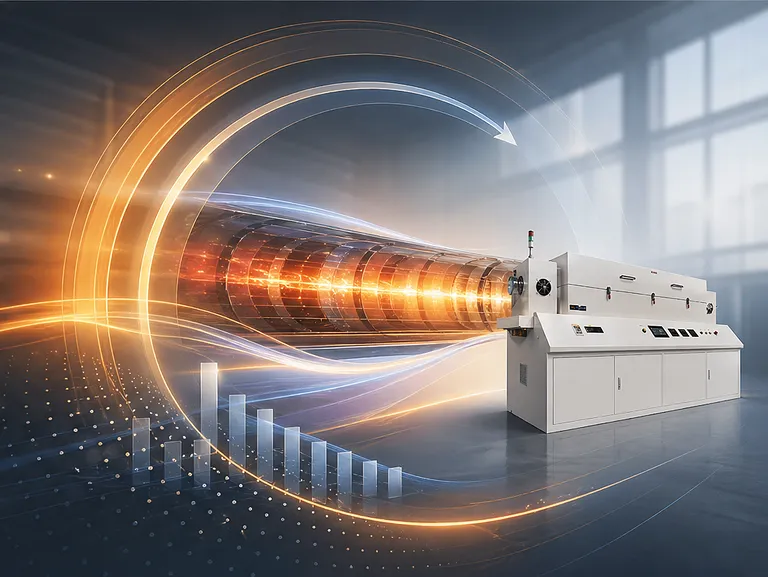
When you shift from "fuel-first" to "process-first" thinking, you do more than just solve an inconsistency problem. You unlock a new level of operational capability. The furnace is no longer a source of frustration but a powerful, versatile tool for innovation and efficiency.
With a process-driven approach, you can:
- Accelerate R&D: Confidently test new materials and processes, knowing you can systematically adapt the furnace parameters for optimal results.
- Optimize for Every Batch: Intelligently switch between fuel types based on material requirements and fluctuating energy costs, without ever compromising product quality.
- Scale with Confidence: Transition seamlessly from lab-scale trials to full-scale production, because your process is built on a foundation of sound engineering principles.
Stop letting the wrong questions dictate your operational success. It's time to move beyond the frustrating cycle of trial and error and master your thermal processing. If you're ready to transform your rotary furnace from a problem area into a competitive advantage, our team is here to help you design the right process for your unique challenge. Let's build a solution that delivers consistency, efficiency, and quality, batch after batch. Contact Our Experts.
Related Products
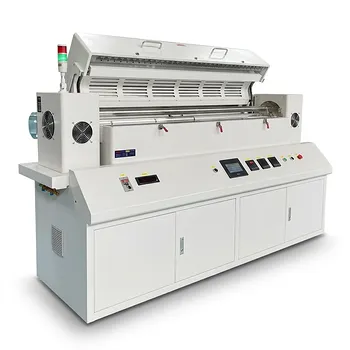
- Rotary Tube Furnace Split Multi Heating Zone Rotating Tube Furnace
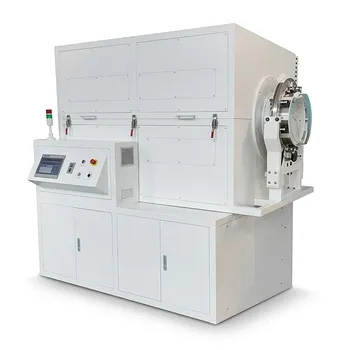
- Laboratory Vacuum Tilt Rotary Tube Furnace Rotating Tube Furnace
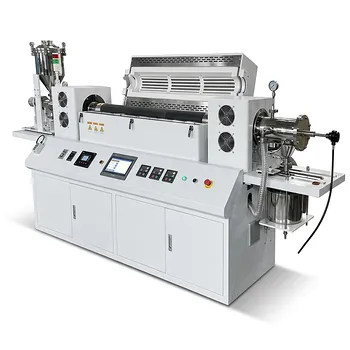
- Vacuum Sealed Continuous Working Rotary Tube Furnace Rotating Tube Furnace
- Electric Rotary Kiln Small Rotary Furnace for Activated Carbon Regeneration
- Electric Rotary Kiln Small Rotary Furnace Biomass Pyrolysis Plant
Related Articles
- The Geometry of Heat: Why Motion Matters in Material Synthesis
- Exploring the Advantages of Rotary Tube Furnaces in Industrial and Laboratory Applications
- The Physics of Perfection: How Rotary Furnaces Eliminate Randomness in Material Processing
- Exploring the Functions and Advantages of Rotary Tube Furnaces
- The Geometry of Heat: Engineering the Perfect Thermal Environment