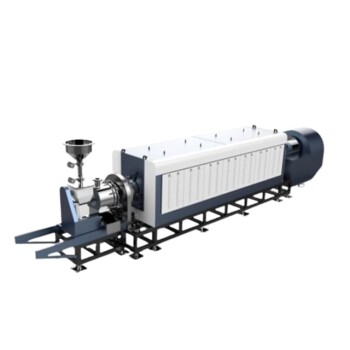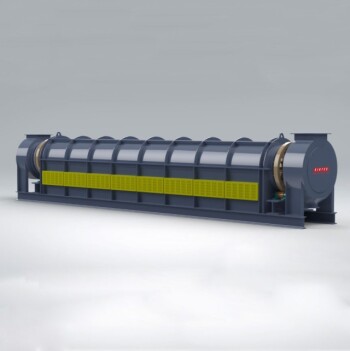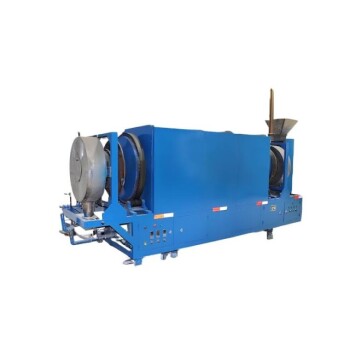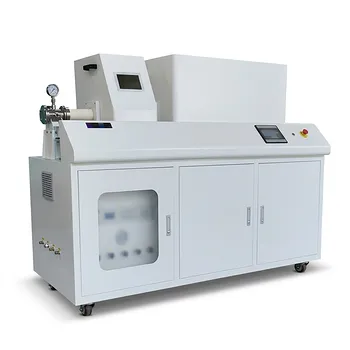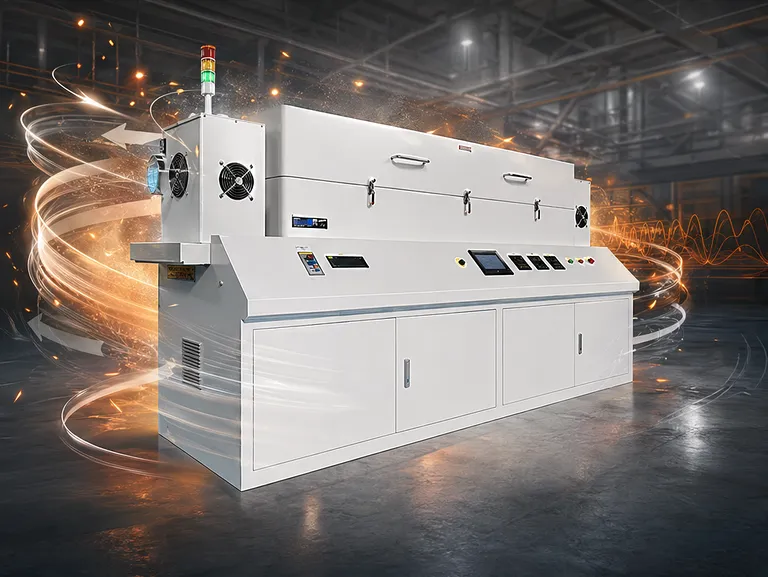
You made a significant investment in a rotary furnace, believing it was the key to achieving perfectly uniform, high-quality material processing. Yet, the reality feels frustratingly different. You open the furnace after a run, expecting to find your valuable, carefully engineered powders or crystals. Instead, you find dust, fractured particles, and an unacceptable level of product loss.
The machine promised consistency, but it's delivering expensive failures. You're left staring at a ruined batch, wondering how the very tool meant to ensure quality has become the primary source of its destruction.
The Vicious Cycle: Fighting Your Own Equipment
If this scenario sounds familiar, you are not alone. Across countless labs and production facilities, teams are locked in a constant battle with the very equipment they rely on. This struggle manifests in predictable ways:
- Endless "Tweaking": You experiment with lower rotation speeds, hoping to reduce damage, only to find that it compromises the temperature uniformity you needed in the first place.
- Constant Maintenance: Your team spends more time lubricating gears, aligning rollers, and replacing worn-out seals than they do on actual research or production. Weekend and emergency maintenance become a regular occurrence.
- Budget Overruns: The costs pile up relentlessly. It’s not just the energy bills from poor thermal efficiency; it's the frequent, expensive replacement of the internal refractory lining worn down by abrasion. It's the cost of entire batches of scrapped material.
These aren't just technical annoyances; they are significant business problems. Project timelines are derailed. R&D costs balloon. Worst of all, you can't guarantee the quality and integrity of your final product, putting contracts and your company's reputation at risk. You're spending all your resources treating symptoms, without ever curing the disease.
The Root Cause: When Mechanical Mixing Becomes Mechanical Destruction
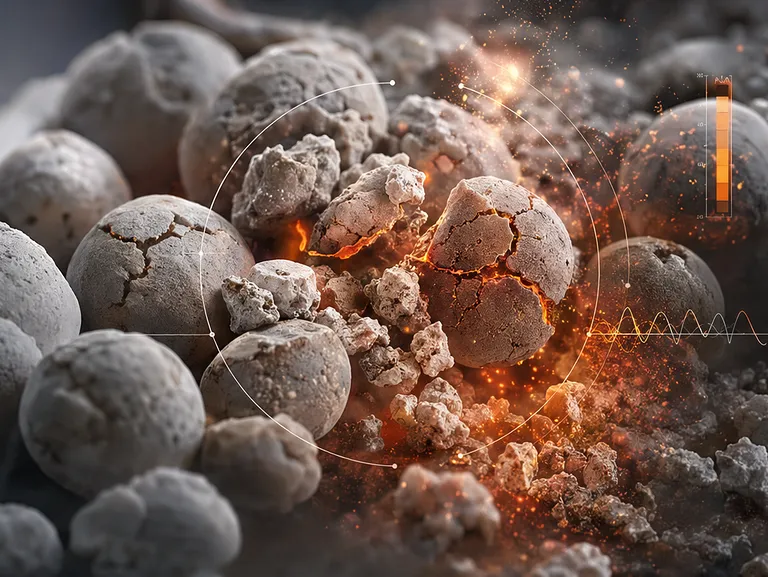
The turning point comes when you stop asking, "How can we fix our rotary furnace?" and start asking, "Is a rotary furnace the right tool for this job at all?"
The problem is baked into its fundamental design. A rotary furnace achieves mixing and heat transfer through one primary action: aggressive, continuous tumbling.
Imagine you need to mix a batch of delicate eggshells with heavy marbles. Tossing them together in a spinning drum—a rock tumbler—is a guaranteed way to pulverize the eggshells. A rotary furnace applies this same indiscriminate force to everything. Its core strength—powerful mechanical mixing—is also its greatest weakness.
For robust materials like gravel or certain metal ores, this is acceptable. But for a vast range of modern materials—engineered ceramics, delicate crystals, coated particles, or any friable substance—this tumbling action is not processing. It is a destruction process.
This is why your "fixes" fail. They are attempts to negotiate with a fundamental mismatch between the tool and the material. You are trying to make a hammer do the delicate work of a paintbrush.
The Real Solution: Choosing Precision Over Brute Force
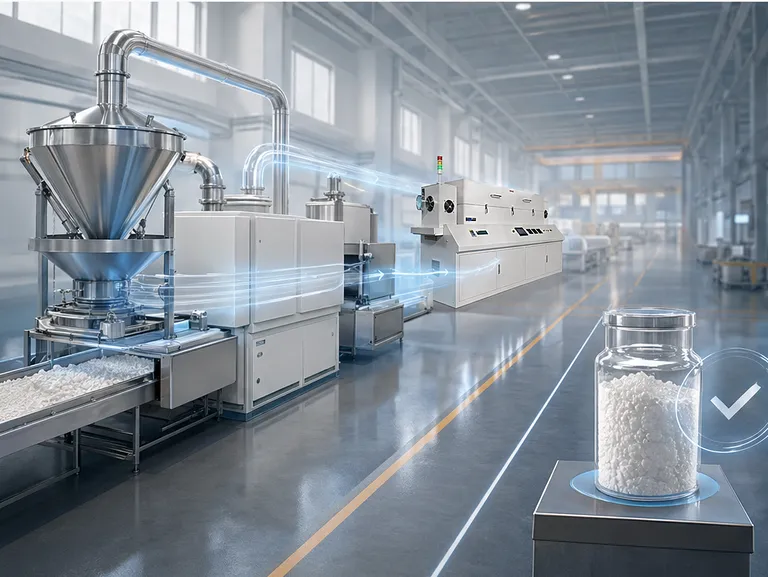
To truly solve this problem, you don't need a better rotary furnace. You need a different approach altogether—one that prioritizes the integrity of your material above all else. You need a thermal solution that delivers exceptional temperature uniformity without the destructive force of tumbling.
This is where a deep understanding of thermal processing options becomes your greatest asset. Instead of forcing a single, aggressive method to work, the solution is to select equipment designed for the task. For materials sensitive to abrasion and impact, this almost always means moving to a static furnace design.
At KINTEK, we specialize in guiding our clients to the right equipment for their specific application. We see firsthand how a switch to the correct tool transforms a process from a source of frustration into a competitive advantage. Here’s how a tailored static furnace solution directly addresses the root causes of rotary furnace failure:
- Eliminates Material Degradation: A high-performance box or static bed furnace heats your material without any mechanical tumbling. This preserves particle structure, shape, and size, ensuring your final product meets spec every single time.
- Drastically Reduces Maintenance: With no motors, gears, rollers, or rotating seals, the maintenance burden virtually disappears. Uptime increases dramatically, and your team can focus on their core mission instead of acting as furnace mechanics.
- Improves Thermal & Cost Efficiency: Modern static furnaces feature superior insulation and sealed chambers, minimizing the radiant heat loss that plagues large, rotating drums. This leads to significantly lower energy consumption and a healthier operational budget.
This isn't a compromise; it's a smarter way to work. It's about choosing the precision of a scalpel over the brute force of a sledgehammer.
From Constant Repairs to Confident Innovation
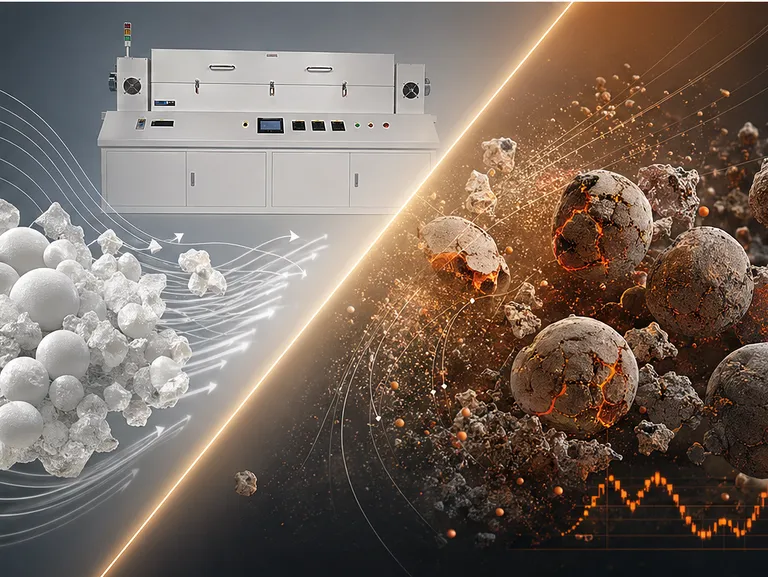
Once you are free from the constant fight with your equipment, your focus can shift from maintenance to mission. By implementing a thermal process that protects your material, you unlock new possibilities.
Now, you can confidently scale up the production of that new, high-margin fragile material that was previously impossible to process reliably. Your R&D cycle accelerates because you get clean, repeatable results on the first attempt, not the tenth. Your budget, once consumed by repairs and material waste, can be reinvested into innovation and growth. You can finally trust your process, your equipment, and your results.
Don't let the wrong equipment dictate the limits of your success. If you're tired of sacrificing material integrity for the myth of perfect mixing, it's time for a new conversation. Let's move beyond fixing a flawed process and start building a better one. Our team of experts can help you analyze your specific material challenges and identify a thermal processing solution that protects your product, your timeline, and your bottom line. Contact Our Experts.
Related Products
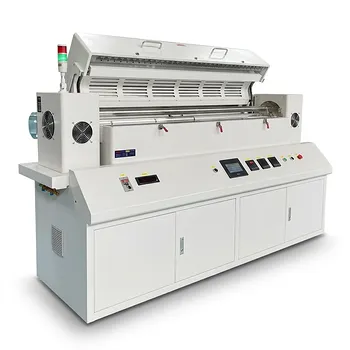
- Rotary Tube Furnace Split Multi Heating Zone Rotating Tube Furnace
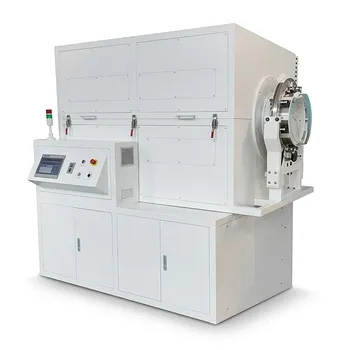
- Laboratory Vacuum Tilt Rotary Tube Furnace Rotating Tube Furnace
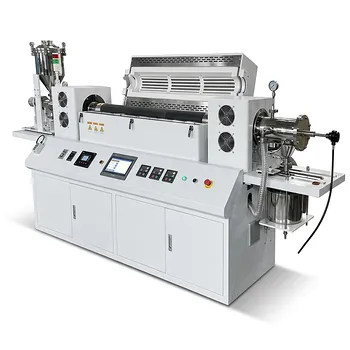
- Vacuum Sealed Continuous Working Rotary Tube Furnace Rotating Tube Furnace
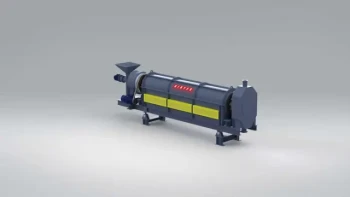
- Electric Rotary Kiln Small Rotary Furnace for Activated Carbon Regeneration
- Electric Rotary Kiln Small Rotary Furnace Biomass Pyrolysis Plant
Related Articles
- The Geometry of Heat: Why Motion Matters in Material Synthesis
- Exploring the Functions and Advantages of Rotary Tube Furnaces
- The Physics of Perfection: How Rotary Furnaces Eliminate Randomness in Material Processing
- Exploring Rotary Tube Furnaces: A Comprehensive Guide
- The Geometry of Heat: Engineering the Perfect Thermal Environment