Electro-kinetic remediation systems function by establishing an electric field within contaminated soil using electrodes placed at specific intervals. By applying a low-intensity direct current, the system forces heavy metal ions to migrate through the soil matrix, concentrating them at the electrode regions (anode or cathode) for extraction and subsequent processing in electrolytic cell units.
Core Takeaway: This technology addresses the specific challenge of remediating compact, low-permeability soils where traditional hydraulic washing fails. It utilizes electricity to mobilize and gather dispersed heavy metals into concentrated zones, making capture and treatment significantly more efficient.
The Mechanism of the Electrode System
Establishing the Driving Force
The foundation of this remediation strategy is the electrode system. Electrodes are inserted directly into the contaminated ground at opposite ends of the target area.
By applying low-intensity direct current, these electrodes create an electric field across the soil. This field acts as the primary engine that drives the movement of contaminants.
Three Modes of Transport
The applied current facilitates the movement of heavy metals through three distinct physical processes defined in the system.
Electromigration refers to the movement of charged ions toward the electrode of opposite charge. This is the primary driver for ionic metal contaminants.
Electro-osmotic flow involves the movement of the soil pore fluid itself. As the fluid moves toward the cathode, it carries dissolved contaminants along with it.
Electrophoresis is the movement of charged particles or colloids. This mechanism helps transport heavy metals that are bound to soil particles rather than dissolved in solution.
The Function of Electrolytic Cell Units
Concentration at the Poles
As the current runs, heavy metals that were previously dispersed throughout the soil begin to migrate. They travel across the soil matrix and accumulate near the cathode or anode regions.
This migration transforms a diffuse, hard-to-reach contamination problem into a localized, concentrated one.
Collection and Treatment
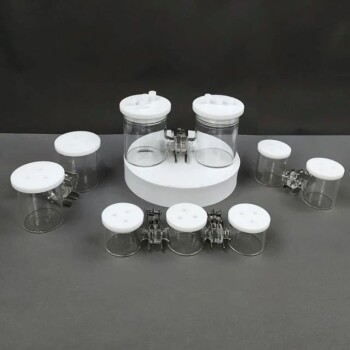
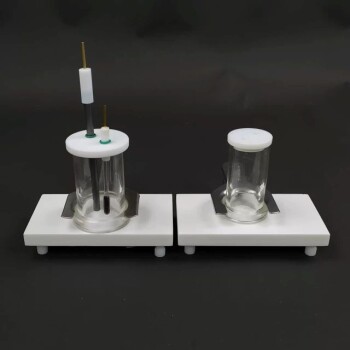
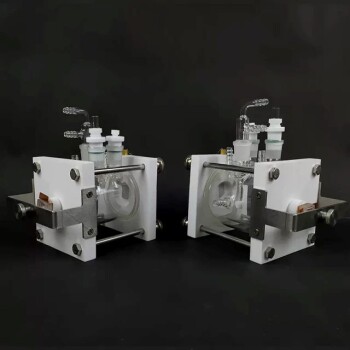
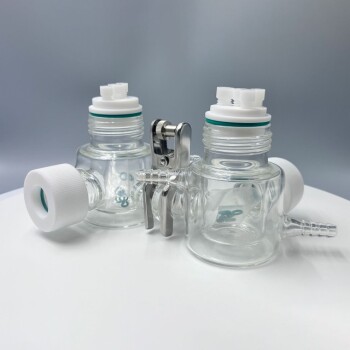
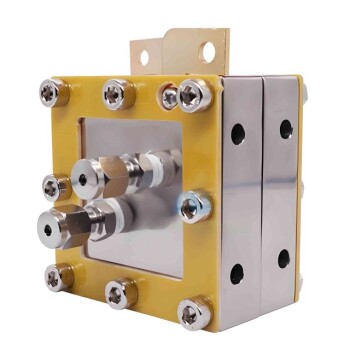
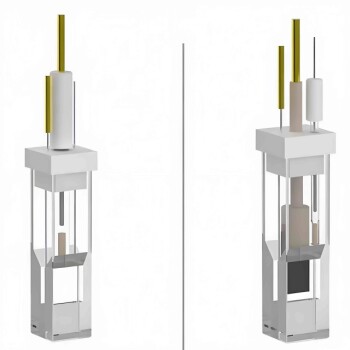
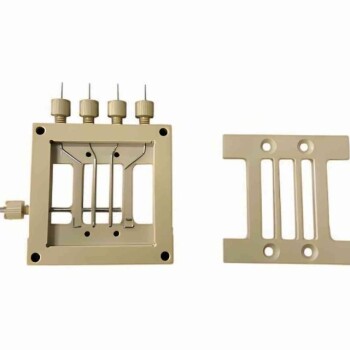
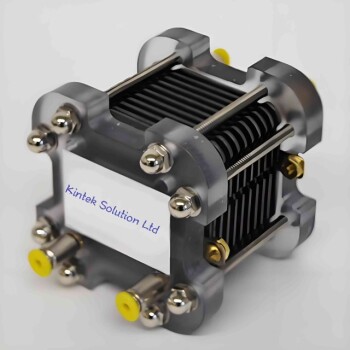
Once the heavy metals are concentrated at the electrode regions, electrolytic cell units come into play. These units are responsible for the collection and subsequent treatment of the accumulated metals.
By processing the concentrated contaminants, these units ensure that the metals are permanently removed from the ecosystem rather than just redistributed.
Understanding the Operational Context
The Challenge of Compact Soils
The primary reference highlights a critical limitation of traditional remediation methods like hydraulic washing: they are often ineffective in low-permeability or compact soils.
In dense soils like clay, water cannot flow freely enough to wash out contaminants.
The Electro-Kinetic Advantage
Electro-kinetic systems bypass the need for high hydraulic permeability. Because the driving force is electrical rather than hydraulic, the system can effectively move ions through tight soil structures.
This makes it the preferred solution for sites where the soil composition prevents fluid-based flushing methods.
Making the Right Choice for Your Goal
If your primary focus is treating high-permeability, sandy soil:
- Electro-kinetic systems may be unnecessary; traditional hydraulic washing is often sufficient and cost-effective for loose soils.
If your primary focus is remediating compact, clay-heavy soil:
- Electro-kinetic remediation is essential, as it uses electrical fields to move contaminants where water flow is restricted.
If your primary focus is removing dispersed, ionic heavy metals:
- Rely on the electromigration capabilities of the electrode system to concentrate these ions for efficient extraction.
Electro-kinetic remediation transforms the electrical conductivity of soil into a powerful tool for environmental cleanup.
Summary Table:
| Mechanism | Primary Action | Target Materials |
|---|---|---|
| Electromigration | Movement of charged ions to opposite electrodes | Ionic metal contaminants |
| Electro-osmosis | Movement of pore fluid toward the cathode | Dissolved contaminants |
| Electrophoresis | Movement of charged particles/colloids | Metals bound to soil particles |
| Electrolytic Cells | Collection and extraction at the poles | Concentrated heavy metals |
Optimize Your Environmental Research with KINTEK Precision
Struggling with complex soil remediation or electrochemical analysis? KINTEK specializes in high-performance laboratory equipment and consumables designed for precision and durability. Whether you are developing advanced electro-kinetic systems or conducting fundamental battery research, our comprehensive portfolio has you covered:
- Advanced Electrochemical Tools: High-quality electrolytic cells and electrodes for consistent remediation and energy research.
- Material Processing: From crushing and milling systems to high-temperature furnaces (muffle, vacuum, CVD) for sample preparation.
- Fluid & Pressure Solutions: Reliable hydraulic presses, high-pressure reactors, and autoclaves for demanding lab environments.
- Consumables: Premium PTFE products, ceramics, and crucibles to ensure contamination-free results.
Empower your laboratory with the tools that experts trust. Contact KINTEK today to discuss your specific requirements and see how our tailored solutions can accelerate your project success.
References
- Mohammed Alsafran, Kamal Usman. Principles and Applicability of Integrated Remediation Strategies for Heavy Metal Removal/Recovery from Contaminated Environments. DOI: 10.1007/s00344-022-10803-1
This article is also based on technical information from Kintek Solution Knowledge Base .
Related Products
- Electrolytic Electrochemical Cell with Five-Port
- PTFE Electrolytic Cell Electrochemical Cell Corrosion-Resistant Sealed and Non-Sealed
- Super Sealed Electrolytic Electrochemical Cell
- Double Layer Five-Port Water Bath Electrolytic Electrochemical Cell
- H Type Electrolytic Cell Triple Electrochemical Cell
People Also Ask
- How does the design of an electrochemical electrolytic cell influence the coating uniformity? Optimize Your Catalysts
- What is the correct shutdown and disassembly procedure after an experiment? Ensure Safety and Protect Your Equipment
- What are the three essential components that comprise an electrolytic cell? Key Elements of Chemical Synthesis
- How does the design of an electrolytic cell affect the production yield of ferrate(VI)? Optimize Efficiency & Purity
- What is galvanic cell or electrolytic cell? Unlock the Secrets of Electrochemical Power