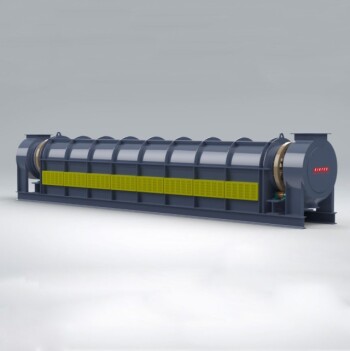
High-temperature electric furnaces facilitate the immobilization of High-Level Waste (HLW) by acting as the precise control mechanism for a two-stage crystallization process. By strictly manipulating thermal profiles, these furnaces transform waste from a glass state into a chemically stable composite ceramic matrix.
The core function of these furnaces is not merely heating, but stabilizing distinct thermal environments. This precision enables the sequential formation of nucleation centers and mineral phases, ensuring the final waste form achieves the necessary chemical durability.
The Mechanics of Thermal Control
The efficacy of HLW immobilization relies on the furnace's ability to execute a specific thermal recipe. High-temperature electric furnaces utilize precise temperature control systems to dictate the environment required for glass-ceramics.
Stage 1: The Nucleation Period
The first critical phase involves the formation of crystallization centers. To achieve this, the furnace must stabilize the internal temperature slightly above the glass transition temperature (Tg).
Maintaining this specific thermal plateau is essential. It prepares the material structure for the subsequent growth phase without prematurely triggering full crystallization or melting.
Stage 2: The Crystal Growth Phase
Once nucleation centers are established, the furnace initiates the second stage. The system raises the temperature to a higher set point designed to promote active crystal growth.
During this phase, specific mineral phases such as zircon or apatite are cultivated. This transforms the material from a pure glass state into a composite ceramic matrix.
Critical Constraints and Trade-offs
While high-temperature electric furnaces enable this advanced processing, understanding the operational constraints is vital for success.
The Necessity of Sequential Processing
The process is strictly linear. You cannot achieve a chemically stable matrix by bypassing the nucleation stage or rushing directly to high-temperature growth.
Without the initial stabilization above the glass transition temperature, the crystallization centers will not form. This would result in a less durable final product, compromising the goal of long-term waste immobilization.
Balancing Thermal Requirements
The formation of durable mineral phases like zircon and apatite requires high thermal energy. However, this energy must be applied only after the nucleation phase is complete. The trade-off for this chemical stability is the requirement for a sophisticated, multi-step thermal management system rather than a simple heating element.
Making the Right Choice for Your Goal
The successful immobilization of HLW depends on aligning furnace capabilities with the specific chemical requirements of the waste matrix.
- If your primary focus is Chemical Stability: Ensure your thermal profile reaches the specific high temperatures required to fully develop mineral phases like zircon or apatite.
- If your primary focus is Process Control: Prioritize furnace systems that offer exceptional stability slightly above the glass transition temperature (Tg) to ensure uniform nucleation.
By mastering these two thermal stages, you convert volatile high-level waste into a secure, durable ceramic composite.
Summary Table:
| Process Stage | Temperature Range | Primary Objective | Key Outcome |
|---|---|---|---|
| Stage 1: Nucleation | Slightly above Glass Transition (Tg) | Formation of crystallization centers | Prepares material structure for growth |
| Stage 2: Crystal Growth | High-temperature set point | Promotion of mineral phase growth | Formation of zircon or apatite phases |
| Final Result | Cooling phase | Chemical stabilization | Durable composite ceramic matrix |
Secure Your Nuclear Waste Research with KINTEK Precision
Achieving the chemical durability required for High-Level Waste (HLW) immobilization demands uncompromising thermal control. KINTEK specializes in providing advanced high-temperature furnaces—including muffle, tube, and vacuum systems—engineered to execute the precise two-stage nucleation and crystal growth cycles necessary for stable ceramic matrices.
Beyond heating, our comprehensive laboratory portfolio includes high-temperature high-pressure reactors, crushing and milling systems for waste preparation, and durable ceramics and crucibles to withstand rigorous thermal environments.
Ready to optimize your crystallization profiles and ensure long-term waste stability? Contact our laboratory equipment experts today to find the perfect solution for your immobilization research.
References
- S. V. Yudintsev, V. I. Malkovsky. Thermal Effects and Glass Crystallization in Composite Matrices for Immobilization of the Rare-Earth Element–Minor Actinide Fraction of High-Level Radioactive Waste. DOI: 10.3390/jcs8020070
This article is also based on technical information from Kintek Solution Knowledge Base .
Related Products
- High Temperature Muffle Oven Furnace for Laboratory Debinding and Pre Sintering
- Vacuum Heat Treat and Pressure Sintering Furnace for High Temperature Applications
- 1700℃ Laboratory High Temperature Tube Furnace with Alumina Tube
- Horizontal High Temperature Graphite Vacuum Graphitization Furnace
- 1700℃ Controlled Atmosphere Furnace Nitrogen Inert Atmosphere Furnace
People Also Ask
- Why is the annealing treatment in a high-temperature muffle furnace critical for the preparation of an Sb-SnO2 interlayer?
- What is the significance of integrating a high-temperature muffle furnace into an impact wear testing system?
- What is the primary function of high-temperature muffle or tube furnaces for ceramic coatings? Ensure Peak Durability
- What role does a high-temperature muffle furnace play in the synthesis of manganese/cobalt-modified ceramic catalysts?
- What role does a calcination furnace play in preparing hollow core-shell particles? Achieve Perfect Nano-Structures