Implementing a straight-parallel topology on stainless steel electrodes significantly enhances electrolytic performance. By machining high-precision channels into the metal, you can increase the active surface area by approximately 50 percent while simultaneously reducing electrical resistance. This modification improves efficiency by creating more reaction sites and preventing gas bubbles from insulating the conductive surface.
The core advantage of this geometric modification is twofold: it physically expands the reaction zone without increasing electrode size, and it actively manages gas dynamics to maintain consistent electrical conductivity.
The Mechanics of Enhanced Performance
Maximizing Active Surface Area
The primary driver of performance gain is geometric. By using high-precision tools to machine a straight-parallel pattern, the physical surface of the electrode is effectively expanded.
This process increases the active surface area by approximately 50 percent. This allows for a significantly higher density of electrochemical reactions to occur within the same overall physical footprint.
Improving Bubble Dynamics
In standard electrolysis, gas bubbles often adhere to the electrode surface. This straight-parallel topology is specifically designed to facilitate the rapid detachment of gas bubbles.
By preventing bubbles from "sticking," the electrode maintains better contact with the electrolyte. This ensures that the reaction proceeds smoothly without the interference of stagnant gas pockets.
Reducing Electrical Resistance
Gas bubbles that linger on an electrode act as insulators. This phenomenon, known as bubble coverage, typically causes a spike in electrical resistance.
Because the straight-parallel topology forces bubbles to detach quickly, this resistive layer is minimized. The result is a more efficient electrical path and reduced energy waste during the electrolytic process.
Understanding the Trade-offs
Manufacturing Complexity
Achieving this specific topology is not a trivial task. It requires the use of high-precision machining tools rather than standard stamping or cutting methods.
Cost vs. Efficiency
While the performance gains are clear, the production cost for these electrodes is inherently higher. You must weigh the value of a 50 percent area increase against the expense of the machining required to create it.
Making the Right Choice for Your Project
To determine if this topology is appropriate for your application, consider your specific constraints:
- If your primary focus is maximum efficiency: Invest in the straight-parallel topology to exploit the increased surface area and lower resistance for high-performance output.
- If your primary focus is manufacturing simplicity: Evaluate if standard flat electrodes are sufficient, acknowledging that you will face higher resistance due to bubble coverage.
Optimizing electrode geometry is a decisive step toward achieving higher electrolytic throughput and operational stability.
Summary Table:
| Feature | Standard Flat Electrode | Straight-Parallel Topology |
|---|---|---|
| Active Surface Area | Baseline (100%) | Increased (+50%) |
| Electrical Resistance | Higher (due to bubble coverage) | Lower (reduced insulation) |
| Gas Management | Passive / Bubbles adhere | Active / Rapid detachment |
| Manufacturing | Simple / Low cost | Complex / High-precision |
| Efficiency | Moderate | High |
Maximize Your Electrochemical Throughput with KINTEK
Are you looking to optimize your electrolysis process? KINTEK specializes in high-performance laboratory equipment, including electrolytic cells and precision electrodes tailored for cutting-edge research. Whether you need custom-machined stainless steel electrodes or advanced materials like PTFE and ceramics, our technical experts are ready to help you reduce energy waste and enhance reaction density.
From high-temperature furnaces to specialized hydraulic presses and battery research tools, we provide the precision you need for reliable results. Contact KINTEK today to discuss how our solutions can elevate your laboratory's efficiency!
References
- María José Lavorante, J. I. Franco. Straight-Parallel Electrodes and Variable Gap for Hydrogen and Oxygen Evolution Reactions. DOI: 10.1155/2019/5392452
This article is also based on technical information from Kintek Solution Knowledge Base .
Related Products
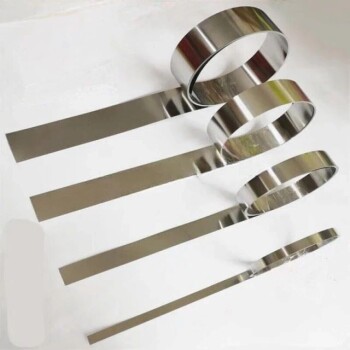
- Battery Lab Equipment 304 Stainless Steel Strip Foil 20um Thick for Battery Test
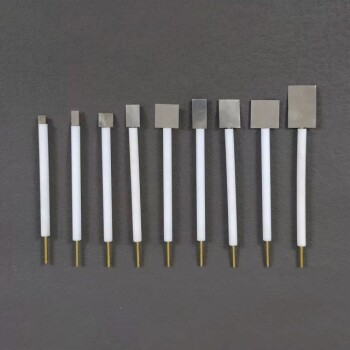
- Platinum Sheet Electrode for Laboratory and Industrial Applications
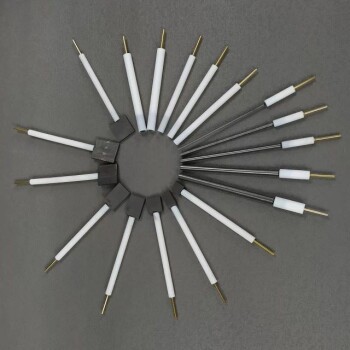
- Graphite Disc Rod and Sheet Electrode Electrochemical Graphite Electrode
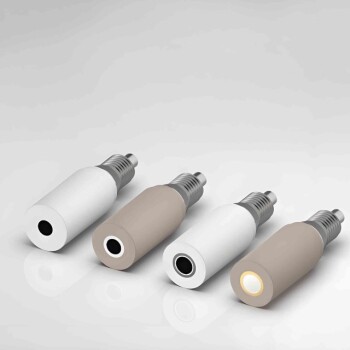
- RRDE rotating disk (ring disk) electrode / compatible with PINE, Japanese ALS, Swiss Metrohm glassy carbon platinum
- Platinum Sheet Electrode for Battery Lab Applications
People Also Ask
- How is a galvanostat used to evaluate F-rGO layers? Quantifying Protective Performance in Lithium Metal Batteries
- What is the sputtering cathode method? A Guide to Thin Film Deposition Technology
- What is sputtering target material? The Blueprint for High-Quality Thin Film Coatings
- What is organic thin film? A Guide to Engineered Molecular Layers for Advanced Tech
- What are the target materials for sputtering? From Metals to Ceramics for Precise Thin Films