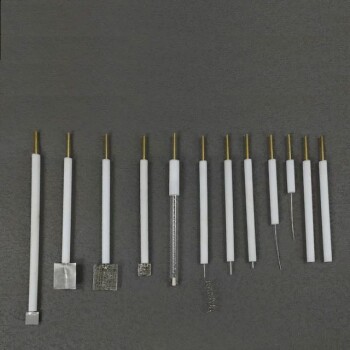
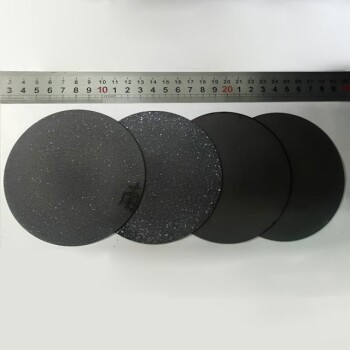
Verification is achieved through cyclic voltammetry. By utilizing an electrochemical workstation and a standard potassium ferricyanide solution, you measure the electrode's response. The definitive pass criteria requires a peak potential separation within 80mV.
While polishing visually improves the surface, electrochemical verification ensures the electrode is functionally active. A peak potential separation of 80mV or less in potassium ferricyanide is the standard benchmark for a successfully prepared electrode.
The Verification Standard
The Testing Method
The primary method for validating the quality of a polished electrode is cyclic voltammetry. This technique allows you to assess the electrochemical activity of the surface dynamically. It is performed using a standard electrochemical workstation.
The Indicator Solution
The test must be conducted in a standard potassium ferricyanide solution. This solution acts as a well-understood reference system for electron transfer. It provides a consistent baseline against which the electrode's performance is measured.
The Pass/Fail Criteria
The critical metric for success is the peak potential separation. You must measure the distance between the oxidation and reduction peaks on the voltammogram. If this separation is within 80mV, the electrode is considered qualified and sufficiently polished.
Post-Validation Cleaning
Sequential Solvent Baths
Once the electrode passes the 80mV threshold, it requires immediate cleaning to remove the test solution. You must use two separate beakers for this process. The first beaker should contain anhydrous ethanol, and the second should contain deionized water.
Ultrasonic Protocol
Place the electrode into the ethanol and then the water sequentially. In each beaker, the electrode serves as the target for ultrasonic cleaning. This ensures microscopic contaminants are removed from the newly polished surface.
Drying and Storage
After the ultrasonic bath, remove the electrode. Blow it dry thoroughly to prevent water marks or contamination. The electrode is now ready for experimental use or storage.
Common Pitfalls to Avoid
The Risk of Over-Cleaning
While ultrasonic cleaning is effective, it is aggressive. You must limit the ultrasonic duration to a maximum of 10 seconds per solution. Exceeding this time limit can damage the delicate surface structure you just worked to perfect.
Ignoring the 80mV Limit
It is tempting to accept an electrode with a separation slightly above 80mV to save time. However, this indicates sluggish electron transfer kinetics. Using an electrode that has not met this standard will compromise the reproducibility of your subsequent data.
Ensuring Experimental Reliability
To ensure your electrochemical data is valid, adhere to these strict protocols:
- If your primary focus is Data Accuracy: Reject any electrode with a peak potential separation greater than 80mV, as this indicates an imperfect surface.
- If your primary focus is Electrode Longevity: Strictly adhere to the 10-second limit during ultrasonic cleaning to avoid pitting or degrading the polished surface.
A disciplined verification process is the only way to transform a polished piece of metal into a precision measurement tool.
Summary Table:
| Verification Metric | Standard Requirement | Procedure Detail |
|---|---|---|
| Primary Test Method | Cyclic Voltammetry | Use an electrochemical workstation |
| Indicator Solution | Potassium Ferricyanide | Provides a consistent baseline |
| Success Criteria | Peak Potential Separation | ≤ 80mV |
| Ultrasonic Cleaning | Ethanol & Deionized Water | Max 10 seconds per solution |
Precision Results Start with Quality Surfaces
Ensure the integrity of your electrochemical research with KINTEK’s specialized laboratory solutions. From high-performance electrolytic cells and electrodes to advanced battery research tools, we provide the precision equipment needed to meet the strictest experimental standards.
Why choose KINTEK?
- Expertise in Electrochemistry: High-quality electrodes and consumables designed for low resistance and high durability.
- Comprehensive Lab Support: We offer everything from CVD/PECVD furnaces to hydraulic pellet presses and cooling solutions.
- Uncompromising Accuracy: Our tools are built to help you achieve the 80mV benchmark every time.
Don't let subpar equipment compromise your data accuracy. Contact KINTEK today to equip your lab with professional-grade tools!
Related Products
- Reference Electrode Calomel Silver Chloride Mercury Sulfate for Laboratory Use
- Metal Disc Electrode Electrochemical Electrode
- RRDE rotating disk (ring disk) electrode / compatible with PINE, Japanese ALS, Swiss Metrohm glassy carbon platinum
- Rotating Platinum Disk Electrode for Electrochemical Applications
- Platinum Sheet Electrode for Battery Lab Applications
People Also Ask
- What is the function of a reference electrode? Master Precision in Three-Electrode Reactor Reconstruction
- What is the recommended maintenance for the filling solution of a reference electrode? A Guide to Stable & Accurate Readings
- Which electrode is used as a ground reference? Master the Key to Accurate Electrochemical Measurements
- What is the reference electrode in potentiometry? The Key to Stable & Accurate Measurements
- Which electrode is used as a reference? A Guide to Accurate Electrochemical Measurements