Chemical Vapor Deposition (CVD) is a premier deposition method primarily distinguished by its ability to produce solid materials of exceptional purity and density. By utilizing gaseous reactants, the process can deposit a vast array of metallic and non-metallic elements, achieving purity levels ranging from 99.99% to 99.999% and material densities close to 100%.
The core value of CVD lies in its combination of material quality and geometric flexibility. It is the definitive choice for applications requiring high-purity, high-density coatings on complex, irregular shapes where traditional line-of-sight methods fail.
Achieving Superior Material Integrity
The primary driver for choosing CVD is the uncompromising quality of the resulting material.
Exceptional Purity and Density
Based on the use of gaseous reactants, CVD allows for precise control over the chemical composition of the deposited film. This results in ultra-high purity levels (up to 99.999%), which are critical for semiconductor and advanced industrial applications. Furthermore, the process produces materials with a density near 100%, ensuring robust structural integrity.
Handling Diverse Melting Points
CVD is uniquely capable of forming materials that have low dry melting points. This capability extends the range of usable substrates and coating materials beyond what many thermal deposition processes can handle without damaging the base material.
Coating Complex Geometries
Unlike Physical Vapor Deposition (PVD), which often relies on a direct line of sight, CVD is driven by chemical reactions in the gas phase.
Non-Line-of-Sight Deposition
Because the reactants are gases, they flow around and coat every exposed surface of the substrate. This allows CVD to effectively coat complex, nonuniform shapes, including deep recesses and three-dimensional structures.
Uniform Step Coverage
The process excels at maintaining uniform thickness across irregular surfaces. It provides excellent coverage on difficult geometries, such as tiny cylinders or carbon nanotubes, ensuring that the coating is consistent regardless of the surface topography.
Process Versatility and Control
CVD offers engineers significant flexibility in how coatings are created and controlled.
A Wide Range of Materials
The method is highly versatile, capable of depositing most metals and non-metals, including carbon, silicon, carbides, nitrides, and oxides. It allows for the fabrication of diverse structures ranging from thin films and powders to fibers and nanostructures like quantum dots and diamonds.
Precision and Customization
Operators can finely tune the resulting film thickness by adjusting simple variables such as temperature, duration, and power. The process also supports codeposition, allowing different materials to be deposited simultaneously to create unique alloy compositions or composite structures.
Understanding the Operational Requirements
While CVD offers significant advantages, it is essential to consider the operational context to ensure it fits your manufacturing environment.
Equipment Complexity
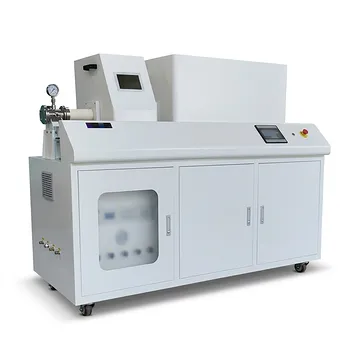
The process typically requires a controlled environment, often involving a vacuum chamber to manage pressure and reactant flow. This necessitates specialized equipment to vaporize source materials and maintain the necessary reaction conditions.
Thermal and Chemical Factors
CVD relies on chemical changes, often utilizing heat, plasma, or high pressure to break down source materials. Consequently, the substrate must be able to withstand the specific processing environment, though variations like Plasma-Enhanced CVD (PECVD) can offer lower-temperature alternatives.
Making the Right Choice for Your Goal
When deciding if CVD is the correct solution for your project, align your primary requirements with the process's strengths:
- If your primary focus is Material Purity: CVD is ideal, offering purity levels up to 99.999% and near-theoretical density for critical components.
- If your primary focus is Complex Geometry: Choose CVD for its non-line-of-sight capability, ensuring uniform coating on intricate, uneven, or hidden surfaces.
- If your primary focus is Versatility: Leverage CVD to deposit a vast array of materials, from metals to ceramics and nanostructures, tailored to specific thickness requirements.
CVD remains the industry standard for scenarios where the compromise between coating uniformity and material quality is not an option.
Summary Table:
| Advantage | Key Benefit | Technical Highlight |
|---|---|---|
| Material Purity | 99.99% to 99.999% | Uses high-purity gaseous reactants for ultra-clean films. |
| Geometric Flexibility | Non-line-of-sight coating | Uniformly coats 3D shapes, deep recesses, and nanotubes. |
| Material Density | Near 100% theoretical density | Ensures robust structural integrity and low porosity. |
| Process Versatility | Multi-material deposition | Handles metals, carbides, nitrides, and oxides effortlessly. |
| Customization | Precise thickness control | Adjustable via temperature, duration, and power settings. |
Elevate Your Material Research with KINTEK Precision Solutions
Unlock the full potential of Chemical Vapor Deposition with KINTEK’s industry-leading laboratory equipment. Whether you are developing semiconductors, advanced ceramics, or nanostructures, our high-performance CVD and PECVD systems provide the thermal stability and vacuum precision required for 99.999% purity results.
Why choose KINTEK?
- Comprehensive Range: From high-temperature tube and vacuum furnaces to advanced CVD/MPCVD systems.
- Total Lab Support: We provide everything from crushing and milling systems to high-pressure reactors and essential consumables like crucibles and PTFE products.
- Expert Engineering: Tailored solutions for battery research, material science, and precision dental applications.
Ready to achieve uncompromising coating uniformity? Contact our technical experts today to find the perfect system for your application!
Related Products
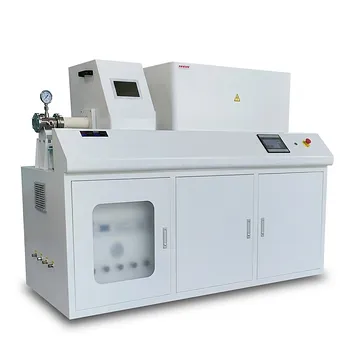
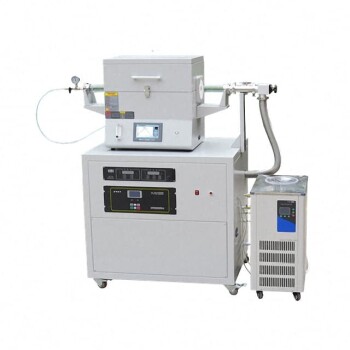
- Chemical Vapor Deposition CVD Equipment System Chamber Slide PECVD Tube Furnace with Liquid Gasifier PECVD Machine
- Customer Made Versatile CVD Tube Furnace Chemical Vapor Deposition Chamber System Equipment
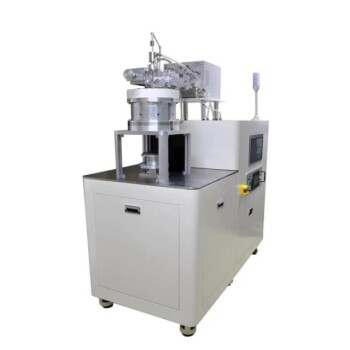
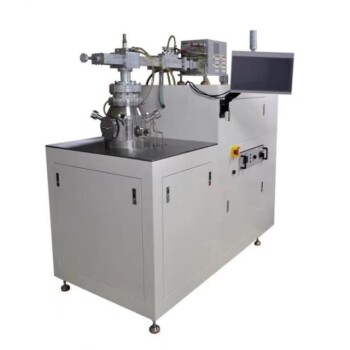
- Microwave Plasma Chemical Vapor Deposition MPCVD Machine System Reactor for Lab and Diamond Growth
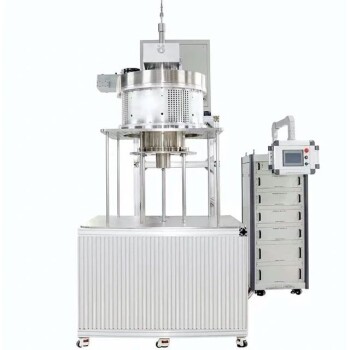
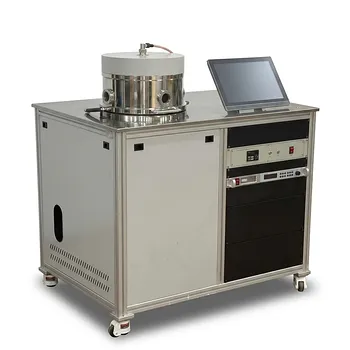
- 915MHz MPCVD Diamond Machine Microwave Plasma Chemical Vapor Deposition System Reactor
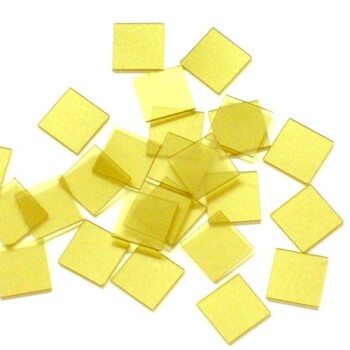
- Custom CVD Diamond Coating for Lab Applications
People Also Ask
- What are the advantages of chemical vapor deposition? Achieve Superior Thin Films for Your Lab
- What types of substrates are used in CVD to facilitate graphene films? Optimize Graphene Growth with the Right Catalyst
- What is the chemical vapor deposition growth process? Build Superior Thin Films from the Atom Up
- How expensive is chemical vapor deposition? Understanding the True Cost of High-Performance Coating
- Why is Chemical Vapor Deposition (CVD) equipment uniquely suited for constructing hierarchical superhydrophobic structures?