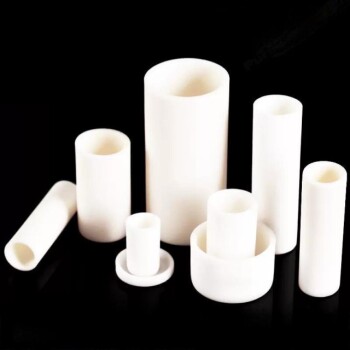
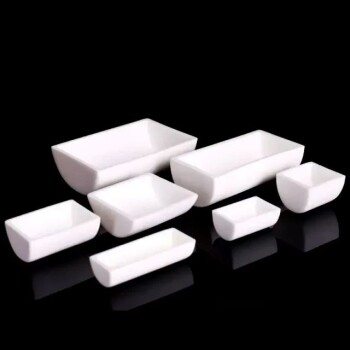
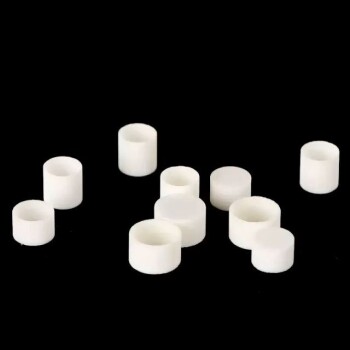
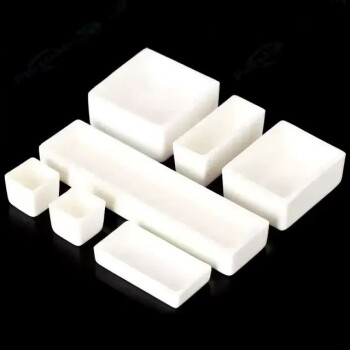
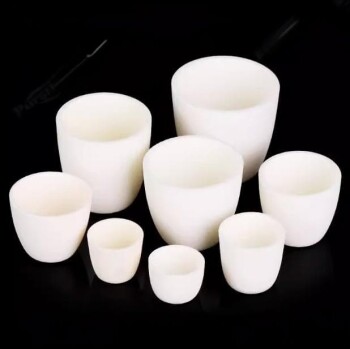
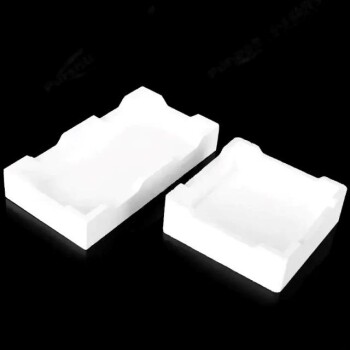
Alumina crucibles are the premier choice for handling KCl-NaCl molten salt electrolytes due to their exceptional balance of high-temperature resilience and chemical inertness. They provide a critical barrier against corrosion, ensuring that the electrolytic environment remains stable and free from external contamination.
Core Takeaway The primary value of an alumina crucible lies in its ability to prevent impurity leaching during the dehydration and melting processes. By maintaining a chemically inert environment, it ensures the purity of the ion migration path, which is essential for producing high-quality metal outputs.
The Pillars of Alumina Performance
Superior Chemical Stability
When working with molten halide salts like KCl-NaCl, corrosion is a significant threat to process integrity. Alumina crucibles offer superior resistance to this corrosive environment.
Unlike lesser materials that might react with the melt, alumina remains chemically inert. This stability prevents the crucible walls from degrading and introducing foreign elements into the electrolyte.
Ensuring Electrolyte Purity
The most critical advantage of using alumina is the preservation of purity within the system. As the structural foundation of the electrolytic cell, the crucible acts as a safeguard.
By effectively preventing external impurities from entering the salt, alumina ensures that the ion migration path remains unobstructed and uncontaminated. This is particularly vital in processes where the goal is a high-purity final product, such as titanium or nickel-copper alloys.
High-Temperature Refractoriness
Molten salt electrolysis requires sustained high temperatures to function. Alumina is selected for its high refractoriness, allowing it to maintain structural integrity under intense thermal stress.
It can withstand operating temperatures of 700°C and above without suffering from erosion or deformation. This ensures the mechanical safety of the melt while the chemical reaction proceeds.
Operational Considerations and Context
While alumina is highly effective, it is important to view its role within the specific context of your purity requirements.
The Risk of Leaching: If a crucible with lower chemical stability is used, the aggressive nature of chloride molten salts will erode the container. This erosion leaches impurities into the electrolyte, which inevitably migrates to the cathode, compromising the final metal product.
Structural Role: Because the crucible serves as the physical foundation of the cell, its selection is not just about holding liquid; it is about maintaining a non-reactive geometry for the duration of the electrolysis.
Making the Right Choice for Your Goal
Selecting the correct crucible material depends on the specific constraints and objectives of your electrolytic process.
- If your primary focus is Product Purity: Alumina is essential because it prevents the leaching of impurity elements that would contaminate the ion migration path.
- If your primary focus is Process Stability: Alumina provides the necessary high-temperature refractoriness to resist erosion from corrosive salts at 700°C.
Ultimately, using alumina crucibles transforms the vessel from a simple container into an active guardian of your chemical process.
Summary Table:
| Feature | Benefit for KCl-NaCl Electrolysis |
|---|---|
| Chemical Inertness | Prevents impurity leaching and ensures a clean ion migration path. |
| High Refractoriness | Maintains structural integrity at temperatures of 700°C and above. |
| Corrosion Resistance | Safeguards against the aggressive nature of chloride molten salts. |
| Purity Preservation | Vital for high-quality final outputs like titanium or nickel-copper alloys. |
Elevate Your Electrolytic Precision with KINTEK
Ensure the highest purity for your material research and production. KINTEK specializes in premium laboratory equipment, offering high-performance alumina crucibles and ceramics specifically designed to withstand the corrosive demands of molten salt environments.
Beyond consumables, our expertise extends to a comprehensive range of high-temperature furnaces (muffle, vacuum, and atmosphere), high-pressure reactors, and specialized electrolytic cells tailored for battery research and advanced metallurgy.
Ready to optimize your lab’s efficiency and product quality? Contact us today to find the perfect solution for your high-temperature applications!
References
- Tianzhu Mu, Bin Deng. Dissolution Characteristic of Titanium Oxycarbide Electrolysis. DOI: 10.2320/matertrans.mk201616
This article is also based on technical information from Kintek Solution Knowledge Base .
Related Products
- Engineering Advanced Fine Ceramics Alumina Al2O3 Crucible With Lid Cylindrical Laboratory Crucible
- Alumina Al2O3 Ceramic Crucible Semicircle Boat with Lid for Engineering Advanced Fine Ceramics
- Engineering Advanced Fine Ceramics Alumina Crucibles (Al2O3) for Thermal Analysis TGA DTA
- Engineering Advanced Fine Alumina Al2O3 Ceramic Crucible for Laboratory Muffle Furnace
- Arc-Shaped Alumina Ceramic Crucible High Temperature Resistant for Engineering Advanced Fine Ceramics
People Also Ask
- Why are high-purity alumina crucibles used for liquid lead corrosion experiments? Ensure Data Accuracy at 550°C
- Why are alumina crucibles and mother powder essential for LATP sintering? Optimize Your Solid Electrolyte Performance
- What is the primary purpose of using alumina crucibles for LLTO ceramics? Optimize Your High-Temperature Sintering
- Why Use Alumina Crucibles & Powder Burial for NaSICON? Ensure Phase Purity and Prevent Elemental Volatilization
- Why are alumina crucibles used as containers during the tungsten diffusion coating process on diamond surfaces?