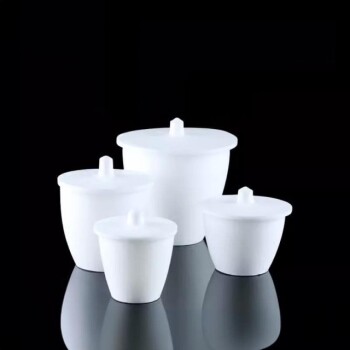
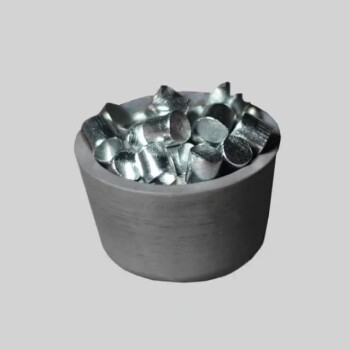
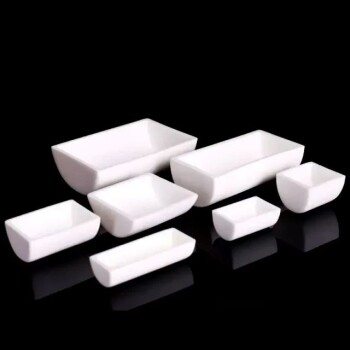
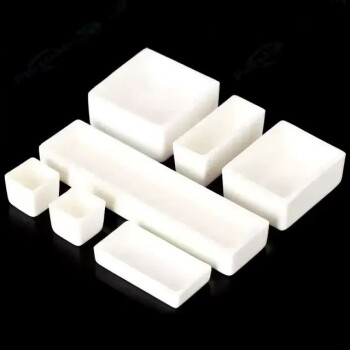
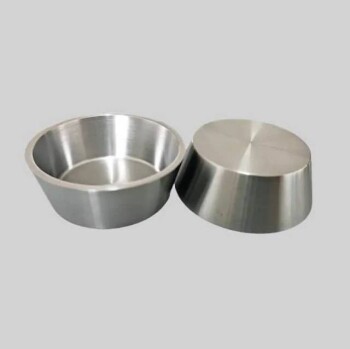
Corundum-mullite-zirconia crucibles provide a critical combination of high refractoriness, exceptional chemical stability, and robust thermal shock resistance. These properties are essential for preventing chemical erosion when melting aggressive Fe-Cr-Ni based heat-resistant alloys at high temperatures, ensuring the melt remains uncontaminated.
By resisting molten metal attack, these crucibles maintain strict chemical purity, allowing for precise control over the alloy's composition and enabling the accurate study of sensitive trace elements like boron and niobium.
Preserving Chemical Purity
Resistance to Chemical Erosion
When melting Fe-Cr-Ni alloys, the molten metal becomes highly aggressive. Corundum-mullite-zirconia crucibles are engineered to resist this chemical attack.
Unlike standard ceramics that might degrade, this composite material maintains its structural integrity. This prevents the crucible wall from eroding and releasing foreign contaminants into the melt.
Eliminating Impurity Introduction
The primary technical advantage of this stability is the prevention of impurities.
If the crucible material interacts with the melt, it alters the alloy's baseline composition. By remaining chemically inert, these crucibles ensure that the resulting ingot reflects only the intended formulation.
Thermal Performance and Stability
High Refractoriness
Fe-Cr-Ni based alloys require high melting temperatures.
The inclusion of zirconia enhances the crucible's ability to withstand these extreme conditions. This high refractoriness ensures the vessel does not soften or deform during the melting process.
Thermal Shock Resistance
Rapid temperature changes occur during melting and pouring cycles.
The corundum-mullite-zirconia composite offers significant thermal shock resistance. This prevents cracking or catastrophic failure during the heating or cooling phases, securing both the sample and the equipment.
Enabling Precise Microstructural Analysis
The Critical Role of Trace Elements
Research into heat-resistant alloys often focuses on the influence of specific trace elements, such as boron (B) and niobium (Nb).
These elements are added in minute quantities to modify the alloy's microstructure. Even slight contamination from a crucible could mask or alter the effects of these trace additions.
Ensuring Accurate Data
Because these crucibles prevent external impurities from entering the melt, researchers can isolate variables effectively.
This ensures that any observed changes in the microstructure can be confidently attributed to the B or Nb additions, rather than reactions with the crucible material.
Understanding the Operational Trade-offs
The Risk of Material Selection
While these crucibles offer superior performance, the "trade-off" is often the strict necessity of their use over cheaper alternatives.
Using a crucible with lower chemical stability is not merely a cost-saving measure; it is a technical failure point. Lower-grade crucibles will erode, leading to "noise" in chemical analysis that renders microstructural studies invalid.
Zirconia's Contribution
The zirconia component is critical for inertness, but it must be properly integrated into the composite.
Zirconia is specifically valued for its ability to remain inert even against aggressive liquid metals. Removing or reducing the zirconia content to cut costs would compromise the crucible's ability to withstand the specific chemistry of high-performance alloys.
Making the Right Choice for Your Goal
Select your crucible material based on the precision required by your application.
- If your primary focus is Research and Development: Choose corundum-mullite-zirconia to guarantee the chemical purity required for studying the effects of trace elements like boron and niobium.
- If your primary focus is High-Temperature Integrity: Rely on this composite for its ability to withstand thermal shock and prevent erosion during aggressive heating cycles.
Ultimately, the choice of crucible dictates the validity of your metallurgical data; for Fe-Cr-Ni alloys, chemical inertness is the prerequisite for success.
Summary Table:
| Feature | Technical Advantage | Benefit for Fe-Cr-Ni Alloys |
|---|---|---|
| Material Composition | Corundum-Mullite-Zirconia | High refractoriness and extreme chemical inertness |
| Chemical Stability | Resistant to erosion/attack | Prevents melt contamination and preserves chemical purity |
| Thermal Property | High Thermal Shock Resistance | Prevents cracking or failure during rapid heating/cooling cycles |
| Research Impact | Trace Element Integrity | Enables accurate study of sensitive elements like Boron and Niobium |
Elevate Your Metallurgical Precision with KINTEK
Don't let crucible erosion compromise your research data. KINTEK specializes in high-performance laboratory equipment and consumables designed for the most demanding thermal environments. Whether you are melting Fe-Cr-Ni alloys or conducting advanced microstructural analysis, our premium corundum-mullite-zirconia crucibles, ceramics, and high-temperature furnaces ensure the chemical purity and structural integrity your work requires.
From high-temperature reactors to specialized crushing and milling systems, we provide the tools needed for excellence in material science. Contact us today to optimize your lab's performance!
References
- Св. С. Квон, Е. П. Щербакова. Studying microstructure of heat-resistant alloy based on the Fe-Cr-Ni-alloying element system for manufacture of components for metallurgical equipment. DOI: 10.17580/cisisr.2023.01.14
This article is also based on technical information from Kintek Solution Knowledge Base .
Related Products
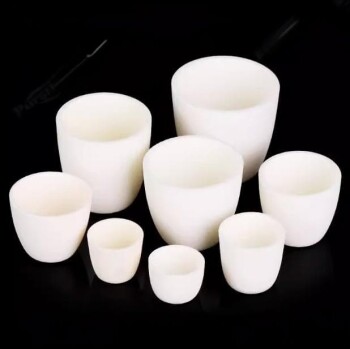
- Arc-Shaped Alumina Ceramic Crucible High Temperature Resistant for Engineering Advanced Fine Ceramics
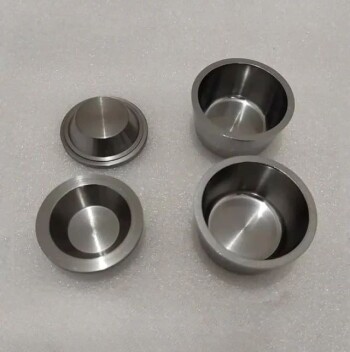
- Electron Beam Evaporation Coating Tungsten Crucible and Molybdenum Crucible for High Temperature Applications
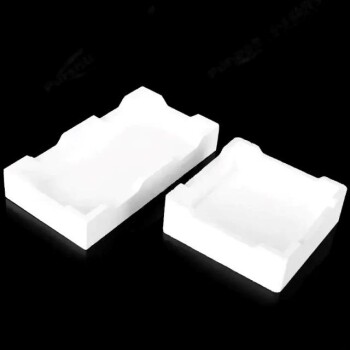
- Advanced Engineering Fine Ceramics Alumina Ceramic Saggar for Fine Corundum
- Engineering Advanced Fine Ceramics Alumina Crucibles (Al2O3) for Thermal Analysis TGA DTA
- Custom Machined and Molded PTFE Teflon Parts Manufacturer with PTFE Crucible and Lid
People Also Ask
- Why Use Alumina Crucibles & Powder Burial for NaSICON? Ensure Phase Purity and Prevent Elemental Volatilization
- What is the primary purpose of using alumina crucibles for LLTO ceramics? Optimize Your High-Temperature Sintering
- Why are alumina crucibles and mother powder essential for LATP sintering? Optimize Your Solid Electrolyte Performance
- Why are high-purity alumina crucibles used for liquid lead corrosion experiments? Ensure Data Accuracy at 550°C
- Primary considerations for choosing alumina crucibles and quartz tubes in indium intercalation: Ensure Material Purity