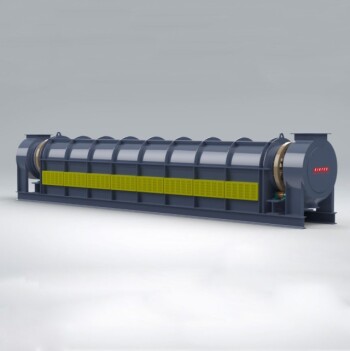
A laboratory box-type high-temperature muffle furnace acts as the definitive activation chamber for alumina hydrolysis catalysts, transforming raw precursors into functional materials. It performs the dual function of removing carbon sphere templates to create essential nanopores and driving the phase transformation of the aluminum hydroxide shell into stable gamma-Al2O3.
Core Takeaway The muffle furnace is not merely a heating device; it is a chemical reactor that dictates the catalyst's final architecture. By providing a contaminant-free, high-temperature environment, it simultaneously oxidizes organic templates to generate porosity and anchors active components to the carrier, establishing the catalyst's mechanical strength and activity.
Driving Critical Structural Transformations
Creation of Nanoporous Structures
The primary mechanical function of the furnace during calcination is the removal of sacrificial templates. For nanoporous spherical alumina catalysts, the furnace operates at temperatures high enough to burn off carbon spheres used during synthesis.
This oxidation process leaves behind voids, effectively creating the specific pore structure required for the catalyst's operation. Without this controlled removal of the template, the catalyst would lack the surface area necessary for hydrolysis reactions.
Phase Transformation to Gamma-Alumina
The furnace supplies the specific thermal energy required to alter the crystalline structure of the material. It drives the phase transformation of the aluminum hydroxide shell into gamma-Al2O3 (gamma-alumina).
This conversion is critical because gamma-alumina possesses the thermal stability and surface acidity required for catalytic applications, whereas the precursor hydroxide does not.
Anchoring Active Components
Beyond structural changes, the furnace facilitates essential chemical interactions at the molecular level. The thermal treatment promotes strong bonding between the active catalytic components and the alumina carrier.
This interaction ensures that active sites are not merely sitting on the surface but are chemically integrated. This integration prevents the peeling or leaching of active components during harsh reaction cycles.
Ensuring Performance and Stability
Establishing Mechanical Strength
The calcination process within the muffle furnace solidifies the physical integrity of the catalyst. By promoting interfacial bonding and phase crystallization, the furnace ensures the material achieves high mechanical strength.
This structural finalization allows the catalyst to withstand physical stress inside a reactor without crumbling or attrition.
Activation of Catalytic Properties
The ultimate goal of this thermal treatment is the "switch on" of catalytic activity. The furnace environment decomposes precursor salts (such as nitrates) into their active metal oxide forms.
By strictly controlling the thermal profile, the furnace ensures these oxides form the correct crystal phases required for maximum hydrolytic efficiency.
Understanding the Trade-offs
The Risk of Thermal Sintering
While high heat is necessary for activation, excessive temperatures or uncontrolled heating rates can be detrimental. Overheating in the furnace can lead to sintering, where the catalyst pores collapse and grains coarsen.
This reduces the specific surface area, effectively neutralizing the benefits gained from removing the template. Precise temperature control is required to balance activation with structural preservation.
Importance of Sample Isolation
A defining feature of the "muffle" design is that it isolates the sample from the fuel and combustion gases of the heat source. This prevents chemical contamination of the sensitive alumina surface.
However, this isolation means heat transfer relies on radiation and convection within a closed chamber, requiring careful loading to ensure uniform heat distribution across all catalyst batches.
Making the Right Choice for Your Goal
To maximize the effectiveness of your calcination process, align your furnace protocols with your specific material requirements:
- If your primary focus is optimizing pore volume: Prioritize an oxidation-rich environment and sufficient dwell time to ensure the complete removal of carbon templates without collapsing the newly formed voids.
- If your primary focus is mechanical durability: Focus on the upper limits of the calcination temperature range to maximize the phase transformation to gamma-Al2O3 and strengthen the active component-carrier interaction.
- If your primary focus is catalytic activity: Utilize programmed heating rates to ensure the uniform decomposition of precursors, preventing the agglomeration of active metal oxides.
The muffle furnace is the bridge between a chemical precursor and a viable industrial tool; its precise operation determines whether you produce a high-performance catalyst or inert ceramic dust.
Summary Table:
| Process Function | Description | Impact on Catalyst |
|---|---|---|
| Template Removal | Oxidation of carbon sphere templates | Creates essential nanoporous structures |
| Phase Transformation | Conversion of Al(OH)3 to γ-Al2O3 | Ensures thermal stability and surface acidity |
| Active Anchoring | Promoting chemical bonding at the interface | Prevents leaching and improves integration |
| Mechanical Solidification | Interfacial bonding and crystallization | Increases durability and resistance to attrition |
| Precursor Decomposition | Conversion of metal salts to active oxides | Activates the material for hydrolytic efficiency |
Elevate Your Material Research with KINTEK Precision
Don't let inconsistent thermal profiles turn your high-performance catalysts into inert dust. KINTEK specializes in advanced laboratory equipment designed for the rigorous demands of chemical synthesis and material science. Our comprehensive range of high-temperature muffle and tube furnaces provides the contaminant-free environment and precise thermal control required for the critical activation of alumina hydrolysis catalysts.
Whether you are focusing on nanopore optimization or mechanical durability, our expert-grade crushing systems, hydraulic presses, and specialized ceramics ensure your research workflow remains seamless and efficient. From battery research tools to high-pressure autoclaves, we provide the tools that turn precursors into industrial breakthroughs.
Ready to achieve superior calcination results? Contact our technical specialists today to find the perfect furnace solution for your laboratory.
References
- Xun Zhang, Rui Wang. Enabling Catalysts for Carbonyl Sulfide Hydrolysis. DOI: 10.3390/catal14120952
This article is also based on technical information from Kintek Solution Knowledge Base .
Related Products
- 1400℃ Muffle Oven Furnace for Laboratory
- 1700℃ Muffle Oven Furnace for Laboratory
- 1700℃ Laboratory High Temperature Tube Furnace with Alumina Tube
- 1400℃ Laboratory High Temperature Tube Furnace with Alumina Tube
- 1800℃ Muffle Oven Furnace for Laboratory
People Also Ask
- How does a muffle furnace ensure reliability in calcification roasting? Achieve Precision in Pellets Conversion
- Why is a laboratory high-temperature muffle furnace required for the post-annealing treatment of copper oxide?
- What role does a laboratory high-temperature muffle furnace play in iron-based composite phase structure development?
- How does a muffle furnace influence 8YSZ ceramic densification? Master Precision Sintering at 1500°C
- How is a laboratory high-temperature muffle furnace utilized in sol-gel synthesis for perovskite catalysts?