The graphite rod serves as a thermal susceptor. When testing Silicon Carbide (SiC) cladding, the material often struggles to couple directly with the electromagnetic field generated by induction coils; the graphite rod solves this by absorbing the magnetic energy, converting it into heat, and transferring that thermal energy to the surrounding SiC specimen.
Core Takeaway Silicon Carbide composites are difficult to heat directly via induction due to their specific electrical properties. By inserting a graphite rod, you create an internal heating element that allows the system to reach ultra-high temperatures (up to 1700°C) required to simulate nuclear accident conditions.
The Challenge: Heating Silicon Carbide
Electrical Conductivity Limitations
Induction heating relies on the generation of eddy currents within a conductive material. Silicon Carbide (SiC) is a semiconductor or ceramic composite.
Depending on the specific frequency of the induction equipment and the temperature of the material, SiC may not have sufficient electrical conductivity to "couple" effectively with the magnetic field.
The Consequence of Direct Heating
Attempting to heat SiC cladding directly without an intermediary often results in inefficient energy transfer.
This makes it nearly impossible to achieve the rapid, high-temperature spikes necessary for stress-testing materials meant for extreme environments.
The Solution: The Graphite Susceptor
How the Susceptor Works
The graphite rod placed inside the cladding acts as a susceptor. Graphite is highly conductive and couples easily with the induction magnetic field.
When the induction coil is activated, the magnetic field passes through the SiC (which is largely transparent to the field) and induces strong eddy currents within the graphite rod.
Energy Conversion
These eddy currents encounter resistance within the graphite, instantly generating significant thermal energy.
Effectively, the graphite rod becomes an extremely hot internal heating element, independent of the electrical properties of the SiC cladding surrounding it.
Mechanism of Thermal Transfer
From Rod to Cladding
Once the graphite rod generates heat, it transfers this energy to the external SiC cladding through two primary mechanisms: radiation and conduction.
As the rod reaches extreme temperatures, it radiates heat outward, raising the temperature of the enclosing SiC tube.
Achieving Simulation Conditions
This indirect heating method is critical for reaching specific testing benchmarks.
It allows researchers to drive the cladding temperature to 1700°C, a threshold required to simulate severe nuclear accident conditions effectively.
Understanding the Trade-offs
Indirect vs. Direct Heating
Using a susceptor means you are heating the material from the inside out, rather than generating heat within the material itself (which is true induction heating).
Thermal Gradients
Because the heat source is internal, there may be thermal gradients across the wall thickness of the cladding.
The heat must travel from the inner surface (touching or facing the rod) to the outer surface. This differs from scenarios where the environment heats the material uniformly from the outside.
Making the Right Choice for Your Goal
When designing your test setup for SiC cladding, consider the following regarding the use of a graphite susceptor:
- If your primary focus is reaching extreme temperatures (1700°C+): Rely on the graphite rod; it ensures you can hit these targets regardless of the SiC's conductivity at lower temperatures.
- If your primary focus is simulating internal fuel heat: The graphite rod is an excellent proxy, as it mimics the heat generation of fuel pellets inside the cladding during a reactor accident.
The graphite rod is the essential bridge that transforms electromagnetic potential into the thermal reality needed for high-stress material testing.
Summary Table:
| Feature | Role of Graphite Susceptor in SiC Testing |
|---|---|
| Primary Function | Converts electromagnetic energy into thermal energy (Susceptor) |
| Heat Transfer | Radiates and conducts heat from the rod to the SiC cladding |
| Max Temperature | Enables reaching ultra-high temperatures up to 1700°C |
| Simulation Goal | Mimics internal fuel heat during nuclear accident conditions |
| Advantage | Overcomes SiC's low electrical coupling at induction frequencies |
Elevate Your Material Testing with KINTEK Precision
Facing challenges with induction heating or extreme thermal simulations? KINTEK specializes in advanced laboratory solutions designed for the most demanding research environments. Whether you are testing Silicon Carbide (SiC) cladding or developing next-generation materials, our comprehensive range of high-temperature furnaces (vacuum, tube, and atmosphere), induction melting systems, and precision crucibles provides the thermal control you need.
From high-pressure reactors to crushing and milling systems, we equip scientists with the tools to simulate real-world extremes accurately. Don't let equipment limitations stall your innovation—contact KINTEK today to find the perfect thermal or laboratory solution for your project!
References
- Martin Steinbrueck, Hans J. Seifert. An Overview of Mechanisms of the Degradation of Promising ATF Cladding Materials During Oxidation at High Temperatures. DOI: 10.1007/s11085-024-10229-y
This article is also based on technical information from Kintek Solution Knowledge Base .
Related Products
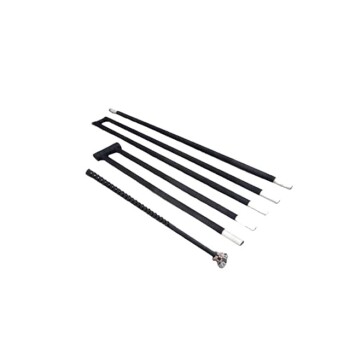
- Silicon Carbide SiC Thermal Heating Elements for Electric Furnace
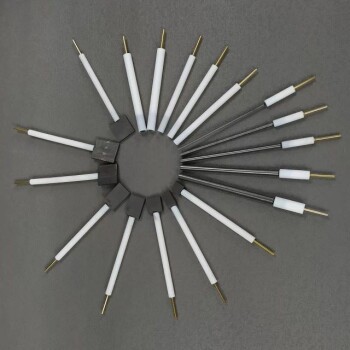
- Graphite Disc Rod and Sheet Electrode Electrochemical Graphite Electrode
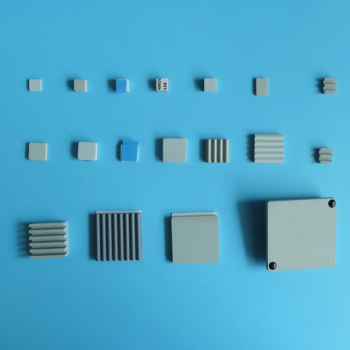
- Silicon Carbide (SIC) Ceramic Sheet Flat Corrugated Heat Sink for Engineering Advanced Fine Ceramics
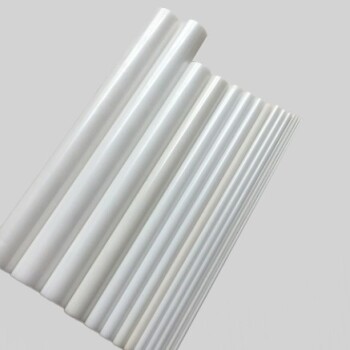
- Precision Machined Yttrium Stabilized Zirconia Ceramic Rod for Engineering Advanced Fine Ceramics
- High Purity Pure Graphite Crucible for Evaporation
People Also Ask
- What is the function of the heating element in a furnace? The Engine of Your Thermal Process
- What is the best heating element for a furnace? A Guide to Selecting the Right Material for Your Temperature Needs
- What is SiC elements? The Ultimate High-Temperature Heating Solution
- How long does a heating element last on the furnace? Understand Lifespan & Safety for Your System
- What are silicon carbide heating elements used for? Reliable High-Temp Heating for Industrial Processes