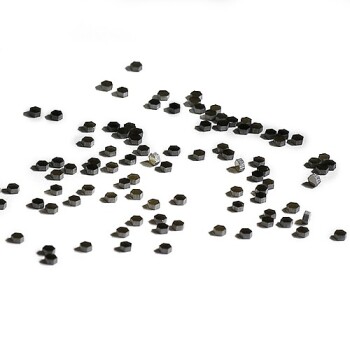
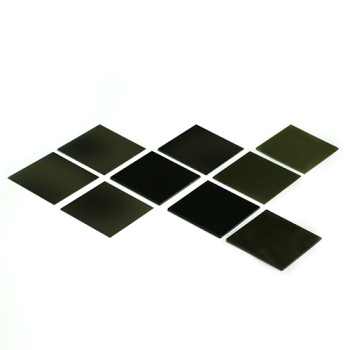
Chemical Vapor Deposition (CVD) is a sophisticated synthesis technique used to cultivate diamonds from a hydrocarbon gas mixture. Unlike geological formation or alternative synthetic methods that rely on crushing force, CVD is unique because it operates at low pressures—typically below 27 kPa—to assemble diamond structures on a molecular level.
Chemical Vapor Deposition allows for the precise growth of diamond crystals by breaking down carbon-rich gases into plasma within a vacuum chamber. This process deposits pure carbon atom-by-atom onto a seed crystal, bypassing the need for the extreme high-pressure conditions found in nature or HPHT (High-Pressure High-Temperature) manufacturing.
The Mechanism of Diamond Growth
The Low-Pressure Environment
The defining characteristic of CVD is its operating environment. While natural diamonds form under immense crushing force deep within the Earth, CVD takes place in a specialized vacuum chamber.
The process maintains a low-pressure setting, generally less than 27 kPa (0.1 MPa). This controlled vacuum is essential for managing the chemical reactions required to isolate carbon atoms without compressing them physically.
Gas Activation and Ionization
To initiate growth, the chamber is filled with a specific mixture of gases, typically a hydrocarbon like methane combined with hydrogen.
An external energy source—most commonly a microwave beam or laser—is introduced to the chamber. This energy activates the gas mixture, ionizing it into a plasma state and breaking the molecular bonds of the gases.
Atom-by-Atom Deposition
Once the gas molecules are broken down, the liberated carbon atoms diffuse toward a "seed" plate. This substrate is usually a thin slice of diamond heated to temperatures between 800°C and 1000°C.
The pure carbon atoms adhere to the cooler diamond seed, crystallizing on its surface. This accumulation happens atom by atom and layer by layer, slowly building a larger crystal structure over a period of several weeks.
Understanding the Trade-offs
Time Intensity
CVD is not an instant process. Because the diamond is constructed layer by layer at the atomic level, growing a substantial crystal takes time. The process often runs continuously for weeks to produce multiple crystals simultaneously.
Complexity of Control
While the pressure requirements are low, the chemical precision required is high. Maintaining the exact balance of gases, temperature (around 800-1000°C), and plasma stability is critical. Any fluctuation in the vacuum chamber environment can affect the quality or structure of the resulting diamond.
Implications for Diamond Production
For professionals evaluating diamond synthesis methods, the choice often depends on the desired application and available infrastructure.
- If your primary focus is safety and equipment overhead: CVD is advantageous because it avoids the dangerous and costly machinery required to generate the extreme pressures of HPHT methods.
- If your primary focus is precision and purity: CVD provides a controlled environment where the diamond is grown from a gas phase, offering high control over the chemical composition of the final crystal.
The Chemical Vapor Deposition method represents a shift from mechanical force to chemical precision, allowing us to build one of nature's hardest materials from the molecule up.
Summary Table:
| Feature | CVD Diamond Synthesis Specification |
|---|---|
| Mechanism | Atom-by-atom deposition from gas phase (plasma) |
| Operating Pressure | Low Pressure (< 27 kPa / 0.1 MPa) |
| Temperature Range | 800°C – 1000°C |
| Gas Mixture | Hydrocarbon (Methane) + Hydrogen |
| Energy Source | Microwave beam, Laser, or Hot Filament |
| Key Advantages | High purity, precise control, lower equipment stress |
Elevate Your Lab's Synthesis Capabilities with KINTEK
Are you ready to harness the precision of Chemical Vapor Deposition? KINTEK specializes in high-performance laboratory equipment designed for the most demanding research environments. Whether you are advancing diamond synthesis or thin-film research, our comprehensive range of CVD and PECVD systems, high-temperature furnaces, and vacuum solutions provides the stability and control you need for superior results.
From high-purity ceramics and crucibles to advanced cooling solutions and high-pressure reactors, KINTEK is your partner in material science innovation. Our expert team is dedicated to providing researchers and industrial professionals with durable, high-precision tools that drive discovery.
Take the next step in your research journey—Contact KINTEK today to find the perfect equipment solution for your laboratory!
Related Products
- CVD Diamond Optical Windows for Lab Applications
- CVD Diamond for Thermal Management Applications
- 915MHz MPCVD Diamond Machine Microwave Plasma Chemical Vapor Deposition System Reactor
- Microwave Plasma Chemical Vapor Deposition MPCVD Machine System Reactor for Lab and Diamond Growth
- Custom CVD Diamond Coating for Lab Applications
People Also Ask
- How do you manufacture a CVD diamond? Grow Your Own Lab-Created Diamonds with Precision
- What is the composition of a CVD diamond? Discover the Pure Carbon Structure of Lab-Grown Gems
- What is the CVD process diamond? A Guide to Lab-Grown Diamonds for Industrial Use
- How do you make a lab diamond? Discover the HPHT and CVD Methods Explained
- What is the temperature of CVD diamond? Key Insights on Formation and Performance Limits