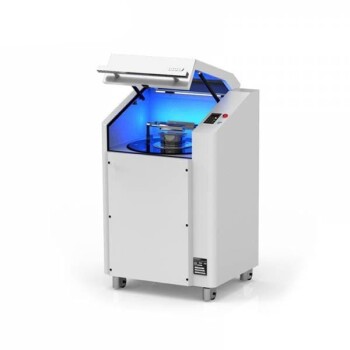
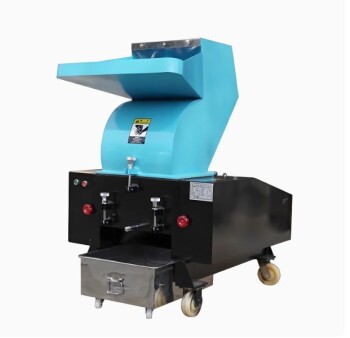
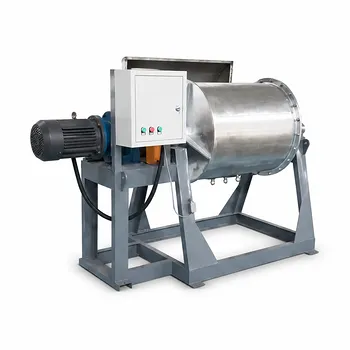
The primary function of an industrial grinding mill in this context is to mechanically pulverize dried sisal residue into fine, uniform particles. By reducing the physical size of the material, the mill serves as a critical pretreatment step that fundamentally alters the residue's physical properties to enable efficient biological and thermal conversion.
Efficacy in bioconversion and thermal processing relies heavily on material preparation. The grinding mill transforms raw sisal residue into a state optimized for microbial access and heat conductivity, directly influencing the speed and quality of final outputs.
Optimizing for Biological Breakdown (Composting)
The grinding process is essential for accelerating the biological decomposition of sisal residue.
Increasing Specific Surface Area
The mill breaks down coarse sisal fibers into fine particles. This mechanical action drastically increases the specific surface area of the material relative to its volume.
Facilitating Microbial Access
Composting relies on microorganisms breaking down organic matter. By increasing the surface area, the mill provides a significantly larger contact surface for these microbes to attach to and degrade the material.
Enhancing Thermal Efficiency (Pyrolysis)
For thermal processing applications like pyrolysis, the physical consistency of the material is paramount.
Creating Particle Uniformity
The industrial mill ensures the sisal residue is processed into a uniform particle size. This consistency removes the variability found in raw, untreated agricultural waste.
Improving Heat Transfer
In the pyrolysis process, heat must penetrate the material to decompose it thermochemically. The uniform particles produced by the mill ensure consistent heat transfer efficiency, preventing uneven processing or incomplete reactions.
Critical Operational Considerations
While the grinding mill is vital, its effectiveness relies on specific upstream conditions.
The Necessity of Pre-Drying
The text explicitly notes that the mill is used to process dried material. Attempting to mill moist sisal would likely compromise the creation of fine particles and hinder the generation of the necessary surface area.
Impact of Particle Irregularity
If the mill fails to produce the uniform particle size described, the thermal efficiency of pyrolysis will degrade. Inconsistent sizing leads to unpredictable heat transfer rates, potentially lowering the quality of the pyrolysis end-product.
Making the Right Choice for Your Goal
To maximize the value of your sisal residue treatment, align the milling output with your specific end-goal.
- If your primary focus is Composting: Ensure the mill is set to maximize specific surface area, creating the finest possible particles to accelerate microbial degradation.
- If your primary focus is Pyrolysis: Prioritize the uniformity of the particle size to guarantee consistent heat transfer and process stability.
Proper mechanical pretreatment turns waste management into an efficient, predictable industrial process.
Summary Table:
| Feature | Impact on Composting | Impact on Pyrolysis |
|---|---|---|
| Increased Surface Area | Accelerates microbial access and decomposition | Not applicable |
| Particle Uniformity | Enhances moisture retention | Ensures consistent heat transfer and reaction |
| Size Reduction | Faster organic breakdown | Prevents incomplete thermochemical reactions |
| Pre-drying Requirement | Prevents clumping for fine milling | Optimizes heat efficiency during processing |
Transform Your Agricultural Waste into Value with KINTEK
Are you looking to optimize your material pretreatment for composting or pyrolysis? KINTEK specializes in high-performance crushing and milling systems and sieving equipment designed to deliver the precise particle uniformity and surface area required for industrial success. Whether you are conducting research with high-temperature furnaces or scaling up with high-pressure reactors, our comprehensive laboratory and industrial solutions ensure peak efficiency at every stage.
Unlock superior thermal and biological performance today. Contact our experts now to find the perfect milling and processing solutions for your laboratory or industrial facility!
References
- Flávia Silva Cunha, Carlos Augusto de Moraes Pires. Upgrade of bio‐oil produced from the sisal residue composting. DOI: 10.1111/gcbb.13129
This article is also based on technical information from Kintek Solution Knowledge Base .
Related Products
- Laboratory High Throughput Tissue Grinding Mill Grinder
- Laboratory Grinding Mill Mortar Grinder for Sample Preparation
- Laboratory Hybrid Tissue Grinding Mill
- Laboratory Jar Mill with Agate Grinding Jar and Balls
- Vibrating Disc Mill Small Laboratory Grinding Machine
People Also Ask
- What is the purpose of using a laboratory grinder and standard sieves? Unlock Precise Rice Husk Pretreatment
- What is the purpose of using a laboratory grinder with specific mesh sieves for oat straw? Optimize Pellet Quality
- What is the role of laboratory-grade grinders and sieves in sample prep? Ensure High-Precision Corrosion Analysis
- How do laboratory grinders and standard sieving systems ensure the quality of feedstock for torrefaction?
- What does a grinder do in a laboratory? Achieve Homogeneous Sample Preparation for Accurate Analysis