Knowledge What is the material of crucible steel? A Guide to High-Carbon, Homogenous Steel Production
Author avatar

Tech Team · Kintek Solution

Updated 6 days ago

What is the material of crucible steel? A Guide to High-Carbon, Homogenous Steel Production


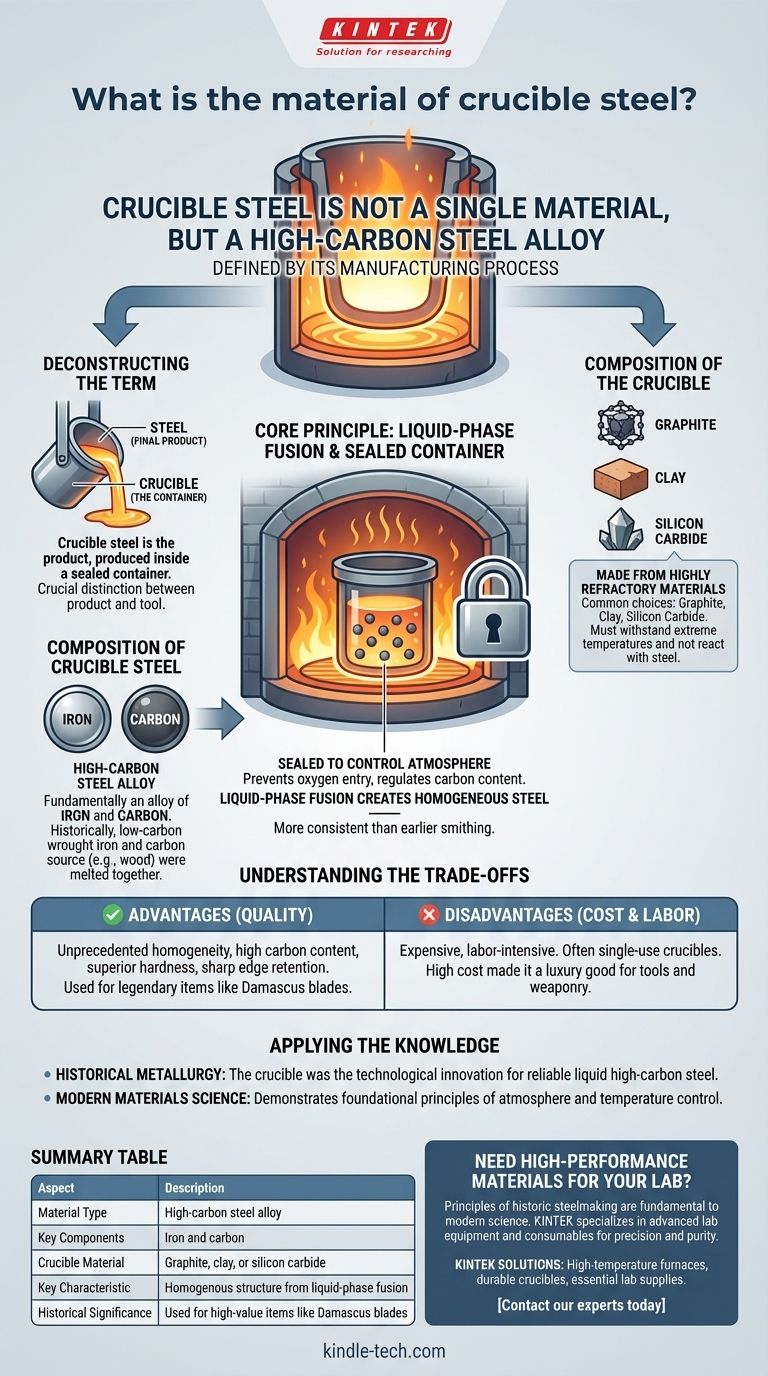
Crucible steel is not a single material, but a high-carbon steel defined by its manufacturing process. It is produced by melting iron and carbon-rich materials together inside a sealed, high-temperature container called a crucible, resulting in a homogenous steel alloy.

The term "crucible steel" can be confusing. It refers to the steel produced in a crucible, not the material of the crucible itself. The crucible is the tool; the steel is the product. Understanding the relationship between the two is key to understanding the material's significance.
What is the material of crucible steel? A Guide to High-Carbon, Homogenous Steel Production

Deconstructing the Term: Steel vs. Crucible

The name "crucible steel" describes a manufacturing technology, not a specific chemical formula. It's crucial to distinguish between the final product (the steel) and the container used to make it (the crucible).

The Composition of Crucible Steel

Crucible steel is fundamentally an alloy of iron and carbon. Historically, producers would place low-carbon wrought iron into the crucible along with a source of carbon.

This carbon source was often organic material, such as wood, leaves, or other plant matter. The intense heat of the furnace would cause the iron to absorb carbon from these materials, transforming it into high-carbon steel.

The Composition of the Crucible

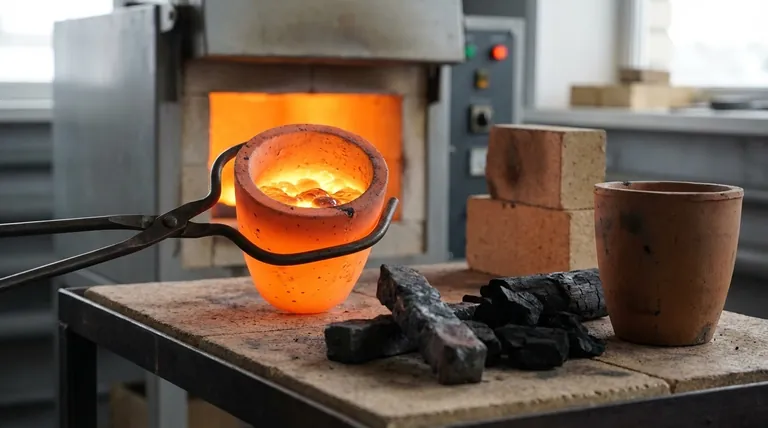
The crucible itself is the critical piece of technology in this process. It must be a container capable of withstanding extreme temperatures without melting, reacting with, or contaminating the steel inside.

Crucibles are made from highly refractory (heat-resistant) materials. Common choices include graphite, clay, and silicon carbide, selected for their ability to maintain structural integrity well above the melting point of steel.

The Core Principle of the Crucible Process

The process was a revolutionary step in metallurgy, allowing for the creation of steel with properties that were previously unattainable. The crucible was central to this achievement.

Why a Sealed Container is Essential

The process requires a closed environment. A lid seals the crucible, preventing oxygen from entering and gases from escaping.

This controlled atmosphere is vital for regulating the carbon content of the final steel, ensuring a consistent and predictable result. Early methods, like those for producing Indian wootz steel, involved breaking the crucible open after it cooled to retrieve the solid ingot of steel.

The Role of Raw Ingredients

The inputs were simple but precise. Craftsmen would fill the crucible with a carefully measured charge of wrought iron and a carbon source.

By melting these components together into a liquid state, the carbon would distribute evenly throughout the iron. This liquid-phase fusion creates a far more homogenous steel than earlier smithing techniques, which only heated iron to a semi-solid state.

Understanding the Trade-offs

The crucible method produced a superior metal, but it came with significant costs and limitations that made it a specialist material for centuries.

The Advantage: Unprecedented Quality

The primary benefit of crucible steel was its homogeneity and high carbon content. This resulted in a metal that could be hardened to a greater degree, hold a sharper edge, and exhibit consistent properties throughout.

Legendary materials like wootz steel, known for its use in Damascus blades, were products of this advanced crucible process.

The Disadvantage: A Destructive Process

The main drawback was the cost and labor. The crucibles were expensive to produce and, in many historical processes, were single-use.

Since the crucible had to be broken to extract the cooled steel ingot, the cost of the container was part of the cost of every single batch. This made crucible steel a luxury good, reserved for high-value items like tools and weaponry.

How to Apply This Knowledge

Understanding crucible steel is about appreciating a pivotal moment in the history of materials science. The principles pioneered here laid the groundwork for modern steelmaking.

  • If your primary focus is historical metallurgy: The key takeaway is that the crucible was the technological innovation that allowed for the first reliable production of liquid-phase, high-carbon steel.
  • If your primary focus is modern materials science: The crucible process demonstrates the foundational principles of atmosphere and temperature control that are now essential to all modern, high-purity alloy production.

Ultimately, the crucible was the breakthrough vessel that allowed metallurgists to finally master the creation of high-quality, homogenous steel.

Summary Table:

Aspect Description
Material Type High-carbon steel alloy
Key Components Iron and carbon
Crucible Material Graphite, clay, or silicon carbide
Key Characteristic Homogenous structure from liquid-phase fusion
Historical Significance Used for high-value items like Damascus blades

Need High-Performance Materials for Your Lab?

The principles of precise temperature and atmosphere control used in historic crucible steelmaking are fundamental to modern materials science. At KINTEK, we specialize in providing the advanced lab equipment and consumables you need to achieve similar precision and purity in your own research and production.

Whether you require high-temperature furnaces, durable crucibles, or other essential lab supplies, our expertise ensures you get reliable, consistent results.

Contact our experts today to discuss how KINTEK's solutions can enhance your laboratory's capabilities and drive your materials science projects forward.

Visual Guide
What is the material of crucible steel? A Guide to High-Carbon, Homogenous Steel Production Visual Guide

Related Products

People Also Ask

Related Products

Custom PTFE Teflon Parts Manufacturer for PTFE Mesh F4 Sieve

Custom PTFE Teflon Parts Manufacturer for PTFE Mesh F4 Sieve

PTFE mesh sieve is a specialized test sieve designed for particle analysis in various industries, featuring a non-metallic mesh woven from PTFE filament. This synthetic mesh is ideal for applications where metal contamination is a concern . PTFE sieves are crucial for maintaining the integrity of samples in sensitive environments, ensuring accurate and reliable results in particle size distribution analysis.

Glassy Carbon Sheet RVC for Electrochemical Experiments

Glassy Carbon Sheet RVC for Electrochemical Experiments

Discover our Glassy Carbon Sheet - RVC. Perfect for your experiments, this high-quality material will elevate your research to the next level.

Vacuum Hot Press Furnace Machine for Lamination and Heating

Vacuum Hot Press Furnace Machine for Lamination and Heating

Experience clean and precise lamination with Vacuum Lamination Press. Perfect for wafer bonding, thin-film transformations, and LCP lamination. Order now!

High Energy Vibratory Laboratory Ball Mill Double Tank Type

High Energy Vibratory Laboratory Ball Mill Double Tank Type

High-energy vibration ball mill is a small desktop laboratory grinding instrument. It uses 1700r/min high-frequency three-dimensional vibration to make the sample achieve the result of grinding or mixing.

Laboratory Disc Rotary Mixer for Efficient Sample Mixing and Homogenization

Laboratory Disc Rotary Mixer for Efficient Sample Mixing and Homogenization

Efficient Laboratory Disc Rotary Mixer for Precise Sample Mixing, Versatile for Various Applications, DC Motor and Microcomputer Control, Adjustable Speed and Angle.

Vacuum Sealed Continuous Working Rotary Tube Furnace Rotating Tube Furnace

Vacuum Sealed Continuous Working Rotary Tube Furnace Rotating Tube Furnace

Experience efficient material processing with our vacuum-sealed rotary tube furnace. Perfect for experiments or industrial production, equipped with optional features for controlled feeding and optimized results. Order now.

Metallographic Specimen Mounting Machine for Laboratory Materials and Analysis

Metallographic Specimen Mounting Machine for Laboratory Materials and Analysis

Precision metallographic mounting machines for labs—automated, versatile, and efficient. Ideal for sample prep in research and quality control. Contact KINTEK today!

Engineering Advanced Fine Ceramics Head Tweezers with Pointed Elbow Zirconia Ceramic Tip

Engineering Advanced Fine Ceramics Head Tweezers with Pointed Elbow Zirconia Ceramic Tip

Zirconia ceramic tweezers are a high-precision tool made of advanced ceramic materials, especially suitable for operating environments that require high precision and corrosion resistance. This type of tweezers not only has excellent physical properties, but is also popular in the medical and laboratory fields because of its biocompatibility.

Platinum Sheet Electrode for Laboratory and Industrial Applications

Platinum Sheet Electrode for Laboratory and Industrial Applications

Elevate your experiments with our Platinum Sheet Electrode. Crafted with quality materials, our safe and durable models can be tailored to fit your needs.

Stainless Steel Quick Release Vacuum Chain Three-Section Clamp

Stainless Steel Quick Release Vacuum Chain Three-Section Clamp

Discover our stainless steel quick release clamp vacuum clamp, Ideal for high vacuum applications, Strong connections, reliable sealing, Easy installation, and durable design.

High Purity Zinc Foil for Battery Lab Applications

High Purity Zinc Foil for Battery Lab Applications

There are very few harmful impurities in the chemical composition of zinc foil, and the surface of the product is straight and smooth; it has good comprehensive properties, processability, electroplating colorability, oxidation resistance and corrosion resistance, etc.

Custom Machined and Molded PTFE Teflon Parts Manufacturer for Laboratory ITO FTO Conductive Glass Cleaning Flower Basket

Custom Machined and Molded PTFE Teflon Parts Manufacturer for Laboratory ITO FTO Conductive Glass Cleaning Flower Basket

PTFE cleaning racks are mainly made of tetrafluoroethylene. PTFE, known as the "King of Plastics", is a polymer compound made of tetrafluoroethylene.

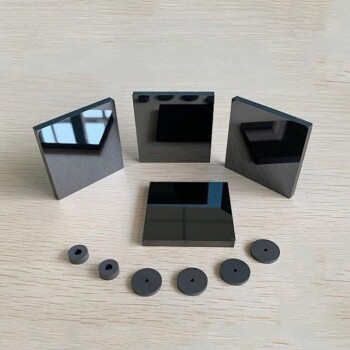
Silicon Carbide (SIC) Ceramic Sheet Wear-Resistant Engineering Advanced Fine Ceramics

Silicon Carbide (SIC) Ceramic Sheet Wear-Resistant Engineering Advanced Fine Ceramics

Silicon carbide (sic) ceramic sheet is composed of high-purity silicon carbide and ultra-fine powder, which is formed by vibration molding and high-temperature sintering.

304 316 Stainless Steel Vacuum Ball Valve Stop Valve for High Vacuum Systems

304 316 Stainless Steel Vacuum Ball Valve Stop Valve for High Vacuum Systems

Discover 304/316 stainless steel vacuum ball valves, Ideal for high vacuum systems, Ensure precise control and durability. Explore now!

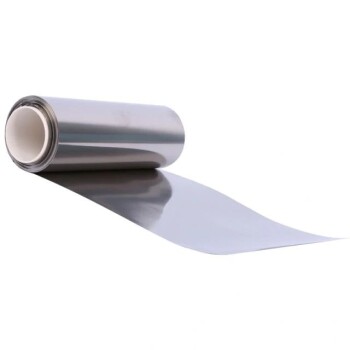
High-Purity Titanium Foil and Sheet for Industrial Applications

High-Purity Titanium Foil and Sheet for Industrial Applications

Titanium is chemically stable, with a density of 4.51g/cm3, which is higher than aluminum and lower than steel, copper, and nickel, but its specific strength ranks first among metals.

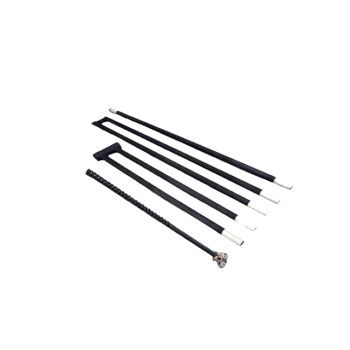
Silicon Carbide SiC Thermal Heating Elements for Electric Furnace

Silicon Carbide SiC Thermal Heating Elements for Electric Furnace

Experience the advantages of Silicon Carbide (SiC) Heating Element: Long service life, high corrosion and oxidation resistance, fast heating speed, and easy maintenance. Learn more now!

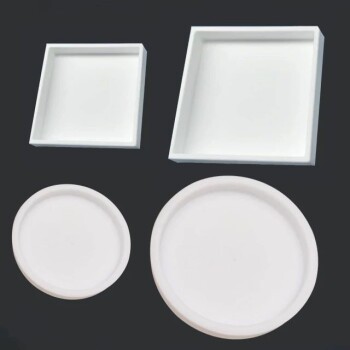
Custom PTFE Teflon Parts Manufacturer for PTFE Containers

Custom PTFE Teflon Parts Manufacturer for PTFE Containers

PTFE container is a container with excellent corrosion resistance and chemical inertness.

Lab-Scale Vacuum Induction Melting Furnace

Lab-Scale Vacuum Induction Melting Furnace

Get precise alloy composition with our Vacuum Induction Melting Furnace. Ideal for aerospace, nuclear energy, and electronic industries. Order now for effective smelting and casting of metals and alloys.

Graphite Vacuum Continuous Graphitization Furnace

Graphite Vacuum Continuous Graphitization Furnace

High-temperature graphitization furnace is a professional equipment for graphitization treatment of carbon materials. It is a key equipment for the production of high-quality graphite products. It has high temperature, high efficiency and uniform heating. It is suitable for various high-temperature treatments and graphitization treatments. It is widely used in metallurgy, electronics, aerospace, etc. industry.

Bomb Type Probe for Steelmaking Production Process

Bomb Type Probe for Steelmaking Production Process

Bomb-type probe for precise steelmaking control: measures carbon content (±0.02%) and temperature (20℃ accuracy) in 4-8s. Boost efficiency now!


Leave Your Message