Precision temperature control is the baseline for reliable data. The necessity of a constant-temperature electrochemical testing system lies in the extreme thermal sensitivity of rare-earth perovskite negative electrodes. Key performance metrics—specifically the hydrogen diffusion coefficient and exchange current density—fluctuate significantly with even minor changes in heat, making a stable thermal environment essential for isolating the material's true intrinsic properties.
By eliminating environmental thermal noise, researchers can accurately correlate increased temperatures (e.g., from 298 K to 333 K) with improved proton migration rates, thereby validating the material's potential as a high-performance negative electrode.
The Thermal Physics of Perovskite Electrodes
Proton Migration and Lattice Dynamics
The performance of perovskite oxides in secondary batteries relies heavily on the movement of protons within the material's lattice structure. This mechanism is not static; it is physically accelerated by thermal energy.
Sensitivity of Kinetic Parameters
Two critical parameters define the efficiency of these electrodes: the hydrogen diffusion coefficient and the exchange current density. Both are highly sensitive to temperature variations.
The Consequence of Instability
If the temperature is not held constant, these kinetic parameters will drift. This makes it impossible to distinguish between a material's actual electrochemical performance and artifacts caused by ambient temperature shifts.
The System Architecture for Accurate Measurement
The Integrated Testing Environment
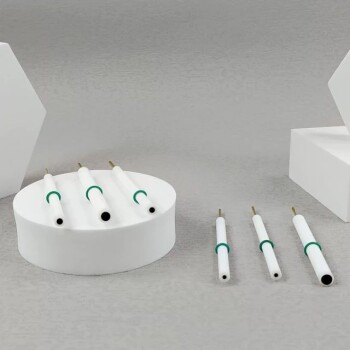
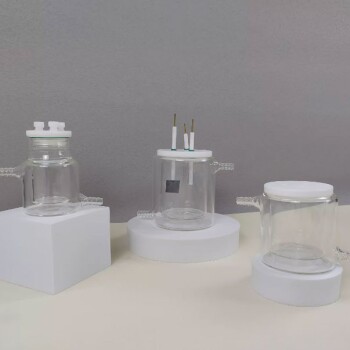
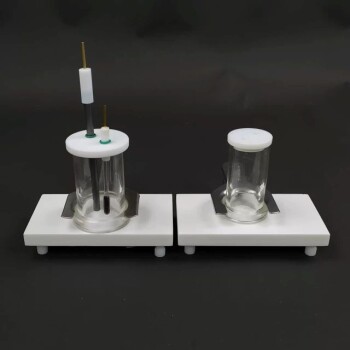
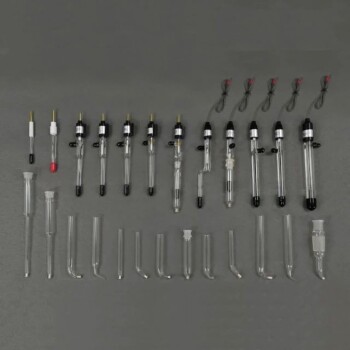
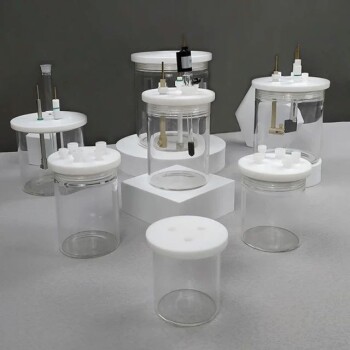
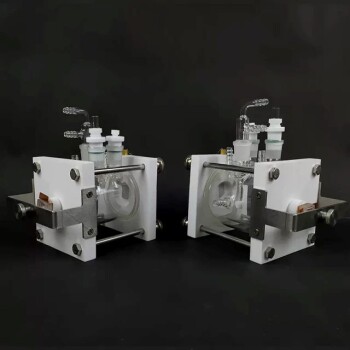
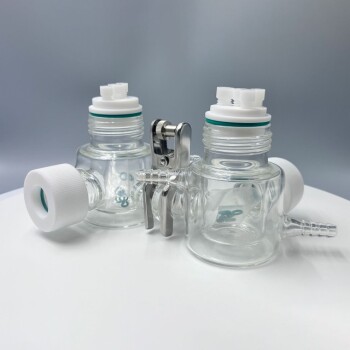
To capture reliable data, a high-precision electrochemical testing system is required. This setup combines an electrolytic cell (often a three-electrode configuration) with a high-precision charge-discharge tester.
The Role of Thermal Regulation
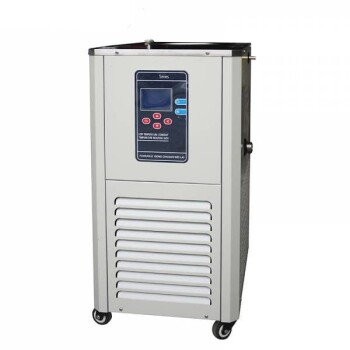
This hardware must be coupled with constant-temperature control equipment. This allows for the precise maintenance of the electrolyte and electrode environment at specific set points.
Quantifying Discharge Capacity
By testing across a controlled range, typically 298 K to 333 K, researchers can map the discharge capacity against temperature. This reveals exactly how heat promotes proton migration, providing a quantitative evaluation of the electrode's efficiency.
Common Pitfalls and Trade-offs
The Risk of False Positives
Without strict temperature regulation, a temporary rise in ambient heat can artificially inflate the measured exchange current density. This can lead to the selection of inferior materials that appear high-performing only due to environmental noise.
System Complexity vs. Data Quality
Implementing a constant-temperature loop increases the complexity and cost of the experimental setup compared to basic benchtop testing. However, for perovskite materials, the trade-off is non-negotiable: simplicity in setup results in unusable, non-reproducible data.
Making the Right Choice for Your Research
To effectively evaluate perovskite electrodes, align your testing strategy with your specific material goals:
- If your primary focus is Negative Electrode Development: Prioritize thermal stability to accurately measure the hydrogen diffusion coefficient, as this is the limiting factor for proton migration in the lattice.
- If your primary focus is Catalytic Efficiency (OER): Ensure your three-electrode system is temperature-controlled to precisely determine overpotential and Tafel slopes, ensuring design strategies are evaluated without thermal interference.
Ultimately, the ability to control temperature is the only way to transform raw electrochemical data into a definitive assessment of a material's potential.
Summary Table:
| Parameter | Temperature Impact | Necessity of Control |
|---|---|---|
| Hydrogen Diffusion Coefficient | Accelerates with thermal energy | Essential to isolate intrinsic lattice dynamics |
| Exchange Current Density | Highly sensitive to minor heat changes | Prevents artificial inflation of performance data |
| Discharge Capacity | Increases with temperature (298K-333K) | Allows for quantitative efficiency mapping |
| Proton Migration Rate | Physically accelerated by heat | Validates material potential without thermal noise |
Elevate Your Materials Research with KINTEK Precision
At KINTEK, we understand that in perovskite and battery research, the difference between a breakthrough and a false positive lies in the stability of your environment. We specialize in providing high-performance laboratory equipment tailored for advanced electrochemical analysis.
Our comprehensive range of electrolytic cells, electrodes, and high-precision temperature control solutions ensures your data is reproducible and accurate. Whether you are developing next-generation negative electrodes or optimizing catalytic efficiency, KINTEK provides the high-temperature furnaces, cooling solutions, and specialized reactors needed to maintain a rigorous testing baseline.
Ready to eliminate thermal noise and secure reliable kinetic data?
Contact KINTEK Today for a Specialized Consultation
References
- John Henao, L. Martínez-Gómez. Review: on rare-earth perovskite-type negative electrodes in nickel–hydride (Ni/H) secondary batteries. DOI: 10.1007/s40243-017-0091-7
This article is also based on technical information from Kintek Solution Knowledge Base .
Related Products
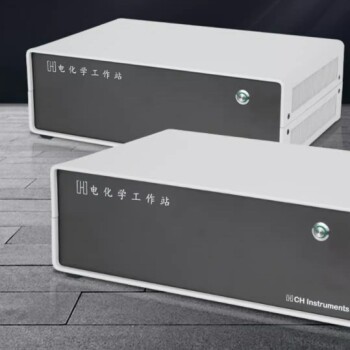
- Lab Electrochemical Workstation Potentiostat for Laboratory Use
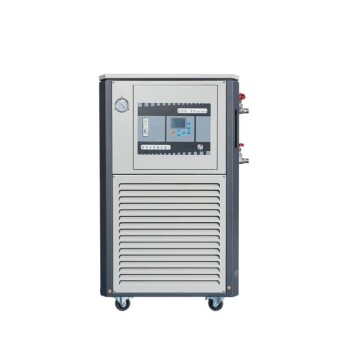
- High Temperature Constant Temperature Heating Circulator Water Bath Chiller Circulator for Reaction Bath
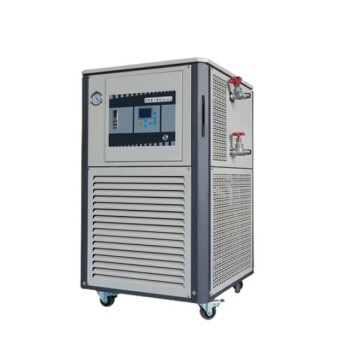
- 10L Heating Chilling Circulator Cooling Water Bath Circulator for High and Low Temperature Constant Temperature Reaction
- 5L Heating Chilling Circulator Cooling Water Bath Circulator for High and Low Temperature Constant Temperature Reaction
- 100L Heating Chilling Circulator Cooling Water Bath Circulator for High and Low Temperature Constant Temperature Reaction
People Also Ask
- How does an electrochemical workstation assist in assessing corrosion resistance? Quantify Laser-Remelted Steel Performance
- How does an electrochemical testing system evaluate mesoporous oxide electrodes? Precision Analysis for Battery Research
- What are the primary functions of an electrochemical workstation (Potentiostat)? Expert Titanium Alloy Corrosion Analysis
- What is the primary function of a high-precision electrochemical workstation? Optimize Your Reactor Performance
- What role do electrochemical workstations play in researching the corrosion resistance of carbon coatings? Expert Guide