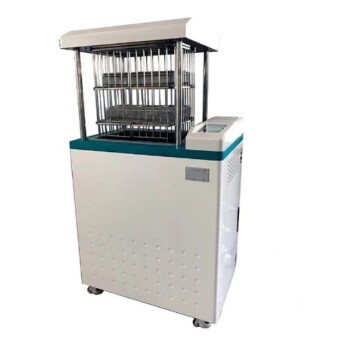
The primary function of an ultrasonic cleaner is to achieve a microscopic level of surface purity essential for coating adhesion. By utilizing high-frequency vibrations to generate cavitation effects within solvents like acetone or ethanol, the device effectively dislodges residual oils, particles, and contaminants from the substrate. This process removes the physical barriers that would otherwise prevent the strong mechanical bonding and chemical adhesion required for coating technologies such as Physical Vapor Deposition (PVD).
The ultrasonic cleaner does not simply "wash" a part; it eliminates microscopic interface failures. Its role is to expose the true substrate material, ensuring the subsequent coating bonds to the metal itself rather than to a microscopic layer of grease or debris.
The Mechanics of Decontamination
The Power of Cavitation
The core mechanism driving this process is cavitation. High-frequency sound waves travel through the liquid solvent, creating alternating high and low-pressure cycles.
Impact on Contaminants
These pressure cycles form microscopic vacuum bubbles that rapidly collapse. The energy released by this collapse acts like a microscopic scrubber, physically blasting contaminants such as cutting fluids, polishing pastes, and grinding debris off the surface.
Reaching Complex Geometries
Unlike manual wiping or spraying, ultrasonic cleaning is non-directional. The cavitation bubbles form everywhere the liquid penetrates, allowing for the deep cleaning of micropores and complex surface textures where contaminants often hide.
Why Purity is Critical for Deposition
Ensuring Mechanical Bonding
For coatings like PVD or Atomic Layer Deposition (ALD) to succeed, the coating atoms must latch onto the substrate's surface structure. Residual particles or oils "smooth out" the surface profile or act as a release agent, leading to weak bonds and eventual coating peeling.
Facilitating Chemical Adhesion
Many advanced coatings rely on chemical reactions at the interface. Contaminants interfere with the nucleation and growth of these layers, preventing the formation of continuous, non-porous coatings.
The Multi-Step Process Necessity
Solvent Selection
The choice of solvent dictates efficiency. Common protocols utilize acetone and ethanol to dissolve organic residues like grease and oils. Deionized water is often used in subsequent stages to remove water-soluble abrasives.
The Critical Rinse Phase
Cleaning is not complete when the ultrasound stops. Substrates must undergo a thorough rinse, often with deionized water, to wash away the cleaning solution itself, which can become a contaminant if allowed to dry on the part.
Drying Protocols
Moisture is a primary enemy of vacuum-based coating processes. After rinsing, parts must be dried completely using ovens or air dryers to ensure no water molecules remain to outgas or interfere with adhesion.
Common Pitfalls to Avoid
Re-contamination via Residue
A common failure point is the redeposition of contaminants. If the cleaning bath is saturated with oil or debris, the ultrasonic action may lift dirt only to deposit it back onto the part as it is removed.
Incomplete Drying
Even a microscopic film of moisture can ruin a PVD batch. It is essential to verify that parts are completely dry immediately before they enter the deposition chamber to prevent oxidation or adhesion loss.
Neglecting the Rinse
Skipping the final rinse can leave a "clean" but chemically active residue from the solvent. This residue can alter the surface chemistry, leading to unexpected reactions during the coating phase.
Making the Right Choice for Your Goal
To maximize the effectiveness of your pretreatment phase, tailor your approach to your specific constraints:
- If your primary focus is maximum adhesion strength: Prioritize a multi-solvent approach (e.g., acetone followed by ethanol) to attack both organic and inorganic residues aggressively.
- If your primary focus is complex geometries (pores/crevices): Extend the ultrasonic cycle time and ensure the solvent has low surface tension to penetrate deep into micropores.
- If your primary focus is process consistency: Implement a strict rinse and dry protocol with deionized water to ensure no cleaning agents remain to interfere with the vacuum chamber environment.
The success of a coating is defined not by the deposition equipment, but by the cleanliness of the surface it touches.
Summary Table:
| Feature | Function in Substrate Pretreatment | Impact on Coating Quality |
|---|---|---|
| Mechanism | High-frequency cavitation bubbles | Removes oils, grease, and microscopic debris |
| Penetration | Non-directional liquid coverage | Deep cleans micropores and complex geometries |
| Adhesion | Exposes pure substrate material | Prevents peeling and ensures strong mechanical bonding |
| Solvent Use | Acetone, Ethanol, or Deionized water | Dissolves organic and inorganic residues |
| Consistency | Standardized cleaning cycles | Eliminates nucleation failures and coating porosity |
Elevate Your Coating Precision with KINTEK
Don't let microscopic contaminants compromise your research or production. KINTEK specializes in high-performance laboratory equipment designed to ensure flawless surface preparation. From advanced ultrasonic cleaners and cooling solutions to our industry-leading high-temperature furnaces (CVD, PVD, Vacuum) and hydraulic presses, we provide the tools you need for superior material deposition.
Maximize your adhesion strength and process consistency today. Our experts are ready to help you select the perfect cleaning and coating systems tailored to your specific application. Contact KINTEK now to optimize your lab's workflow!
References
- Ittinop Dumnernchanvanit, Michael P. Short. Initial experimental evaluation of crud-resistant materials for light water reactors. DOI: 10.1016/j.jnucmat.2017.10.010
This article is also based on technical information from Kintek Solution Knowledge Base .
Related Products
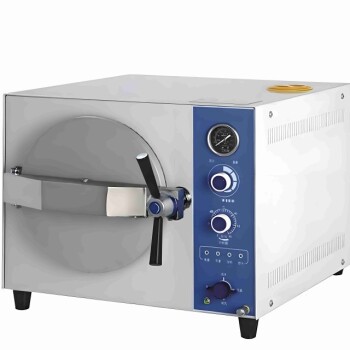
- Laboratory Sterilizer Lab Autoclave Pulsating Vacuum Desktop Steam Sterilizer
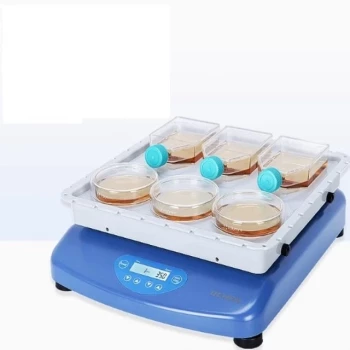
- Laboratory Oscillating Orbital Shaker
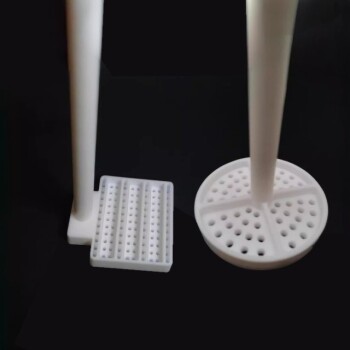
- Custom PTFE Teflon Parts Manufacturer Corrosion Resistant Cleaning Rack Flower Basket
- Laboratory Scientific Electric Heating Blast Drying Oven
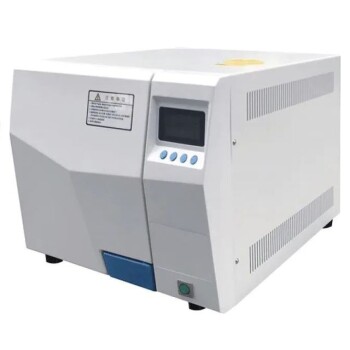
- Portable High Pressure Laboratory Autoclave Steam Sterilizer for Lab Use
People Also Ask
- What is the primary function of a laboratory sterilization autoclave? Master the Physics of Wet Heat Sterilization
- In what industries and applications are steam sterilizers or autoclaves used? Discover Key Uses Across 4 Major Sectors
- What precautions should be taken during autoclave in laboratory? A Complete Safety Guide to Prevent Burns and Explosions
- What extreme conditions does a laboratory autoclave simulate? Testing Wear Resistance of Nuclear Fuel Cladding
- What role does a laboratory autoclave play in HEA corrosion research? Key to Validating Advanced Reactor Materials