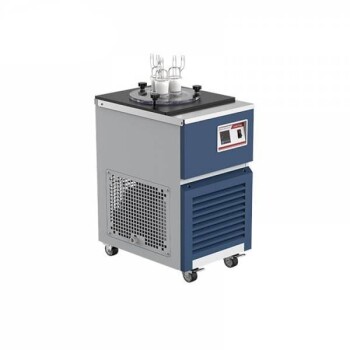
The cold water quenching step is a critical control mechanism designed to instantaneously terminate the chemical reaction. By rapidly transferring the micro-reactor from the high-temperature furnace to a cold water bath, the system is brought to room temperature in moments. This "freezes" the reaction mixture, ensuring the chemical composition remains stable for analysis.
Quenching is not merely about cooling; it is about preservation. It stops the reaction dead in its tracks to prevent the target product (terephthalic acid) from decomposing into unwanted byproducts, thereby guaranteeing data accuracy and maximizing yield.
The Mechanics of Reaction Termination
Rapid Thermal Transfer
The process involves physically removing the micro-reactor from the heat source and immediately immersing it in cold water.
This drastic temperature difference facilitates a near-instantaneous drop to room temperature.
Instantaneous Cessation
Heat is the energy source driving the hydrothermal oxidation.
By removing this energy instantly, you stop the kinetic activity required for the reaction to continue.
Protecting the Target Product
Preventing Thermal Decarboxylation
High temperatures can cause the target product, terephthalic acid, to become unstable.
Without rapid cooling, the product is susceptible to thermal decarboxylation, where it loses a carboxyl group and degrades.
Avoiding Over-Oxidation
In hydrothermal oxidation, there is a risk of the reaction going "too far."
If the reaction is not stopped immediately, the terephthalic acid can further oxidize into byproducts, specifically benzoic acid.
The Consequence of Inadequate Cooling
Compromised Product Yield
If the system cools slowly (such as air cooling), the reaction environment persists.
During this window, valuable product is consumed and converted into waste, significantly lowering your final yield.
Inaccurate Analytical Results
Scientific analysis relies on defining exact reaction times.
If the reaction continues during a slow cooling phase, the sample you analyze will not represent the state of the system at the intended "stop" time, rendering your data invalid.
Ensuring Process Integrity
If your primary focus is Maximizing Yield:
Ensure the transfer to the water bath is immediate to prevent terephthalic acid from degrading into benzoic acid.
If your primary focus is Analytical Precision:
Treat the quenching moment as the definitive "stop time" for your data recording to ensure the sample reflects the exact reaction duration.
Mastering the quench ensures that the chemistry you analyze is the chemistry you intended to create.
Summary Table:
| Feature | Impact of Cold Water Quenching | Risk of Slow Cooling |
|---|---|---|
| Reaction State | Instantaneous cessation ("frozen") | Continued reaction/over-oxidation |
| Product Stability | Prevents decarboxylation of terephthalic acid | Degradation into benzoic acid |
| Data Integrity | Precise definition of reaction stop-time | Inaccurate kinetic measurements |
| Final Yield | Maximized by preserving target product | Reduced by byproduct formation |
Maximize Your Research Precision with KINTEK
Precise thermal control is the backbone of successful hydrothermal oxidation and material synthesis. At KINTEK, we specialize in high-performance laboratory equipment designed to withstand the rigors of extreme research environments. From high-temperature high-pressure reactors and autoclaves to advanced cooling solutions like cold traps and ULT freezers, we provide the tools you need to ensure every reaction is terminated exactly when you intend.
Whether you are focusing on maximizing yield or achieving flawless analytical precision, our team is ready to equip your lab with the industry's most reliable high-temperature furnaces and crushing systems.
Ready to elevate your lab's performance? Contact us today to explore our full range of solutions!
References
- Mohamad Zarqani Yeop, Ahmad Rafizan Mohamad Daud. Effect of Process Conditions on Catalytic Hydrothermal Oxidation of p-Xylene to Terephthalic Acid. DOI: 10.47836/pjst.30.4.16
This article is also based on technical information from Kintek Solution Knowledge Base .
Related Products
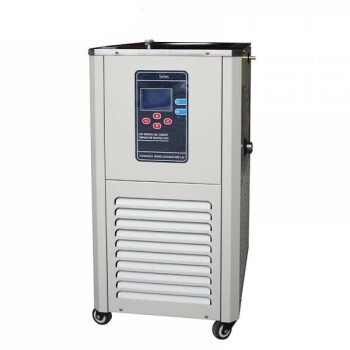
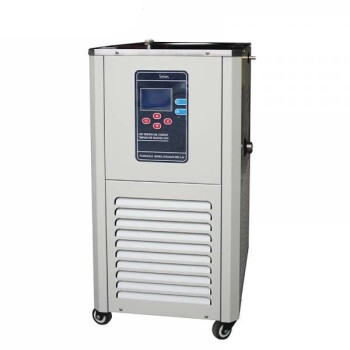
- 10L Chilling Circulator Cooling Water Bath Low Temperature Constant Temperature Reaction Bath
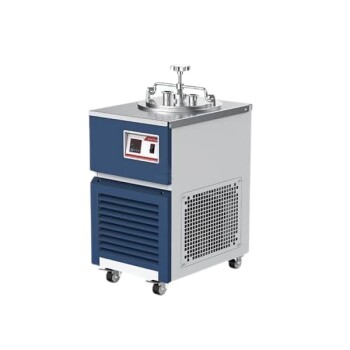
- Low-Temperature Water-Cooled Touchscreen Vibratory Ultrafine Pulverizer
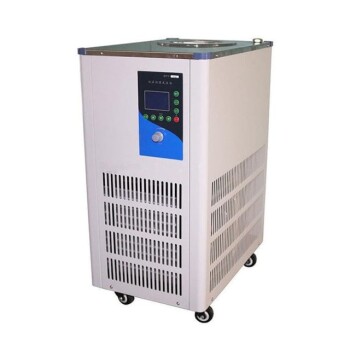
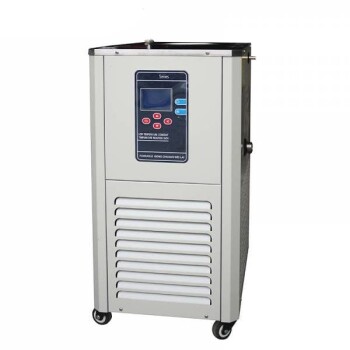
- 100L Chilling Circulator Cooling Water Circulator for Low Temperature Constant Temperature Reaction Bath Water Bath Cooling
- 80L Chilling Circulator Cooling Water Circulator for Water Bath Cooling and Low Temperature Constant Temperature Reaction Bath
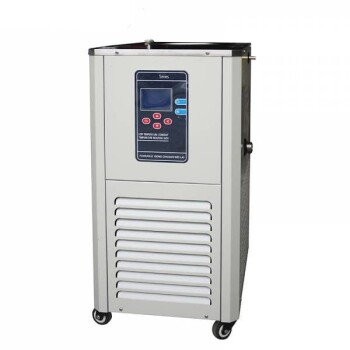
- 50L Chiller Water Bath Cooling Circulator Low Temperature Constant Temperature Reaction Bath
People Also Ask
- What is the necessity of a circulating water bath in chlorate production? Optimize Yield & Purity with Precision
- What is the role of low-temperature cooling baths in bio-oil collection? Maximize Yield Through Rapid Quenching
- What is the purpose of a cooling circulation water bath system in electrochemical experiments? Enhance Lab Precision
- Why is a circulating water chiller required for Prussian Blue nanoparticles? Ensure Stability & Batch Reproducibility
- What function does a circulating cooling chiller perform during the gas adsorption isotherm testing of nanoporous carbon?