The primary purpose of using a pre-forming machine is to consolidate loose Ni-Co-Al alloy powders into a solid, manageable form known as a "green pellet." By applying low pressure—typically not exceeding 8 MPa—this process establishes the necessary shape, strength, and density required before the material undergoes the rigorous hot-pressing phase.
Pre-forming is a critical preparatory step that transforms volatile loose powder into a stable structural foundation. It ensures the material can be handled safely and processed consistently during high-temperature sintering.
Why Pre-Pressing is Essential for Alloy Processing
Establishing Structural Integrity
Loose alloy powders are inherently unstable and difficult to manipulate. The pre-forming machine compresses these particles into a cohesive unit with a defined shape and specific strength.
This creates a "green compact" or pellet that maintains its geometry without crumbling. It allows the material to be moved, stored, or processed without the risk of separating back into loose dust.
Increasing Initial Packing Density
The pre-pressing stage significantly increases the initial packing density of the material. By mechanically forcing particles closer together, the process reduces the volume of the bulk powder.
This reduction creates a denser starting point for the final product. It ensures that the subsequent sintering process begins with a uniform distribution of material, rather than a loose, aerated pile.
Expelling Entrapped Air
As the hydraulic press applies pressure, it forces air out from the spaces between the powder particles.
Removing this air is vital for the integrity of the final alloy. It prevents large voids or air pockets from becoming trapped inside the material once the high-temperature processing begins.
Operational Advantages in Manufacturing
Simplifying the Loading Process
Loading loose powder directly into hot-pressing molds is imprecise and messy. A pre-formed pellet significantly improves handling efficiency.
Operators can place a solid, pre-sized pellet into the mold quickly and accurately. This reduces material waste and ensures perfect alignment within the hot-pressing equipment.
Creating a Foundation for Sintering
The pre-form acts as a structural foundation for the high-temperature and high-pressure sintering process.
Because the material already has a cohesive structure, it reacts more predictably to the intense heat and pressure applied later. This leads to greater stability and consistency in the final alloy properties.
Common Pitfalls to Avoid
Managing Pressure Limits
It is critical to maintain the correct pressure range during this phase. The primary objective is pre-forming, not final densification.
The pressure should generally remain low, typically below 8 MPa. Exceeding necessary pressures at this stage may not yield additional benefits and could complicate the transition to the hot-pressing phase.
Ensuring Stability for Storage
One often overlooked benefit is storage stability. If the green pellet is not pressed to sufficient strength, it may degrade if not processed immediately.
A properly formed pellet ensures the alloy maintains its shape and integrity even if there is a delay between pre-forming and final hot pressing.
Making the Right Choice for Your Process
To optimize your manufacturing workflow, align your pre-forming parameters with your specific goals:
- If your primary focus is Handling Efficiency: Ensure the pre-forming pressure is sufficient to create a robust pellet that creates no dust or waste during mold loading.
- If your primary focus is Material Density: Focus on the removal of interstitial air to maximize the initial packing density before heat is applied.
By treating pre-forming as a foundational quality control step rather than just a shaping task, you ensure the long-term structural success of your Ni-Co-Al alloy.
Summary Table:
| Feature | Purpose in Pre-forming | Key Benefit |
|---|---|---|
| Pressure Limit | Typically < 8 MPa | Prevents over-densification while ensuring shape |
| Structural Form | Creates "Green Pellet" | Facilitates safe handling and storage |
| Density Impact | Increases Packing Density | Reduces material volume for uniform sintering |
| Air Removal | Expels entrapped air | Prevents voids and defects in the final alloy |
| Loading Efficiency | Solid pellet format | Minimizes waste and improves mold alignment |
Elevate Your Material Research with KINTEK Precision
Don't let inconsistent powder preparation compromise your final alloy properties. KINTEK specializes in high-performance laboratory equipment designed for precision, including our advanced hydraulic pellet presses, crushing and milling systems, and hot-pressing solutions.
Whether you are working with Ni-Co-Al alloys or advanced ceramics, our comprehensive range of high-temperature furnaces, isostatic presses, and vacuum sintering systems provides the stability and control your research demands.
Ready to optimize your manufacturing workflow? Our experts are here to help you select the right tools for superior material density and structural integrity.
Contact KINTEK Today for a Professional Consultation
Related Products
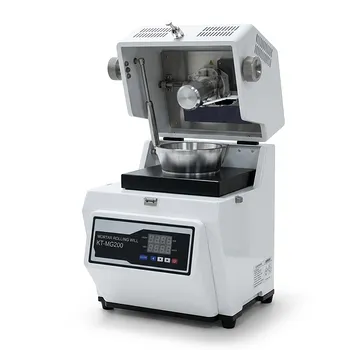
- Laboratory Grinding Mill Mortar Grinder for Sample Preparation
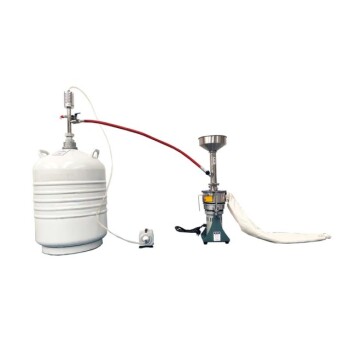
- Liquid Nitrogen Cryogenic Grinder Mill Cryomill Airflow Ultrafine Pulverizer
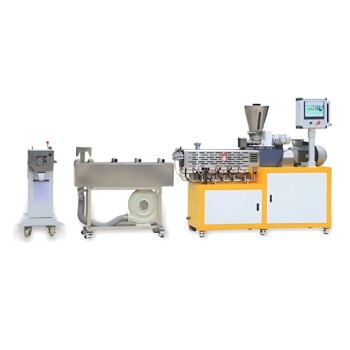
- Twin Screw Extruder Plastic Granulation Machine
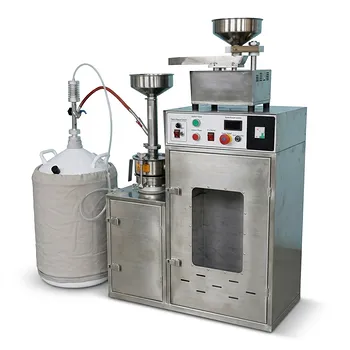
- Liquid Nitrogen Cryogenic Grinder Mill Cryomill with Screw Feeder
- Small Cryogenic Grinder Cryomill Cryogrinder with Liquid Nitrogen for Laboratory Use
People Also Ask
- What laboratory apparatus is used for grinding? Match the Right Mill to Your Sample Material
- What is the function of a laboratory grinding mill? Achieve Precise Sample Preparation for Accurate Results
- What is the purpose of using a laboratory grinder and standard sieves? Unlock Precise Rice Husk Pretreatment
- What is the role of laboratory-grade grinders and sieves in sample prep? Ensure High-Precision Corrosion Analysis
- What is the purpose of using a laboratory grinder with specific mesh sieves for oat straw? Optimize Pellet Quality