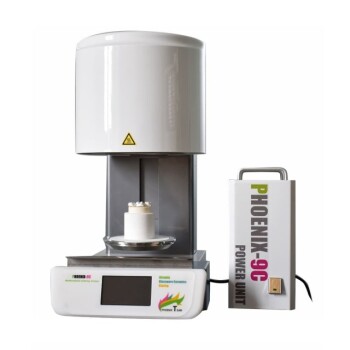
The combination of a ceramic crucible and a high-temperature muffle furnace serves as a precision reactor for the synthesis of bulk carbon nitride ($C_3N_4$).
In this process, the muffle furnace provides a stable, uniform thermal environment (typically 550 °C to 600 °C) required to drive the thermal polycondensation of precursors like urea or melamine. The ceramic crucible, equipped with a lid, creates a semi-closed micro-environment that suppresses the sublimation of raw materials, maintains internal gas pressure, and excludes oxygen to prevent unwanted oxidation.
This specialized setup ensures that precursors undergo complete deamination and polymerization rather than vanishing through volatilization. By controlling both the thermal energy and the local atmosphere, the system facilitates the formation of a stable, layered graphitic framework.
The Muffle Furnace: A Stable Thermal Foundation
Providing Uniform Thermal Energy
A high-temperature muffle furnace is essential for maintaining a constant and uniform temperature across the entire sample. This stability ensures that the precursors, such as urea or melamine, reach the activation energy required for chemical transformation simultaneously.
Driving Polycondensation Reactions
The furnace provides the sustained heat necessary for deamination and condensation reactions. Precise control over the heating rate and "soak time" allows the monomers to fully polymerize into the stable heptazine unit structures that define bulk carbon nitride.
Facilitating Complete Conversion
Without the precise temperature control of a muffle furnace, the thermal decomposition might be incomplete. The furnace ensures that intermediate products are fully processed into a bulk solid with a consistent structural framework.
The Crucible and Lid: Environmental Management
Suppressing Volatilization and Sublimation
Many $C_3N_4$ precursors, such as melamine, tend to sublime at high temperatures before they can react. The crucible lid acts as a physical barrier that reduces mass loss, ensuring that the "building blocks" of the material remain in the reaction zone.
Maintaining Micro-environmental Pressure
The lid creates a semi-in-situ atmospheric environment where a specific local gas pressure is maintained. This internal pressure is critical for promoting the polycondensation of intermediate products into a dense, layered solid.
Preventing Oxidation Side Reactions
At high temperatures, carbon nitride is susceptible to oxidative combustion if exposed to air. The lid limits the entry of outside oxygen, creating a micro-reducing environment that ensures the phase purity and high yield of the final yellow powder.
Understanding the Trade-offs and Risks
Yield vs. Structural Integrity
While a tightly sealed environment increases yield by preventing precursor loss, it can also trap byproducts like ammonia. If these gases are not allowed to escape at a controlled rate, they may interfere with the final crystalline structure of the $C_3N_4$.
Material Limitations of Ceramic
Ceramic crucibles (often alumina) are used for their high-temperature resistance, but they are prone to thermal shock. Rapid heating or cooling cycles can cause the crucible to crack, potentially ruining the sample and damaging the muffle furnace heating elements.
Temperature Gradients
Even in high-quality furnaces, the temperature inside a closed crucible may lag slightly behind the furnace's digital readout. This discrepancy can lead to under-calcination if the dwell time is not properly calibrated for the specific crucible size and material.
How to Apply This to Your Synthesis
Success in synthesizing bulk carbon nitride depends on how you balance containment with thermal exposure.
- If your primary focus is Maximum Yield: Ensure the crucible lid has a precise fit to minimize the sublimation of precursors like urea during the initial heating phase.
- If your primary focus is Phase Purity: Maintain the furnace temperature strictly between 550 °C and 600 °C to ensure complete conversion into the graphitic phase without triggering thermal decomposition.
- If your primary focus is Structural Uniformity: Use a consistent heating rate (e.g., 2–5 °C/min) to allow the micro-environment inside the crucible to reach equilibrium gradually.
By treating the crucible and furnace as a single, integrated reaction system, you can produce bulk carbon nitride with consistent chemical and physical properties.
Summary Table:
| Component | Key Function | Impact on C3N4 Synthesis |
|---|---|---|
| Muffle Furnace | Uniform Thermal Energy | Drives polycondensation and ensures complete precursor conversion. |
| Ceramic Crucible | Thermal Resistance | Provides a stable vessel for high-temperature chemical transformations. |
| Crucible Lid | Micro-environment Control | Suppresses sublimation, maintains internal pressure, and prevents oxidation. |
Elevate Your Material Synthesis with KINTEK
Achieving high-purity bulk carbon nitride requires absolute control over your thermal environment. KINTEK specializes in high-performance laboratory equipment designed for precision research.
Our extensive portfolio includes:
- High-Temperature Furnaces: Muffle, tube, and vacuum furnaces for stable polycondensation.
- Specialized Consumables: Premium alumina and ceramic crucibles to maintain perfect micro-environments.
- Sample Preparation: Precision crushing, milling, and hydraulic presses for precursor processing.
Whether you are focusing on maximizing yield or ensuring phase purity, KINTEK provides the reliability your lab demands. Contact our technical experts today to find the ideal furnace and crucible setup for your synthesis needs!
References
- Jiale Wu, Huiquan Li. Sequential hydrogenation of nitroaromatics to alicyclic amines <i>via</i> highly-dispersed Ru–Pd nanoparticles anchored on air-exfoliated C<sub>3</sub>N<sub>4</sub> nanosheets. DOI: 10.1039/d2ra07612h
This article is also based on technical information from Kintek Solution Knowledge Base .
Related Products
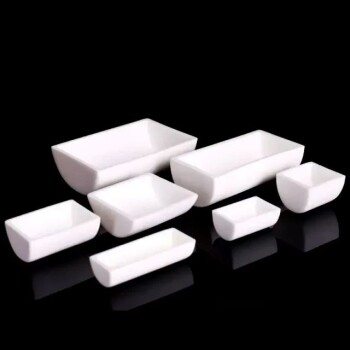
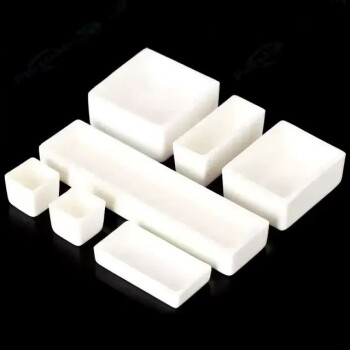
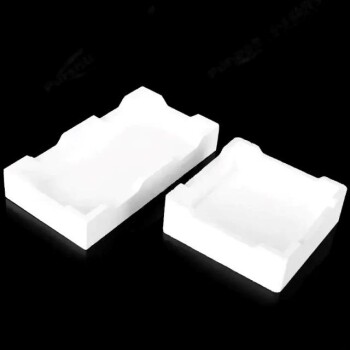
- Alumina Al2O3 Ceramic Crucible Semicircle Boat with Lid for Engineering Advanced Fine Ceramics
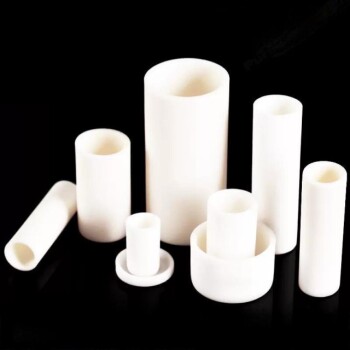
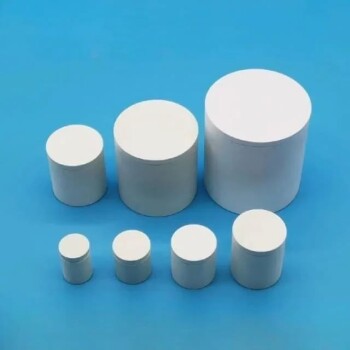
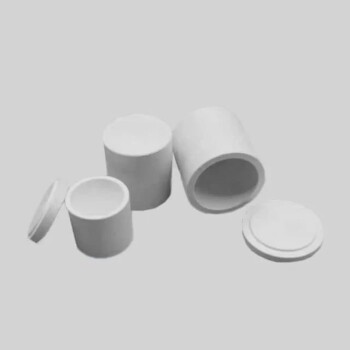
- Engineering Advanced Fine Ceramics Alumina Al2O3 Crucible With Lid Cylindrical Laboratory Crucible
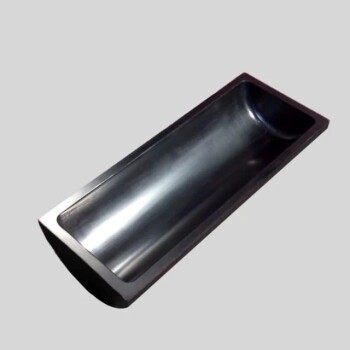
- Arc-Shaped Alumina Ceramic Crucible High Temperature Resistant for Engineering Advanced Fine Ceramics
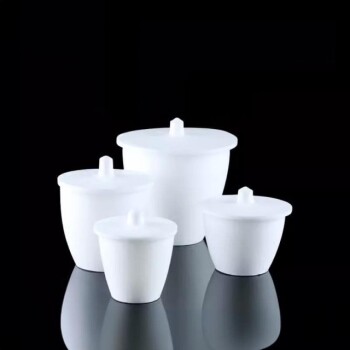
- Custom Machined and Molded PTFE Teflon Parts Manufacturer with PTFE Crucible and Lid
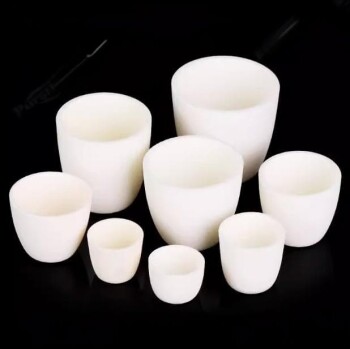
- Engineering Advanced Fine Alumina Al2O3 Ceramic Crucible for Laboratory Muffle Furnace
People Also Ask
- Why are alumina crucibles and mother powder essential for LATP sintering? Optimize Your Solid Electrolyte Performance
- Why are high-purity alumina crucibles used for liquid lead corrosion experiments? Ensure Data Accuracy at 550°C
- Why Use Alumina Crucibles & Powder Burial for NaSICON? Ensure Phase Purity and Prevent Elemental Volatilization
- What is the primary purpose of using alumina crucibles for LLTO ceramics? Optimize Your High-Temperature Sintering
- What are the benefits of using an alumina crucible with a lid for TiB2 nanopowder heat treatment? Ensure High Purity