Ultrasonic cleaning equipment acts as the foundational preparation step in biomedical surface engineering, bridging the gap between raw material manufacturing and high-precision coating. It utilizes high-energy micro-jets generated by cavitation to strip micro-scale debris and oils from substrates like titanium alloys and polymers, ensuring the surface is chemically active for subsequent processing.
Core Insight Effective thin film deposition is impossible on a compromised surface. Ultrasonic processing serves a dual purpose: it physically scours the substrate to remove adhesion barriers for Atomic Layer Deposition (ALD) and can actively modify the surface structure to trigger nucleation for Chemical Vapor Deposition (CVD).
The Mechanics of Surface Preparation
Removing Micro-scale Barriers
The primary function of ultrasonic equipment is the removal of contaminants that are invisible to the naked eye. Through a process called cavitation, the equipment generates microscopic bubbles in a liquid medium that collapse violently against the substrate.
These collapses create high-energy micro-jets. These jets physically dislodge oils, biological debris, and machining residues that would otherwise inhibit film bonding.
Enhancing Adhesion for ALD
For sensitive processes like Atomic Layer Deposition (ALD), surface cleanliness dictates film quality. Even trace contaminants can block the active sites required for the atomic layers to bond.
By thoroughly stripping these contaminants, ultrasonic cleaning exposes the native surface material. This maximizes the density of active sites, significantly improving the adhesion and consistency of the final biomedical coating.
Advanced Surface Modification Roles
Physical Seeding for CVD
Beyond simple cleaning, ultrasonic energy plays an active role in modifying surface topography for specific applications, such as diamond thin film growth.
In this context, ultrasonic dispersion equipment processes solutions containing nanodiamond powders. The vibration forces these diamond seeds to disperse uniformly.
Creating Nucleation Sites
The cavitation effect does more than mix; it can physically embed these seeds into silicon or metal substrates.
This "seeding" process creates a high density of nucleation sites. These sites are a mandatory prerequisite for achieving continuous, smooth diamond thin film growth during Chemical Vapor Deposition (CVD).
Critical Considerations and Trade-offs
Assessing Substrate Sensitivity
While effective, the physical force of cavitation is aggressive. You must evaluate the sensitivity of your biomedical substrate before selecting this method.
High-energy micro-jets can cause pitting or erosion on softer polymers or delicate surface features. The intensity of the ultrasonic frequency must be tuned to clean without inducing structural damage.
Balancing Cost and Complexity
Ultrasonic cleaning adds a distinct step to the workflow, influencing the overall process budget.
While it provides superior depth of cleaning compared to simple rinsing, it creates additional equipment maintenance requirements. You must weigh the need for absolute purity against the added operational complexity.
Making the Right Choice for Your Goal
To select the correct ultrasonic process, you must define the critical success factor for your specific deposition method.
- If your primary focus is Film Adhesion (ALD): Prioritize ultrasonic cleaning to remove oils and debris, ensuring maximum availability of active sites for chemical bonding.
- If your primary focus is Film Continuity (CVD): Utilize ultrasonic dispersion to embed nucleation seeds, which ensures the film grows smoothly without gaps.
Ultimately, the role of ultrasonic equipment is to transform a passive substrate into a receptive foundation for advanced biomedical coatings.
Summary Table:
| Process Objective | Ultrasonic Action | Primary Benefit for Thin Films |
|---|---|---|
| Surface Decontamination | Cavitation-induced micro-jets | Removes oils/debris to expose active sites for ALD bonding |
| Surface Seeding | Ultrasonic dispersion & embedding | Creates high-density nucleation sites for continuous CVD growth |
| Topography Control | Controlled mechanical scouring | Enhances mechanical interlocking between substrate and coating |
| Homogeneity | Uniform energy distribution | Ensures consistent film thickness and adhesion across complex geometries |
Elevate Your Surface Engineering with KINTEK Precision
High-performance thin films demand a flawless foundation. KINTEK specializes in advanced laboratory equipment and consumables, providing the tools necessary for rigorous biomedical research. Whether you are preparing substrates for ALD or CVD using our ultrasonic solutions, or require specialized high-temperature furnaces, PECVD systems, or crushing and milling equipment, we have the expertise to support your workflow.
From PTFE products and ceramics to high-pressure reactors and battery research tools, KINTEK ensures your lab is equipped for success. Contact us today to optimize your deposition preparation and discover how our comprehensive portfolio can enhance your material science outcomes.
References
- Bin Yang. Applications of Titania Atomic Layer Deposition in the Biomedical Field and Recent Updates. DOI: 10.34297/ajbsr.2020.08.001321
This article is also based on technical information from Kintek Solution Knowledge Base .
Related Products
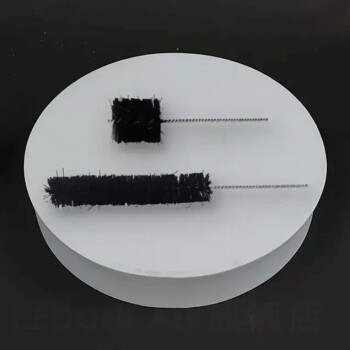
- Conductive Carbon Fiber Brush for Static Removal and Cleaning
- Laboratory Sterilizer Lab Autoclave Pulse Vacuum Lifting Sterilizer
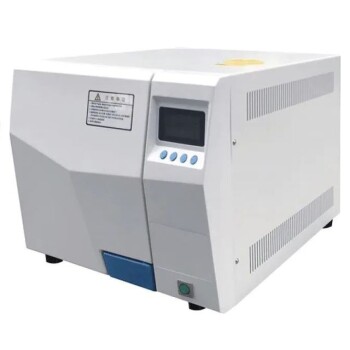
- Laboratory Sterilizer Lab Autoclave Pulsating Vacuum Desktop Steam Sterilizer
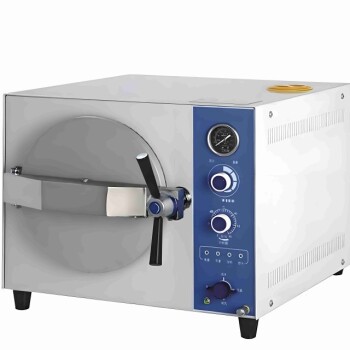
- Desktop Fast Laboratory Autoclave Sterilizer 20L 24L for Lab Use
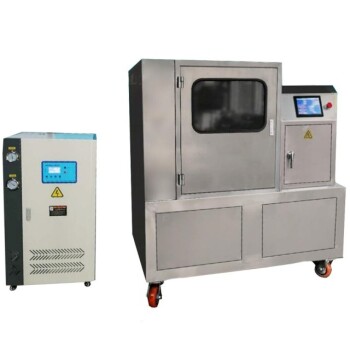
- Low-Temperature Water-Cooled Touchscreen Vibratory Ultrafine Pulverizer
People Also Ask
- What environmental conditions should be avoided when operating or storing a carbon fiber brush? Protect Your Investment from Damage
- What is the recommended cleaning procedure for a carbon fiber brush after use? Extend Brush Life and Maintain Performance
- Why is it important to prevent mechanical damage to a carbon fiber brush? Ensure Peak Performance & Longevity
- What does the regular maintenance inspection of a carbon fiber brush entail? Ensure Peak Performance and Longevity
- Under what conditions should a carbon fiber brush be replaced? Identify Critical Failure to Ensure Performance