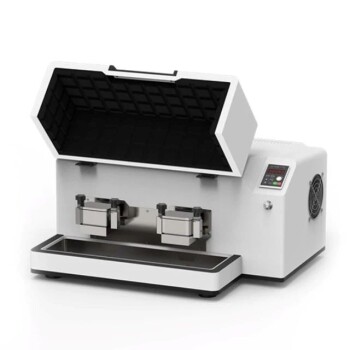
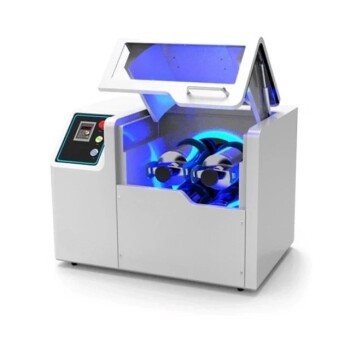
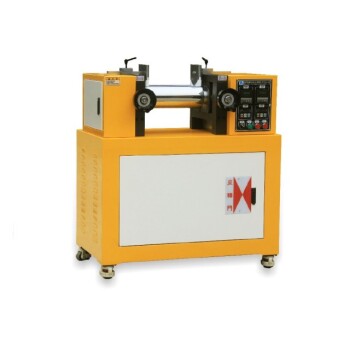
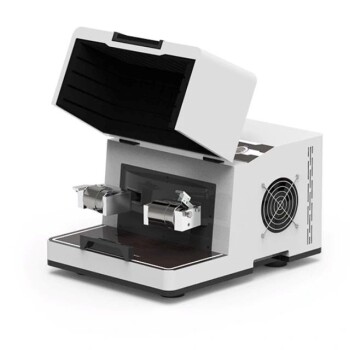
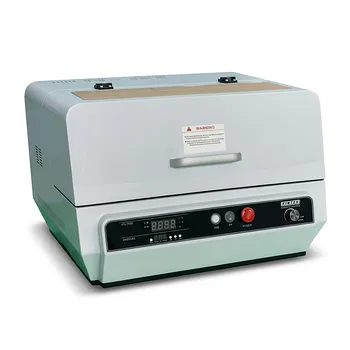
Disc mills serve as a high-throughput mechanical pretreatment solution designed to alter the physical structure of lignocellulosic waste through intense shear forces. These devices utilize two high-speed rotating serrated discs to process raw materials into specific particle sizes, typically around 2 mm, by subjecting them to fiber cutting, external fibrillation, and internal delamination.
Core Takeaway While many milling technologies exist for biomass, the disc mill is uniquely optimized for industrial scalability. Its ability to operate continuously while simultaneously cutting fibers and disrupting their internal structure makes it the preferred choice for large-scale processing where throughput is critical.
The Mechanics of Structural Disruption
Generating Shear Force
The core mechanism of a disc mill involves two serrated grinding discs rotating at high speeds.
Unlike methods that rely heavily on impact or compression, disc mills apply strong shear forces to the biomass. This shearing action is essential for breaking down the tough, fibrous nature of lignocellulosic waste.
Fiber Cutting and Sizing
One of the primary functions of the disc mill is size reduction.
The mill processes raw material down to a specific, consistent particle size (approximately 2 mm). This uniformity is vital for ensuring consistent reaction rates in downstream processes.
Fibrillation and Delamination
Beyond simple cutting, disc mills induce complex structural changes known as external fibrillation and internal delamination.
External fibrillation frays the surface of the fibers, while internal delamination causes the fiber structure to split apart from the inside. These actions dramatically increase the surface area available for chemical or enzymatic attack.
Industrial Scalability and Efficiency
Continuous Operation Mode
The defining advantage of disc mills in an industrial context is their ability to run in continuous operation mode.
Many laboratory-scale methods, such as ball milling, often operate in batches. Disc mills allow for a steady stream of material processing, which is a requirement for commercially viable biorefineries.
Handling Large Volumes
Because of their continuous nature and robust mechanical design, disc mills are particularly suitable for large-scale scenarios.
They can process significant volumes of lignocellulosic waste efficiently, bridging the gap between laboratory research and industrial application.
Understanding the Trade-offs
Mechanism of Action vs. Crystallinity
It is important to distinguish the specific role of a disc mill compared to other mechanical methods like ball mills.
According to supplementary data, ball mills rely on high-energy impact and friction to significantly reduce the crystallinity of cellulose.
Throughput vs. Fine Pulverization
While disc mills are superior for continuous, high-volume processing and fiber separation (fibrillation), ball mills are often cited for creating fine powders and maximizing the destruction of the cell wall structure at a micro-level.
Therefore, the choice of a disc mill implies a prioritization of processing speed and volume (shear and cutting) over the intense, time-consuming impact forces used to reduce crystallinity in batch processes.
Making the Right Choice for Your Goal
To select the appropriate pretreatment technology, consider the scale and specific requirements of your operation:
- If your primary focus is industrial-scale throughput: Prioritize the disc mill. Its continuous operation mode and ability to process large volumes into consistent 2 mm particles via shear force make it the standard for commercial scalability.
- If your primary focus is reducing cellulose crystallinity: Prioritize a ball mill. This method uses high-energy impact to destroy the robust cell wall structure and weaken crystallinity, though typically at a lower throughput than disc milling.
Ultimately, the disc mill is the engine of industrial pretreatment, transforming raw waste into accessible fibers through continuous, high-shear processing.
Summary Table:
| Feature | Disc Mill Performance |
|---|---|
| Primary Mechanism | High-shear force, fiber cutting, and fibrillation |
| Output Particle Size | Approximately 2 mm (Uniform) |
| Operation Mode | Continuous (Ideal for large-scale/industrial) |
| Structural Impact | External fibrillation and internal delamination |
| Key Advantage | High throughput and industrial scalability |
Maximize Your Biorefinery Efficiency with KINTEK
Transition from lab-scale research to industrial-scale production with KINTEK’s high-performance crushing and milling systems. Whether you are processing lignocellulosic waste or developing advanced materials, our robust disc mills and grinding solutions provide the consistent particle sizing and structural disruption required for optimal downstream reactions.
Our laboratory and industrial portfolio includes:
- Crushing & Milling Systems: Disc mills, ball mills, and homogenizers for precise material pretreatment.
- High-Temperature Solutions: Muffle, tube, and vacuum furnaces for advanced thermal processing.
- Reaction Engineering: High-temperature high-pressure reactors, autoclaves, and electrolytic cells.
- Sample Preparation: Hydraulic presses, sieving equipment, and essential ceramics/crucibles.
Don't let processing bottlenecks slow your innovation. Contact KINTEK today to discover how our specialized equipment can enhance your throughput and ensure the success of your biomass pretreatment workflows!
References
- Martin J. Taylor, Vasiliki Skoulou. Choosing Physical, Physicochemical and Chemical Methods of Pre-Treating Lignocellulosic Wastes to Repurpose into Solid Fuels. DOI: 10.3390/su11133604
This article is also based on technical information from Kintek Solution Knowledge Base .
Related Products
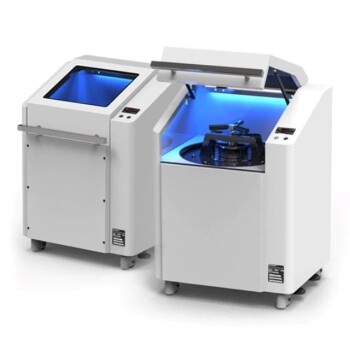
- Vibrating Disc Mill Small Laboratory Grinding Machine
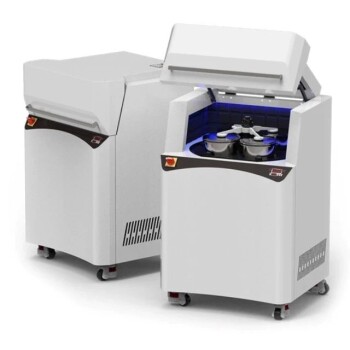
- Laboratory Disc Cup Vibratory Mill for Sample Grinding
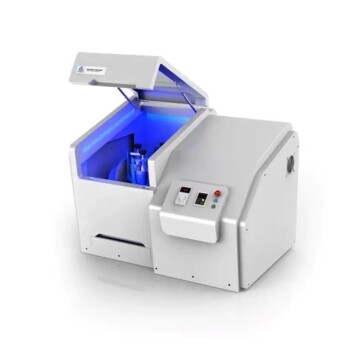
- Disc Cup Vibrating Mill Multi-Platform for Lab
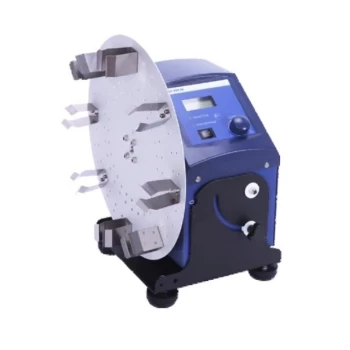
- Laboratory Disc Rotary Mixer for Efficient Sample Mixing and Homogenization
- Laboratory Planetary Ball Mill Rotating Ball Milling Machine
People Also Ask
- What is the function of a laboratory grinding mill? Achieve Precise Sample Preparation for Accurate Results
- What is the function of an industrial vibratory mill? Optimize Fe-Cr-Al Alloy Powder Production
- What laboratory apparatus is used for grinding? Match the Right Mill to Your Sample Material
- Why use stainless steel jars and balls for solid-state battery slurries? Maximize Dispersion and Conductivity
- How does a Vibratory Mill improve niobium recovery efficiency? Optimize Waste Pre-treatment for Maximum Yield