Industrial-grade crushing and sieving systems serve as the critical initial processing step in transforming raw coal gangue into viable building aggregates. By utilizing mechanical breaking and multi-stage sorting, these systems reduce large, irregular gangue blocks into particles within specific, engineered size ranges. This physical transformation is a mandatory prerequisite for the production of lightweight aggregate concrete.
The primary value of these systems extends beyond simple size reduction; they enable precise control over particle shape and gradation, which are the fundamental determinants of the final concrete’s packing density, fluidity, and mechanical strength.
The Mechanics of Material Transformation
The conversion of coal gangue from waste to resource relies on two distinct mechanical actions within these systems.
Mechanical Breaking
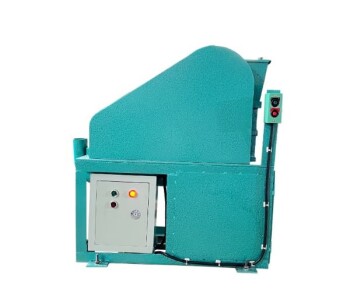
The first stage involves mechanical breaking. Industrial crushers apply force to fracture large, raw coal gangue into smaller, manageable fragments.
This step is essential for reducing the material to a size suitable for fine-tuning and application in concrete mixtures.
Multi-Stage Sorting
Following the breaking process, multi-stage sorting separates the material.
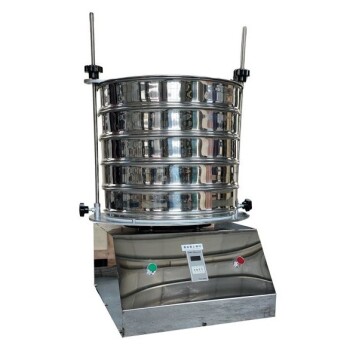
Sieving systems classify the crushed particles into specific size ranges. This ensures consistency and uniformity, preventing the inclusion of oversized or undersized particles that could compromise the aggregate's utility.
Impact on Concrete Performance
The rigorous processing provided by these systems directly influences the physical properties of the resulting concrete. The reference material highlights three key areas of impact.
Precise Control of Shape and Gradation
Crushing and sieving allow engineers to exercise precise control over the aggregate's physical profile.
Rather than accepting random debris, the system produces aggregates with optimized shapes and specific gradations (distribution of particle sizes).
Optimizing Packing Density and Fluidity
The shape and gradation of the aggregate directly dictate the packing density of the concrete mix.
A well-graded aggregate packs together efficiently, reducing voids. Furthermore, the particle shape influences fluidity, determining how easily the wet concrete flows and settles during construction.
Determining Final Mechanical Strength
Ultimately, the physical preparation of the gangue governs the mechanical strength of the hardened concrete.
By ensuring the aggregate is properly sized and graded, the crushing and sieving process lays the foundation for a structurally sound lightweight aggregate concrete.
Understanding the Trade-offs
While necessary, the reliance on mechanical processing introduces specific constraints that must be managed to ensure quality.
The Necessity of Precision
The effectiveness of using coal gangue relies entirely on the precision of the control exercised during processing.
If the sorting is inaccurate, the gradation will be poor. Poor gradation leads to low packing density and compromised structural integrity.
The Link Between Process and Product
There is a direct correlation between the rigor of the sieving process and the final quality of the concrete.
Shortcuts in the crushing or sorting stages will manifest as defects in fluidity or strength later in the project lifecycle.
Making the Right Choice for Your Goal
To maximize the utility of coal gangue aggregates, you must align your processing parameters with your specific engineering requirements.
- If your primary focus is Structural Integrity: Prioritize systems that offer the tightest control over gradation, as this maximizes packing density and final mechanical strength.
- If your primary focus is Workability: Focus on the crushing mechanism's ability to control particle shape, as this directly influences the fluidity of the wet concrete mix.
By mastering the crushing and sieving phase, you turn variable waste into a predictable, high-performance construction resource.
Summary Table:
| Process Stage | Action | Primary Impact on Aggregate |
|---|---|---|
| Mechanical Breaking | Force-based fracture of large blocks | Reduces raw waste to manageable, applicable fragments |
| Multi-Stage Sorting | Gradation and size classification | Ensures consistency and eliminates oversized particles |
| Shape Control | Precision mechanical processing | Improves concrete fluidity and mix workability |
| Gradation Control | Engineered particle distribution | Maximizes packing density and final mechanical strength |
Transform Industrial Waste into High-Performance Resources with KINTEK
Unlock the full potential of coal gangue and other raw materials with KINTEK’s precision-engineered laboratory and industrial solutions. Whether you are optimizing structural integrity or improving workability, our high-performance crushing and milling systems and advanced sieving equipment provide the exact control needed for superior material transformation.
From high-temperature furnaces and hydraulic presses for advanced material research to PTFE products, ceramics, and crucibles for your daily operations, KINTEK specializes in providing the tools that drive innovation in construction and laboratory science. Our comprehensive portfolio is designed to meet the rigorous demands of researchers and engineers globally.
Ready to elevate your material processing? Contact us today to explore our full range of equipment and consumables!
References
- Yinghui Sun, Boxiong Shen. Coal Gangue Utilization: Applications, Challenges, and Sustainable Development Strategies. DOI: 10.3390/en18020444
This article is also based on technical information from Kintek Solution Knowledge Base .
Related Products
- Sealed Jaw Crusher High Efficiency Environmental Protection Safe and Reliable
- Laboratory Test Sieves and Sieving Machines
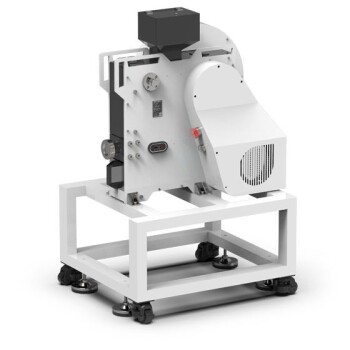
- Three-dimensional electromagnetic sieving instrument
- Laboratory Jaw Crusher
People Also Ask
- How does a jaw crusher contribute to the primary processing of slate waste? Optimize Your Size Reduction Workflow
- What is the primary function of a jaw crusher in ore pre-treatment? Optimize Your Magnesite & Limonite Processing
- What is the use of jaw crusher in laboratory? The Essential First Step for Sample Reduction
- What is a laboratory crusher? The First Step to Accurate Sample Analysis
- What is a jaw crusher for labs? The Essential First Step for Accurate Sample Analysis