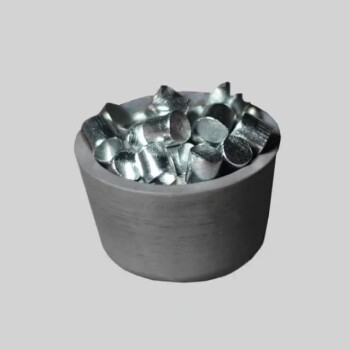
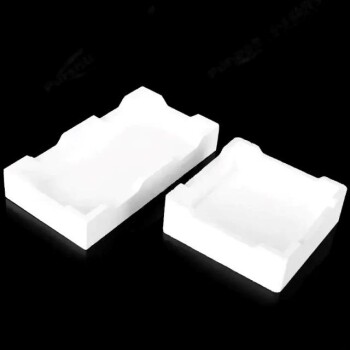
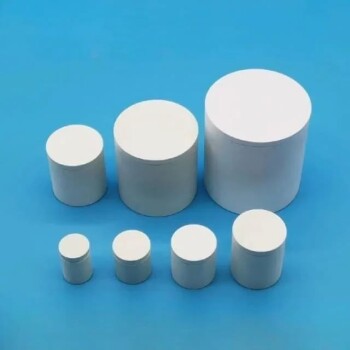
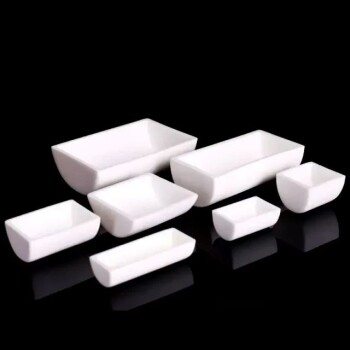
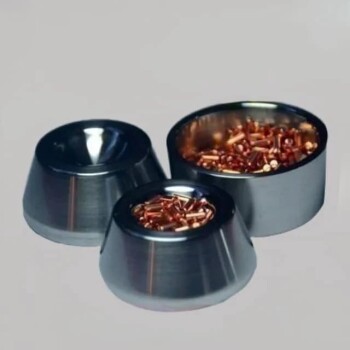
The sealed high-temperature crucible serves as a critical containment system that isolates biomass from trace oxygen and contaminants during pyrolysis. It acts as the primary carrier for raw materials, ensuring an oxygen-limited environment that facilitates uniform thermochemical decomposition. This isolation prevents over-oxidation of the material surface, resulting in biochar with a consistent chemical composition and standardized carbon structure.
The sealed high-temperature crucible is a precision environment-control tool that ensures atmospheric purity and chemical consistency. By shielding biomass from residual oxygen and reactive contaminants, it enables the predictable production of high-quality biochar while protecting the integrity of the heating equipment.
Ensuring Atmospheric Integrity and Material Consistency
Creating an Absolute Oxygen-Limited Environment
While a tube furnace may be purged with inert gas, trace amounts of oxygen often remain. The sealed crucible acts as a secondary barrier, further restricting contact between the raw material and these residual gases.
This dual protection mechanism is essential for "true" pyrolysis. It prevents the combustion of surface materials, ensuring the biomass undergoes thermochemical decomposition rather than partial incineration.
Facilitating Uniform Chemical Composition
By maintaining a stable, sealed environment, the crucible ensures that heat is distributed evenly through the raw material. This consistency is vital for producing biochar with standardized carbon content and repeatable chemical properties.
Without this containment, variations in local oxygen concentrations could lead to non-uniform batches. This would result in biochar with inconsistent pore structures and varying levels of surface oxidation.
Thermal Stability and Chemical Inertness
Resistance to Corrosive Activation Agents
High-temperature crucibles are often used during chemical activation processes involving aggressive agents like potassium hydroxide (KOH). These materials must be chemically inert to ensure the crucible itself does not react with the activators or the biomass.
High-quality materials like quartz or technical ceramics ensure that no impurities leach from the crucible into the biochar. This maintains the high purity required for specialized applications, such as electrochemical capacitors or adsorbent substrates.
Protecting the Core Heating Equipment
During pyrolysis, biomass releases complex volatiles and gases that can be highly corrosive at high temperatures. The crucible contains these reactions, preventing volatiles from directly contacting and corroding the inner walls of the tube furnace.
By acting as a sacrificial or protective barrier, the crucible significantly extends the service life of the furnace. It also prevents cross-contamination between different experimental runs by localizing the reaction residue.
Enhancing Synergistic Reactions and Physical Transformation
Supporting Phase Changes and Material Synergy
The crucible provides the necessary physical space for materials to undergo phase changes, such as melting or gasification, without spreading across the furnace. It ensures that different components—such as biomass and polymer masks—maintain close physical contact.
This proximity is critical for promoting synergistic reactions. These interactions can enhance the final product's heating value, carbon density, and the anchoring of functional nanoparticles onto the biochar surface.
Managing High-Temperature Impregnation
In the synthesis of specialized products like magnetic biochar, crucibles hold biomass impregnated with metal salts (e.g., iron nitrate). The crucible ensures these salts are properly converted into nanoparticles within the biochar pores during secondary pyrolysis.
The stable environment provided by the crucible allows for precise control over the dwelling time and heating rate. This control is fundamental for ensuring that metal particles are firmly anchored and distributed throughout the biochar substrate.
Understanding the Trade-offs
Material Limitations and Thermal Shock
Not all crucibles are suited for every pyrolysis temperature or chemical environment. For example, while quartz offers excellent purity and visibility, it may have lower resistance to certain alkaline activators compared to specialized alumina ceramics.
Furthermore, rapid heating or cooling cycles can cause thermal shock, leading to structural failure or cracking of the crucible. Users must balance the need for high heating rates (e.g., 10 °C/min) with the mechanical limits of the crucible material.
Pressure Management and Gas Escape
A "sealed" crucible in a pyrolysis context must often allow for the controlled escape of produced gases to prevent pressure buildup. If a seal is too tight, it risks mechanical failure of the vessel; if too loose, it allows the ingress of oxygen.
Finding the balance between maintaining an oxygen-free environment and allowing volatiles to vent is a primary challenge in crucible design. This balance is critical for both the safety of the operation and the quality of the resulting carbon structure.
Applying This to Your Pyrolysis Project
Selection Based on Experimental Goals
- If your primary focus is high-purity analytical results: Utilize a high-purity quartz crucible to eliminate the risk of mineral contamination from the vessel itself.
- If your primary focus is chemical activation (e.g., KOH etching): Select a chemically resistant ceramic crucible (such as alumina) that can withstand aggressive chemical agents at 800°C.
- If your primary focus is equipment longevity: Ensure the crucible is tall enough or appropriately capped to prevent sample volatiles from splashing or depositing on the furnace tube walls.
- If your primary focus is material synergy (e.g., co-pyrolysis): Use a crucible that allows for manual mixing and ensures close physical contact between different raw materials during the heating phase.
Selecting the appropriate crucible is not a secondary concern; it is a fundamental requirement for achieving predictable, high-quality biochar and protecting your laboratory infrastructure.
Summary Table:
| Key Role | Primary Benefit | Recommended Material |
|---|---|---|
| Oxygen Isolation | Prevents over-oxidation and combustion for true pyrolysis | Quartz or Technical Ceramics |
| Chemical Resistance | Withstands aggressive activators like KOH during etching | Alumina Ceramics |
| Atmospheric Control | Ensures uniform carbon structure and pore distribution | Sealed/Capped Crucibles |
| Equipment Shielding | Protects furnace walls from corrosive volatiles and splash | High-form Alumina/Quartz |
| Reaction Management | Facilitates synergistic reactions in co-pyrolysis | Large-volume Crucibles |
Elevate Your Pyrolysis Research with KINTEK Precision
Achieving high-quality, standardized biochar requires precise environmental control. KINTEK specializes in high-performance laboratory equipment designed to withstand the rigors of thermochemical decomposition. From our robust high-temperature tube and vacuum furnaces to our premium range of ceramic and quartz crucibles, we provide the tools necessary to ensure material purity and protect your laboratory infrastructure.
Whether you are focusing on chemical activation, magnetic biochar synthesis, or large-scale pyrolysis, KINTEK offers a comprehensive portfolio including:
- High-Temperature Furnaces: Muffle, tube, vacuum, and atmosphere-controlled models.
- Essential Consumables: High-purity alumina, quartz, and PTFE crucibles.
- Advanced Reactors: High-pressure autoclaves and CVD/PECVD systems.
Ready to optimize your carbon material production? Contact our technical experts today to find the perfect equipment configuration for your specific research goals.
References
- Jiankun Chen, Jianan Wang. Synthesis of Modified Walnut Shell Biochar and Its Performance of Cadmium Adsorption. DOI: 10.4236/gep.2023.119020
This article is also based on technical information from Kintek Solution Knowledge Base .
Related Products
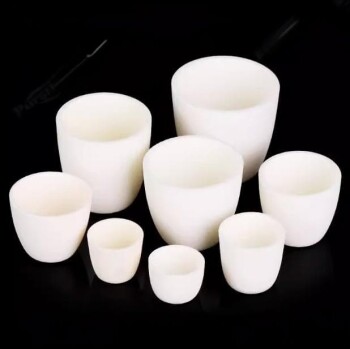
- Arc-Shaped Alumina Ceramic Crucible High Temperature Resistant for Engineering Advanced Fine Ceramics
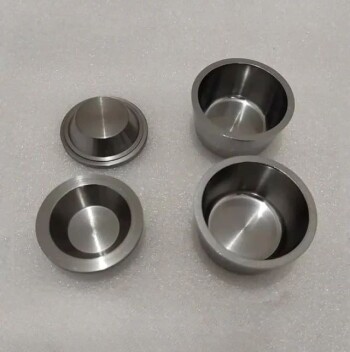
- Electron Beam Evaporation Coating Tungsten Crucible and Molybdenum Crucible for High Temperature Applications
- High Purity Pure Graphite Crucible for Evaporation
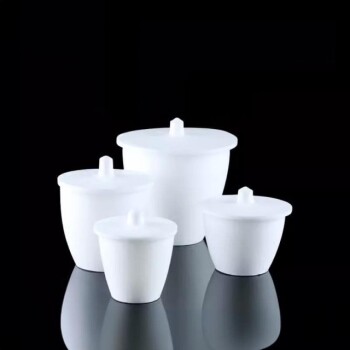
- Custom Machined and Molded PTFE Teflon Parts Manufacturer with PTFE Crucible and Lid
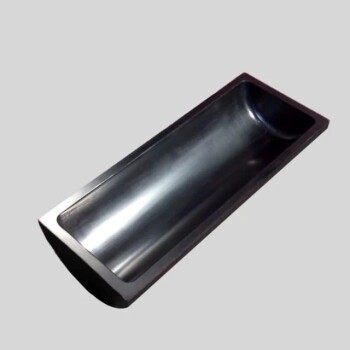
- Carbon Graphite Boat -Laboratory Tube Furnace with Cover
People Also Ask
- Why Use Alumina Crucibles & Powder Burial for NaSICON? Ensure Phase Purity and Prevent Elemental Volatilization
- What is the primary purpose of using alumina crucibles for LLTO ceramics? Optimize Your High-Temperature Sintering
- Why are alumina crucibles and mother powder essential for LATP sintering? Optimize Your Solid Electrolyte Performance
- Why are high-purity alumina crucibles used for liquid lead corrosion experiments? Ensure Data Accuracy at 550°C
- Primary considerations for choosing alumina crucibles and quartz tubes in indium intercalation: Ensure Material Purity