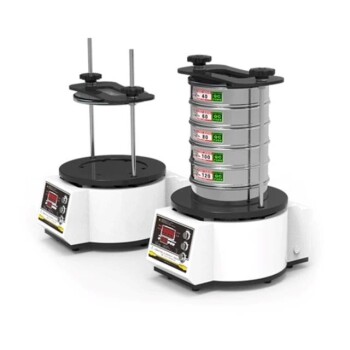
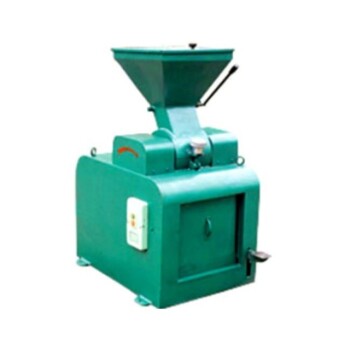
Mechanical pretreatment is the absolute prerequisite for efficient metal recovery. Crushing and sieving systems are indispensable because they transform the bulk ceramic honeycomb structure of spent catalytic converters into a powder with specific fine particle sizes. This physical transformation is critical to exposing the trapped platinum, enabling the chemical and thermal interactions required to extract it.
The conversion of macroscopic ceramic structures into fine powders maximizes the specific surface area available for reaction. This step creates the essential physical conditions required for fluxes or leaching solutions to access and extract platinum efficiently.
The Physics of Accessibility
Breaking Down the Ceramic Matrix
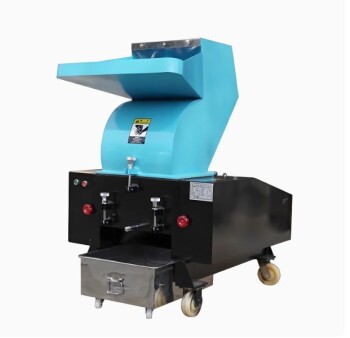
Automotive catalysts utilize a rigid ceramic honeycomb structure to house precious metals. Crushing systems are required to mechanically grind this solid structure, breaking the physical bond between the platinum and the bulky substrate.
Maximizing Reactive Surface Area
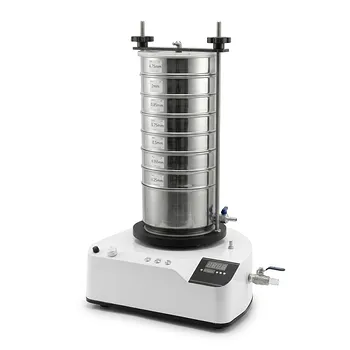
Sieving ensures the ground material meets precise size specifications. By reducing the material to a fine powder, the process significantly increases the specific surface area. This exposure is the defining factor in whether downstream chemicals can physically contact and react with the platinum.
Impact on Recovery Methodologies
Pyrometallurgy: Ensuring Uniform Melting
In processes involving high heat, the prepared powder must be mixed with chemical fluxes. Crushing and sieving allow for thorough, homogenous mixing between the catalyst material and the flux. This ensures that when melting occurs, the reaction is consistent and efficient throughout the batch.
Hydrometallurgy: Enabling Deep Penetration
For processes using aqueous chemistry, the leaching solutions must physically touch the metal to dissolve it. Fine particle sizes allow these solutions to achieve deep penetration. Without this step, leaching agents could not access platinum trapped inside larger, uncrushed ceramic fragments.
Critical Implications for Yield
The Consequence of Inconsistency
If the mechanical pretreatment is skipped or poorly executed, reagents cannot make contact with the target metals. This directly results in lower recovery rates, as unexposed platinum remains trapped in the waste residue.
Enhancing Final Purity
Proper crushing and sieving do not just improve yield; they also enhance the purity of the recovered metal. By ensuring the ceramic substrate is fully processed, the separation of the platinum from impurities becomes more effective during the final extraction phases.
Optimizing Your Recovery Strategy
To ensure maximum value extraction from spent catalytic converters, you must align the physical size of your material with your chosen chemical process.
- If your primary focus is Pyrometallurgical Recovery (Melting): Ensure your crushing system yields a particle size that allows for a perfectly homogenous mixture with your specific fluxes.
- If your primary focus is Hydrometallurgical Recovery (Leaching): Prioritize a sieve size that maximizes surface area to permit full saturation and penetration by acids or leaching agents.
The efficiency of your chemical chemistry is strictly limited by the quality of your physical preparation.
Summary Table:
| Process Step | Primary Function | Impact on Platinum Recovery |
|---|---|---|
| Crushing | Breaks down the rigid ceramic honeycomb matrix. | Releases platinum trapped within the solid substrate. |
| Grinding | Reduces material to a fine, uniform powder. | Maximizes specific surface area for chemical/thermal reactions. |
| Sieving | Ensures precise particle size classification. | Enables deep penetration of leaching agents and uniform flux mixing. |
| Homogenization | Creates a consistent mixture of catalyst and reagents. | Prevents inconsistent melting and metal loss in waste residue. |
Unlock the Full Value of Your Precious Metal Recovery
Don't let valuable platinum go to waste due to inefficient material preparation. KINTEK specializes in high-performance laboratory solutions designed to optimize every stage of your extraction workflow. From robust crushing and milling systems and precision sieving equipment to industrial-grade hydraulic presses and high-temperature furnaces (muffle, tube, rotary, and vacuum), we provide the tools necessary to ensure maximum yield and purity.
Whether you are performing hydrometallurgical leaching or pyrometallurgical melting, our comprehensive portfolio—including high-temperature high-pressure reactors, electrolytic cells, and essential ceramic crucibles—is engineered to meet the rigorous demands of battery research and precious metal recycling.
Ready to enhance your lab's efficiency and recovery rates? Contact KINTEK today to find the perfect equipment for your application!
References
- Rafael Granados‐Fernández, Justo Lobato. Platinum Recovery Techniques for a Circular Economy. DOI: 10.3390/catal11080937
This article is also based on technical information from Kintek Solution Knowledge Base .
Related Products
- Laboratory Test Sieves and Sieving Machines
- Three-dimensional electromagnetic sieving instrument
- Laboratory Vibratory Sieve Shaker Machine for Dry and Wet Three-Dimensional Sieving
- Powerful Plastic Crusher Machine
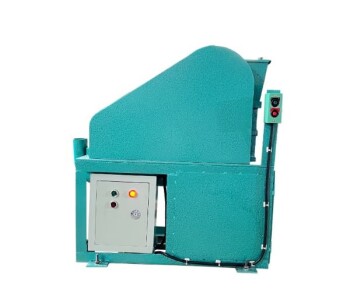
- Laboratory Jaw Crusher
People Also Ask
- What are laboratory test sieves used for? A Guide to Particle Size Analysis
- How do you calculate the sieve test? Master Particle Size Distribution for Quality Control
- How does a lab test sieve contribute to biomass charcoal powder preparation? Achieve Uniform Particle Size
- What are the specifications for test sieves? A Guide to ASTM & ISO Standards for Accurate Particle Analysis
- What materials are required for sieving? Achieve Accurate Particle Size Analysis