Viton O-rings are utilized in carbochlorination setups primarily for their exceptional chemical inertness and resistance to corrosion in harsh environments. They are specifically chosen to withstand high concentrations of chlorine gas, creating a reliable vacuum seal between the reactor and its lid to prevent toxic leaks.
The selection of Viton is dictated by the need for a seal that does not degrade under chlorine exposure. This ensures the containment of toxic gases and the preservation of the controlled atmosphere necessary for the reaction.
The Necessity of Chemical Resistance
Withstanding Chlorine Gas
Carbochlorination environments are defined by high concentrations of chlorine gas. Standard sealing materials often degrade rapidly when exposed to such corrosive elements.
Material Inertness
Viton is utilized because it possesses the specific chemical inertness required to survive this exposure. It maintains its structural integrity where other materials would chemically break down.
Ensuring Experimental Safety and Stability
Maintaining the Vacuum
These experimental setups rely on a precise vacuum seal between the reactor and its lid. Viton provides the reliable barrier needed to maintain this pressure differential without leaking.
Preventing Toxic Leakage
Beyond experimental data, safety is paramount. The Viton O-ring effectively prevents the leakage of toxic chlorine gas into the surrounding laboratory environment.
Understanding the Risks of Substitution
Degradation Hazards
The primary trade-off in this context is the risk associated with using alternative, less resistant materials. Failing to use Viton invites rapid degradation of the seal.
Loss of Atmosphere Control
A compromised seal destroys the controlled atmosphere required for the reaction. Viton is the critical component that ensures the internal environment remains stable throughout the experiment.
Making the Right Choice for Your Setup
When designing or maintaining a carbochlorination reactor, the sealing material determines the safety and validity of your results.
- If your primary focus is Personnel Safety: Prioritize Viton to strictly prevent the escape of hazardous chlorine gas fumes.
- If your primary focus is Data Integrity: Rely on Viton to maintain the vacuum and stable atmosphere required for consistent reaction conditions.
Choosing the right seal is the first line of defense in managing both chemical risks and experimental variables.
Summary Table:
| Feature | Benefit of Viton O-Rings |
|---|---|
| Chemical Resistance | Withstands high concentrations of corrosive chlorine gas without degradation. |
| Seal Reliability | Maintains a stable vacuum seal between the reactor and lid. |
| Safety Assurance | Prevents toxic gas leaks into the laboratory environment. |
| Atmosphere Control | Ensures a consistent, controlled environment for carbochlorination reactions. |
| Material Durability | Retains structural integrity in harsh chemical environments where others fail. |
Secure Your High-Temperature Research with KINTEK
Don't compromise on safety or experimental precision. At KINTEK, we specialize in providing high-performance laboratory equipment and consumables designed for the most demanding environments.
Whether you are operating high-temperature high-pressure reactors and autoclaves, maintaining CVD or vacuum furnaces, or utilizing PTFE and ceramic consumables, we provide the quality you can trust. Our range of specialized seals, electrolytic cells, and battery research tools ensures your carbochlorination and chemical synthesis setups remain airtight and reliable.
Ready to upgrade your lab's safety and data integrity? Contact KINTEK experts today to find the perfect sealing solutions and advanced equipment for your specific research needs!
References
- Alexandra Anderson, Brajendra Mishra. Investigation of the Carbochlorination Process for Conversion of Cerium and Neodymium Oxides into Their Chlorides. DOI: 10.1007/s40831-015-0023-7
This article is also based on technical information from Kintek Solution Knowledge Base .
Related Products
- Ultra-High Vacuum Flange Aviation Plug Glass Sintered Airtight Circular Connector for KF ISO CF
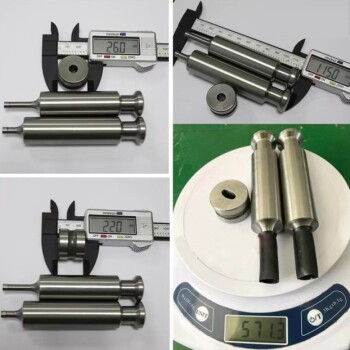
- Multi-Punch Rotary Tablet Press Mold Ring for Rotating Oval and Square Molds
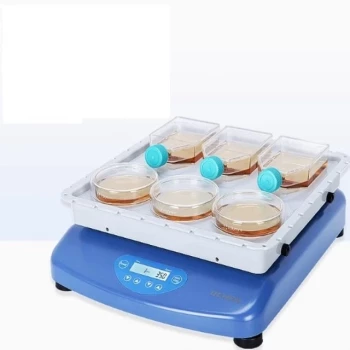
- Laboratory Oscillating Orbital Shaker
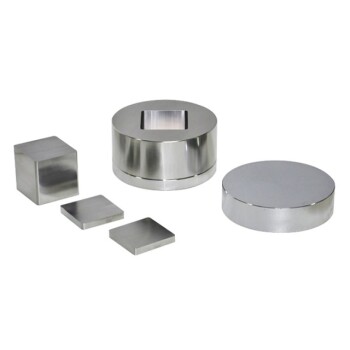
- Cylindrical Press Mold with Scale for Lab
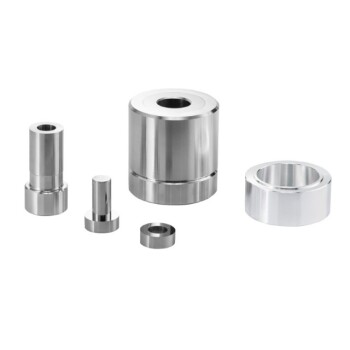
- Ring Press Mold for Lab Applications
People Also Ask
- What is high vacuum used for? Essential for Particle Beams and Advanced Lab Instruments
- What is Ultra-High Vacuum CVD (UHVCVD)? Achieve Superior Purity in Advanced Material Deposition
- Why are Viton O-rings considered essential consumables for the high-temperature sealing interfaces of microreactors?
- Is a brazed joint strong? Yes, It Can Be Stronger Than the Base Metal
- What are the factors that affect the strength of a brazed joint? Master the 4 Keys to a Perfect Bond