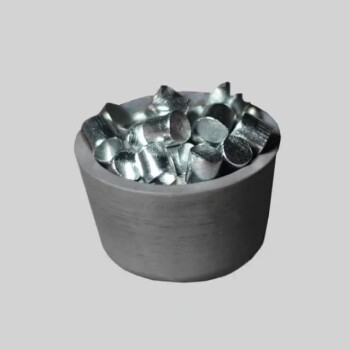
Graphite crucibles are the preferred containment vessel for synthesizing Na2S-NPS-C composites because they combine exceptional high-temperature resistance with chemical inertness. They specifically withstand the 850°C melting temperatures required for the process without degrading or contaminating the highly reactive sulfide materials.
The success of the casting-annealing process relies on preventing contamination during the high-heat melt. Graphite is selected because it acts as a chemically neutral barrier, ensuring that the reactive sulfides melt into a pure glass phase without reacting with the container walls.
The Critical Role of Chemical Stability
Resisting Sulfide Reactivity
The raw materials involved in this process, specifically sodium sulfide (Na2S) and phosphorus pentasulfide (P2S5), are chemically aggressive. Graphite remains inert in the presence of these compounds, effectively preventing side reactions that would otherwise occur with different crucible materials.
Ensuring Material Purity
Any reaction between the melt and the crucible wall would introduce impurities into the final composite. By functioning as a non-reactive container, graphite guarantees the purity of the molten Na-P-S glass phase. This is essential for ensuring the electrochemical performance of the final composite material.
Thermal Performance and Handling
Withstanding High Melting Points
The casting-annealing process requires heating the raw mixture to approximately 850°C. Graphite exhibits excellent thermal stability, maintaining its structural integrity and shape at these elevated temperatures without softening or cracking.
Facilitating the Quench Process
The reference notes that the crucible must facilitate the transfer of the melt for quenching. Graphite’s thermal properties and durability allow the vessel to be moved safely while containing the molten liquid, enabling the rapid cooling necessary to fix the glass phase structure.
Why Alternatives Often Fail
The Risk of Component Interaction
While not explicitly detailed in the reference, the choice of graphite implies the unsuitability of other common materials. Standard ceramic or oxide-based crucibles often react with molten alkali sulfides.
Prevention of Crucible degradation
Graphite is chosen specifically to avoid the degradation that occurs when aggressive melts attack the binder or matrix of less stable vessels. This ensures the crucible does not fail mechanically during the critical heating and transfer stages.
Optimizing Synthesis for Material Quality
To ensure high-performance Na2S-NPS-C composites, the selection of the containment vessel is as critical as the stoichiometry of the raw materials.
- If your primary focus is chemical purity: Rely on graphite to act as an inert barrier, preventing the aggressive sulfide melt from leaching elements from the crucible walls.
- If your primary focus is process safety: Use graphite to ensure the vessel maintains structural integrity at 850°C during both the melting and the transfer-to-quench phases.
Ultimately, the graphite crucible is utilized not just as a holder, but as a critical process control tool to preserve the chemical integrity of the sulfide glass.
Summary Table:
| Feature | Graphite Crucible Benefit | Importance in Na2S-NPS-C Synthesis |
|---|---|---|
| Chemical Inertness | Resists aggressive sulfide reactions | Prevents contamination of the molten glass phase |
| Thermal Stability | Maintains integrity at 850°C+ | Ensures vessel safety during high-heat melting |
| Material Purity | Non-reactive container walls | Guarantees electrochemical performance of composites |
| Thermal Handling | Durable during quenching transfers | Facilitates rapid cooling to fix glass phase structure |
Elevate Your Advanced Material Synthesis with KINTEK
Precise material synthesis requires more than just high temperatures; it demands the highest quality containment to ensure chemical purity. At KINTEK, we specialize in providing high-performance laboratory equipment and consumables tailored for rigorous research environment.
Whether you are developing next-generation battery materials or complex composites, our comprehensive range of graphite and ceramic crucibles, high-temperature furnaces (muffle, tube, vacuum), and crushing and milling systems are designed to meet the strictest industry standards.
Why choose KINTEK?
- Superior Durability: Our crucibles withstand aggressive chemical melts without degradation.
- Precision Control: Our furnaces ensure uniform heating for sensitive casting-annealing processes.
- Expert Support: We provide the tools necessary for battery research, from pellet presses to electrochemical cells.
Contact KINTEK today to find the perfect equipment for your lab and ensure the success of your next synthesis project!
Related Products
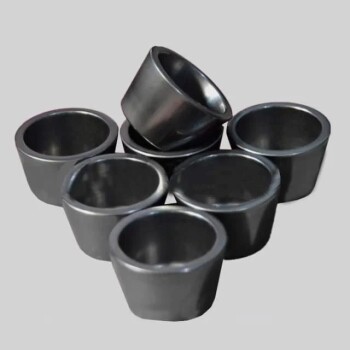
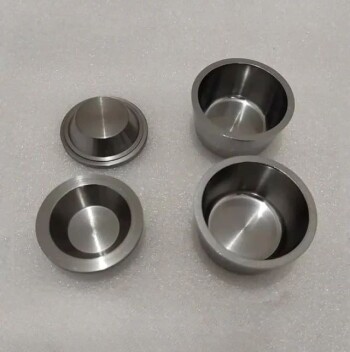
- High Purity Pure Graphite Crucible for Evaporation
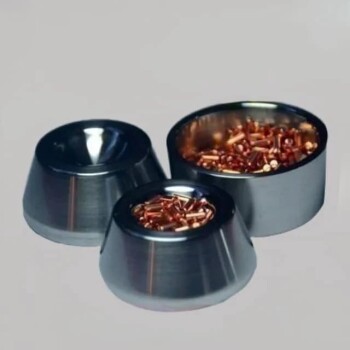
- High Purity Pure Graphite Crucible for Electron Beam Evaporation
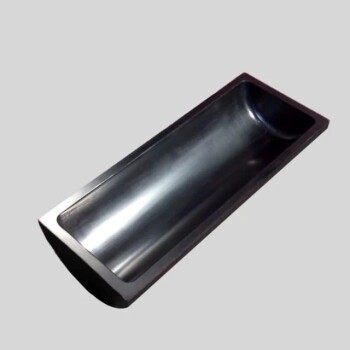
- Carbon Graphite Boat -Laboratory Tube Furnace with Cover
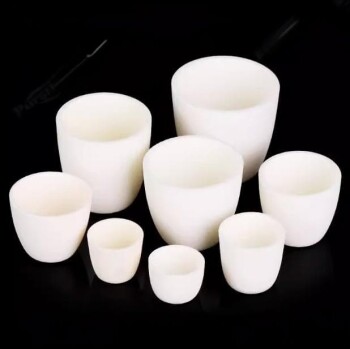
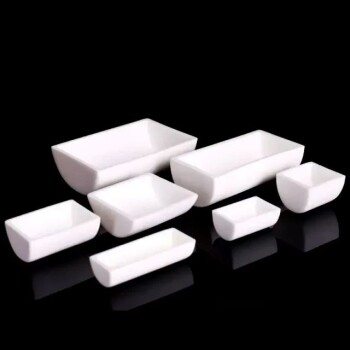
- Arc-Shaped Alumina Ceramic Crucible High Temperature Resistant for Engineering Advanced Fine Ceramics
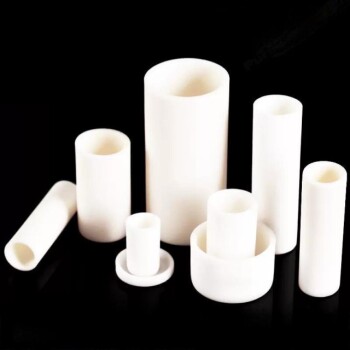
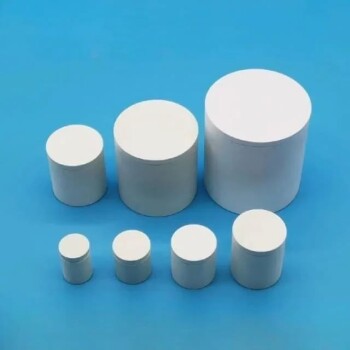
- Engineering Advanced Fine Ceramics Alumina Al2O3 Crucible With Lid Cylindrical Laboratory Crucible
People Also Ask
- Why are high-purity graphite crucibles preferred for sulfide solid electrolytes? Achieve Superior Material Purity
- Why is a high-purity graphite crucible required for Chromel-TaC composites? Ensure Peak Purity at 1400°C
- What role do high-purity graphite crucibles play in molten salt corrosion research? Ensure Reactor-Grade Precision
- Why are high-purity graphite crucibles used for magnesium distillation? Ensure 3N8 Purity & Thermal Stability
- Why is a high-purity graphite crucible ideal for nitrogen-doped graphene at 1500 °C? Maximize Purity and Stability