Anodic activation is the fundamental prerequisite for achieving a high-quality bond between 304L stainless steel and a chromium coating. This process utilizes a high-concentration sulfuric acid electrolytic cell to strip away the steel's naturally occurring passive oxide layer. By forcing electrons away from the substrate, it exposes a chemically active, fresh metallic surface that is essential for strong adhesion.
The natural corrosion resistance of 304L stainless steel creates a barrier to electroplating. Anodic activation dissolves this passive oxide "skin," transforming the surface from inert to reactive to ensure the chromium coating does not delaminate.
The Challenge of Passivation
The Natural Barrier
304L stainless steel is prized for its corrosion resistance. This resistance comes from a passive oxide layer that spontaneously forms on the surface when exposed to air.
Why Plating Fails Without Activation
While this oxide layer protects the steel, it is disastrous for electroplating. If you attempt to plate chromium directly onto this oxide skin, the coating will not bond with the underlying metal.
The Consequence of Inaction
Without removing this layer, the chromium coating will merely sit on top of the oxide. This leads to weak adhesion, blistering, and eventual peeling of the coating under stress.
The Mechanism of Anodic Activation
Reversing the Flow
In the activation process, the 304L stainless steel serves as the anode within the electrolytic system. This is the reverse of a typical plating setup, where the part usually acts as the cathode.
Electron Displacement
By making the steel the anode, the system forces electrons away from the substrate. This electrochemical action aggressively attacks the surface of the steel.
Exposing Fresh Metal
This process effectively dissolves the passive oxide layer. The result is a fresh, "active" metallic structure that is chemically receptive to the subsequent chromium ions.
Essential Preparation: The Role of Cleaning
Physical vs. Chemical Cleaning
Before anodic activation can address the chemical oxide layer, the surface must be physically clean. The activation process cannot work uniformly if the surface is masked by debris.
Removing Contaminants
Ultrasonic cleaning is used prior to activation to remove residual polishing abrasives and cleaning agents like acetone. These contaminants are often trapped in surface micropores.
Preventing Defects
If these impurities remain, they interfere with the activation process. This leads to coating defects, reduced adhesion, or impurities becoming trapped between the steel and the chromium.
Understanding the Trade-offs
Process Sensitivity
Anodic activation is aggressive by design. It relies on high-concentration sulfuric acid, which requires careful handling and precise control of current density to avoid etching the metal too deeply.
The Risk of Re-oxidation
Once the surface is activated, it is highly reactive. The transfer to the chromium plating bath must be immediate to prevent the passive oxide layer from reforming, which would undo the activation.
Making the Right Choice for Your Goal
To ensure the success of your chromium electroplating process, consider the following priorities:
- If your primary focus is Adhesion Strength: Prioritize the precise control of the anodic activation phase to ensure the complete removal of the passive oxide layer without over-etching the substrate.
- If your primary focus is Surface Finish Quality: rigorous ultrasonic cleaning must precede activation to remove micropore contaminants that cause pitting and roughness.
The integrity of your final chromium coating is determined not by the plating bath itself, but by the chemical purity of the stainless steel surface the moment before plating begins.
Summary Table:
| Feature | Purpose in Pre-Plating Process | Impact on Chromium Coating |
|---|---|---|
| Ultrasonic Cleaning | Removes debris, polishing abrasives, and oils | Prevents pitting and surface defects |
| Anodic Activation | Dissolves the natural passive oxide layer | Ensures strong chemical bonding/adhesion |
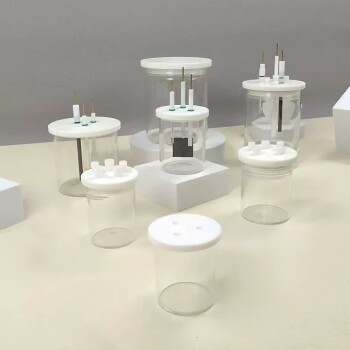
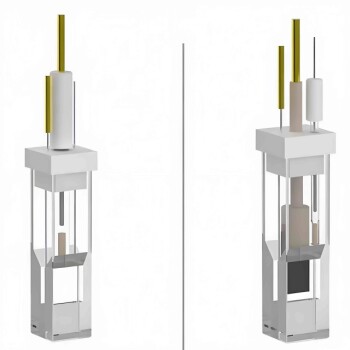
| Sulfuric Acid Cell | Provides the electrolytic medium for activation | Exposes a fresh, reactive metallic surface |
| Anode Connection | Forces electron displacement from substrate | Chemically activates the 304L surface |
Elevate Your Electroplating Precision with KINTEK
Achieving flawless adhesion on 304L stainless steel requires more than just chemistry—it requires high-performance equipment. KINTEK specializes in advanced laboratory solutions, offering premium electrolytic cells and electrodes designed for rigorous anodic activation, alongside state-of-the-art ultrasonic cleaners and high-temperature furnaces for comprehensive material preparation.
Whether you are conducting battery research or specialized metal finishing, our range of consumables (PTFE, ceramics, crucibles) and cooling solutions ensures your lab maintains the highest standards of accuracy. Don't let passive oxide layers compromise your results. Contact our technical experts today to find the perfect equipment for your research and production needs!
References
- Bright O. Okonkwo, Ali Davoodi. Development and optimization of trivalent chromium electrodeposit on 304L stainless steel to improve corrosion resistance in chloride-containing environment. DOI: 10.1016/j.heliyon.2023.e22538
This article is also based on technical information from Kintek Solution Knowledge Base .
Related Products
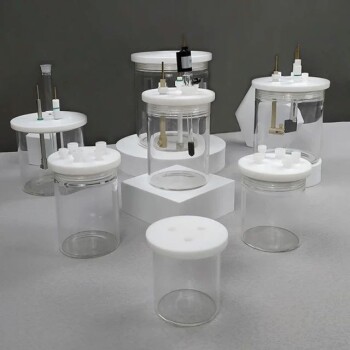
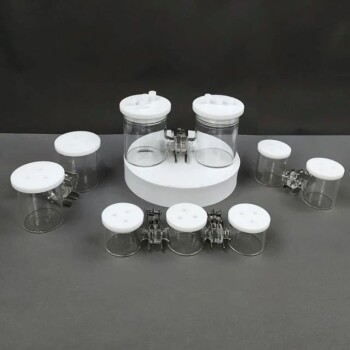
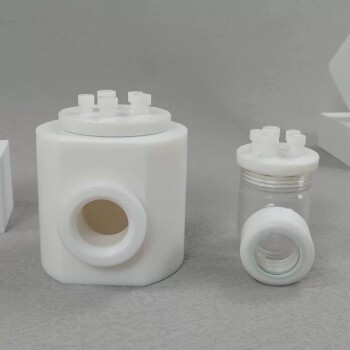
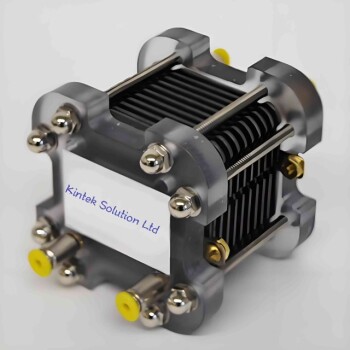
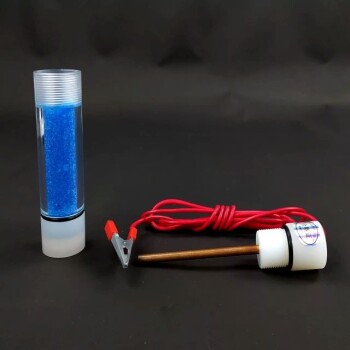
- PTFE Electrolytic Cell Electrochemical Cell Corrosion-Resistant Sealed and Non-Sealed
- Electrolytic Electrochemical Cell with Five-Port
- H Type Electrolytic Cell Triple Electrochemical Cell
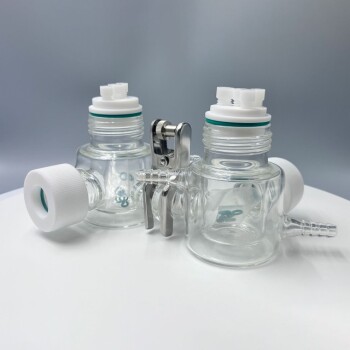
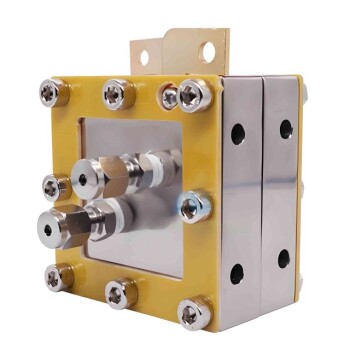
- Electrolytic Electrochemical Cell Gas Diffusion Liquid Flow Reaction Cell
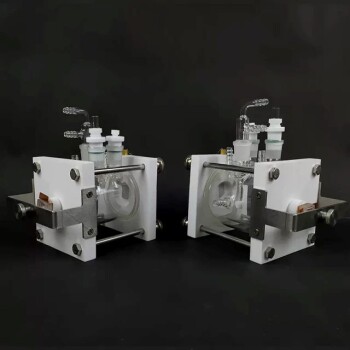
- H-Type Double-Layer Optical Electrolytic Electrochemical Cell with Water Bath
People Also Ask
- What is the necessity of selecting a PTFE electrolytic cell? Ensure Precise Graphene Corrosion Testing Accuracy
- What is the proper method for cleaning the surface of an all-PTFE electrolytic cell? Ensure Accurate Results with a Pristine Surface
- How should an all-PTFE electrolytic cell be stored after use? Expert Maintenance Tips for Long-Lasting Performance
- What is the proper cleaning method for an all-PTFE electrolytic cell? Essential Tips for Surface Integrity
- What are the standard opening specifications for all-PTFE electrolytic cells? A Guide to Sealed vs. Non-Sealed Ports