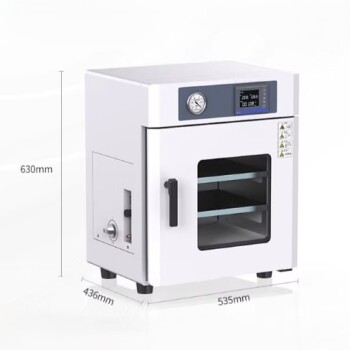
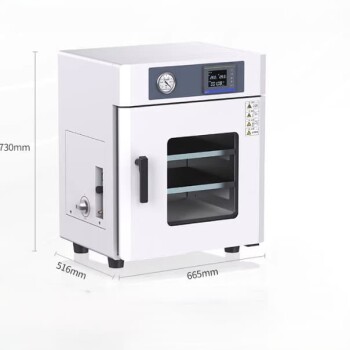
Establishing a stable analytical baseline is the primary reason for using a high-temperature drying oven during the initial stage of aluminum sludge recycling. By treating the sludge at 105°C for 24 hours, the process thoroughly removes free water and a portion of bound water. This dehydration creates a predictable dry solid, which is essential for accurate mass measurement and the standardization of critical physicochemical characterizations.
Raw aluminum sludge contains fluctuating moisture levels that distort data. The drying process converts variable material into a "stable dry solid," ensuring that measurements of Aluminum content and Chemical Oxygen Demand (COD) are based on a fixed, standardized foundation rather than a variable wet mass.
Achieving Material Stability
To recycle aluminum sludge effectively, you must first understand exactly what materials are present. The drying oven is the tool used to normalize the sample before any analysis begins.
Targeting Specific Moisture Types
Aluminum sludge holds water in different ways. The high-temperature treatment specifically targets free water (moisture on the surface or between particles) and a portion of the bound water (moisture chemically or physically trapped within the structure).
Creating a Stable Solid
Removing this water transforms the sludge from a wet, variable paste into a stable dry solid. Without this step, the material's properties would fluctuate based on ambient humidity or storage conditions.
The Role in Standardization
The core purpose of this thermal treatment is not just dehydration, but the standardization of data. If you analyze wet sludge, your results are skewed by the water weight.
Accurate Mass Measurement
Recycling efficiency relies on knowing the exact mass of the raw material. By establishing a dry solid state, operators can perform accurate mass measurements. This eliminates the error margin introduced by evaporating moisture during the weighing process.
Physicochemical Characterization
To optimize the recycling process, specific chemical properties must be measured. The dry solid serves as the required foundation for characterizing:
- Aluminum Content: Determining the exact yield potential of the sludge.
- Chemical Oxygen Demand (COD): Measuring the amount of oxygen required to degrade organic matter in the waste.
Operational Considerations and Constraints
While necessary for accuracy, this drying stage introduces specific operational factors that must be managed.
Time and Energy Intensity
The standard protocol requires a sustained temperature of 105°C for a full 24 hours. This represents a significant energy input and a bottleneck in processing time, meaning this step is often reserved for analytical batches rather than continuous high-volume throughput.
Alteration of Bound Water
It is important to note that this process removes a portion of bound water, not just surface moisture. This implies a slight structural change in the material, which is accepted as part of the standardization process but must be accounted for when calculating total mass balance.
Making the Right Choice for Your Goal
The use of a high-temperature drying oven is a strategic choice depending on whether your priority is immediate throughput or analytical precision.
- If your primary focus is Process Optimization: You need this drying step to accurately calculate Aluminum content, ensuring you know exactly how much metal can be recovered from the waste.
- If your primary focus is Environmental Compliance: You must use this method to standardize Chemical Oxygen Demand (COD) readings, providing a consistent metric for the waste's environmental impact.
Accurate recycling begins with the precise removal of variables, turning unpredictable sludge into a known quantity.
Summary Table:
| Process Metric | Target Specification | Purpose in Recycling |
|---|---|---|
| Temperature | 105°C | Removal of free and bound water |
| Duration | 24 Hours | Achieving a stable dry solid mass |
| Target Material | Aluminum Sludge | Normalizing wet mass for analysis |
| Key Outcome | Standardized Baseline | Precise Aluminum & COD measurement |
Maximize Your Recovery Precision with KINTEK
In the complex world of material recycling, accuracy is everything. KINTEK provides the specialized laboratory equipment you need to turn variable waste into high-yield resources. Our precision-engineered high-temperature drying ovens and muffle furnaces are designed to establish the stable analytical baselines required for superior aluminum recovery.
Whether you are refining your initial drying stage or scaling up with our rotary furnaces and crushing systems, KINTEK delivers the durability and thermal stability your lab demands. Beyond thermal treatment, we offer a comprehensive suite of solutions, including high-pressure reactors, electrolytic cells, and precision hydraulic presses, to support every stage of your research and production.
Ready to optimize your recycling efficiency? Contact our technical experts today to find the perfect equipment solution for your laboratory.
References
- Rizkiy Amaliyah Barakwan, Arseto Yekti Bagastyo. Recovery of Alum from Surabaya Water Treatment Sludgeusing Electrolysis with Carbon-Silver Electrodes. DOI: 10.12911/22998993/109861
This article is also based on technical information from Kintek Solution Knowledge Base .
Related Products
- Laboratory Scientific Electric Heating Blast Drying Oven
- High Temperature Muffle Oven Furnace for Laboratory Debinding and Pre Sintering
- 1700℃ Muffle Oven Furnace for Laboratory
- 1400℃ Muffle Oven Furnace for Laboratory
- 23L Laboratory Vacuum Drying Oven
People Also Ask
- How does a laboratory electric drying oven contribute to the formation of the initial coating? Expert Insights
- What role does a precision laboratory drying oven play in the synthesis of GO-PANI nanocomposites? Protect Material Integrity
- What role does a laboratory drying oven play in the preparation of zinc oxide nanoparticle precursors?
- What is the necessity of using a laboratory drying oven when processing MoO3/GO composite nanopowders? Find out here.
- What is the role of a laboratory drying oven in cellulose citrate production? Ensure Material Stability & Purity