The fundamental necessity of using a vacuum tube or atmosphere furnace stems from the extreme chemical sensitivity of sulfide solid electrolytes like Li10GeP2S12 or LPS. These materials require a strictly controlled, inert environment—typically argon—to prevent immediate degradation caused by moisture and oxygen during high-temperature synthesis. Without this isolation, the raw materials would undergo hydrolysis or oxidation, rendering the final product useless.
The primary role of these furnaces is not just to provide heat, but to act as a containment system that preserves chemical integrity. By strictly excluding air and preventing the volatilization of key components, they enable the formation of the precise crystalline structures required for high ionic conductivity.
Preserving Chemical Stability
The most immediate threat to sulfide electrolytes is the ambient atmosphere. Standard heating methods are insufficient because they expose the material to reactive elements.
Preventing Hydrolysis Reactions
Sulfide materials are hygroscopic and react aggressively with moisture in the air. This reaction can degrade the material structure and release toxic hydrogen sulfide gas. A vacuum or atmosphere furnace creates a water-free zone, eliminating this risk entirely.
Eliminating Oxidation
High-temperature processing significantly increases the rate of oxidation. If oxygen is present during sintering, the sulfide components will oxidize, destroying the intended chemical phase. Atmosphere furnaces replace the air with inert gas, ensuring the material remains chemically pure during the heating cycle.
Ensuring Structural Integrity and Performance
Beyond basic protection, specific furnace conditions are required to drive the physical changes necessary for a high-performance electrolyte.
Controlling Component Volatilization
Key components of these electrolytes, specifically sulfur and phosphorus, are prone to volatilization (evaporation) at high temperatures. In an open system, these elements would escape, altering the chemical ratio (stoichiometry) of the final product. Closed systems, such as vacuum-sealed ampoules within the furnace, trap these vapors to maintain the correct chemical balance.
Facilitating Phase Transformation
To achieve high ionic conductivity, the material often must transform from an amorphous (glassy) state to a specific stable crystalline phase. The furnace provides the precise thermal energy (activation energy) required for this crystallization. This process eliminates internal stresses and orders the atomic structure for optimal ion movement.
Understanding the Trade-offs
While these furnaces are essential for sulfides, they introduce specific challenges compared to standard equipment.
Complexity and Throughput
Vacuum and atmosphere furnaces are significantly more complex to operate than standard box furnaces. They often have smaller chamber volumes, which limits the batch size of materials you can synthesize at one time.
Scalability Constraints
The requirement for sealed environments or vacuum ampoules makes scaling up production difficult. While excellent for laboratory precision and high purity, the strict environmental controls create bottlenecks when moving from gram-scale to kilogram-scale production.
Making the Right Choice for Your Goal
The specific configuration of your furnace setup should be dictated by the critical performance metrics of your electrolyte.
- If your primary focus is Chemical Purity: Prioritize a furnace with high-integrity vacuum sealing or continuous inert gas flow to strictly minimize oxide and impurity phases.
- If your primary focus is Ionic Conductivity: Ensure your furnace allows for precise temperature control to drive the amorphous-to-crystalline phase transformation without overheating.
- If your primary focus is Stoichiometric Accuracy: Use a setup that accommodates vacuum-sealed ampoules to completely prevent the loss of sulfur and phosphorus during long sintering times.
The specialized furnace is not an optional accessory; it is the critical control mechanism that bridges the gap between raw powder and a functional solid-state battery component.
Summary Table:
| Feature | Necessity for Sulfide Electrolytes | Impact on Final Product |
|---|---|---|
| Inert Atmosphere | Prevents hydrolysis and oxidation | Ensures chemical purity and safety |
| Vacuum Sealing | Controls component volatilization (S, P) | Maintains precise stoichiometry |
| Thermal Control | Facilitates amorphous-to-crystalline phase change | Optimizes ionic conductivity |
| Controlled Cooling | Manages internal structural stresses | Prevents micro-cracks and defects |
Elevate Your Solid-State Battery Research with KINTEK
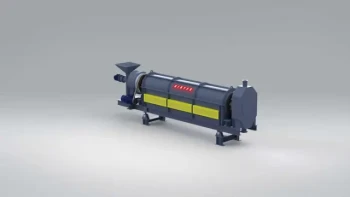
Precise atmospheric control is the difference between a high-performance electrolyte and a failed batch. KINTEK specializes in advanced laboratory solutions designed for the rigorous demands of battery material synthesis. Whether you are developing Li10GeP2S12 (LGPS) or other sensitive sulfide electrolytes, our comprehensive range of vacuum tube furnaces, atmosphere furnaces, and rotary furnaces provides the inert environment and thermal stability you need.
From high-purity PTFE products and ceramics to specialized crushing, milling, and hydraulic pellet presses, KINTEK delivers the end-to-end equipment necessary to transition from raw powder to functional components.
Ready to optimize your synthesis process? Contact our technical experts today to find the perfect furnace configuration for your laboratory.
Related Products
- 1700℃ Controlled Atmosphere Furnace Nitrogen Inert Atmosphere Furnace
- 1200℃ Controlled Atmosphere Furnace Nitrogen Inert Atmosphere Furnace
- 1400℃ Controlled Atmosphere Furnace with Nitrogen and Inert Atmosphere
- Controlled Nitrogen Inert Hydrogen Atmosphere Furnace
- Mesh belt controlled atmosphere furnace
People Also Ask
- What is the necessity of a controlled atmosphere furnace for corrosion research? Replicating Realistic Industrial Risks
- What is a controlled atmosphere furnace for heat treatment? Master Surface Chemistry and Metallurgy
- What are the two primary purposes of using a controlled atmosphere? Master Protection vs. Material Modification
- What is the necessity of controlled atmosphere furnaces for gas corrosion? Ensure Precise Material Failure Modeling
- How is oxygen (O2) used in controlled furnace atmospheres? Mastering Surface Engineering for Metals