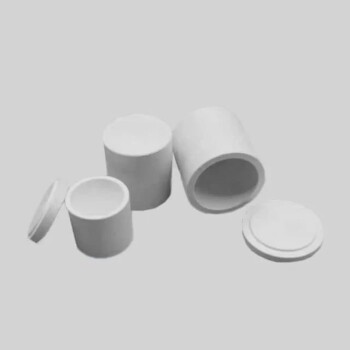
The sintering of LLZO necessitates alumina crucible lids and the mother powder burying method primarily to prevent the catastrophic loss of lithium at high temperatures. These measures create a localized, lithium-rich atmosphere that suppresses volatilization, ensuring the electrolyte maintains its chemical stoichiometry and high-conductivity cubic phase.
Core Takeaway: By creating a local lithium vapor pressure equilibrium, these techniques inhibit the formation of high-impedance impurity phases and protect the LLZO from chemical contamination, ensuring the material's electrochemical performance remains consistent from the surface to the interior.
Maintaining Stoichiometry Through Vapor Pressure Control
Establishing Local Chemical Equilibrium
At sintering temperatures typically ranging from 1100°C to 1200°C, lithium becomes highly volatile and tends to escape the LLZO crystal lattice. The mother powder, which has the same composition as the sample, serves as a sacrificial source of lithium that saturates the immediate environment.
The Role of Alumina Lids as a Seal
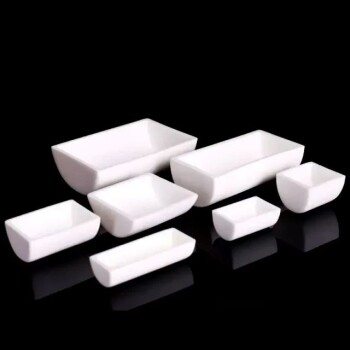
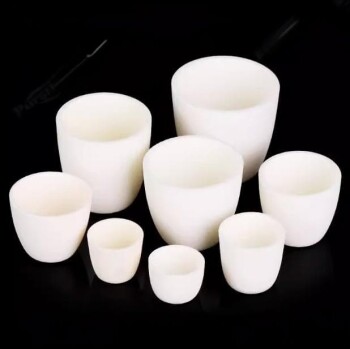
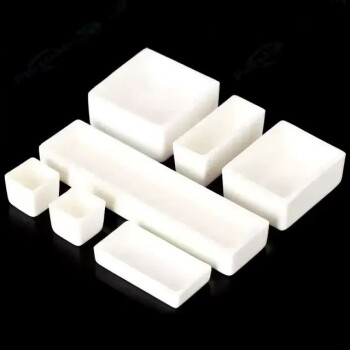
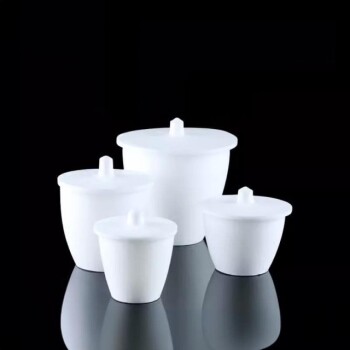
Placing the sample between high-purity alumina lids creates a physical barrier that traps the lithium vapor generated by the mother powder. This containment is essential to maintain a "lithium-rich atmosphere" within the crucible, which prevents the lithium in the actual sample from volatilizing.
Preventing Lithium-Deficient Gradients
Without these measures, lithium loss occurs most rapidly at the surface of the electrolyte. This creates a composition gradient where the surface becomes lithium-poor compared to the interior, leading to inconsistent performance across the ceramic membrane.
Preventing Unfavorable Phase Transformations
Avoiding the Formation of the LZO Phase
When lithium levels drop below the required stoichiometry, LLZO can decompose into the La2Zr2O7 (LZO) phase. LZO is an insulating impurity that significantly increases the interface impedance and reduces the overall ionic conductivity of the electrolyte.
Stabilizing the Cubic Garnet Structure
The high-conductivity cubic phase of LLZO is sensitive to chemical composition. Utilizing the mother powder burying method ensures the accurate stoichiometry required to stabilize this cubic structure and prevent transition into less conductive phases.
Protecting Surface Integrity
The burial method prevents the formation of high-impedance layers on the electrolyte surface. This is critical for ensuring a clean, conductive interface when the LLZO is eventually paired with lithium metal or cathode materials in a battery.
Chemical Isolation and Contamination Mitigation
Preventing Direct Crucible Interaction
LLZO is chemically aggressive at high temperatures and can react with standard alumina crucibles to form LaAlO3 or other impurity phases. The mother powder acts as a protective buffer, preventing the pellet from sticking to or reacting with the alumina container.
Minimizing Furnace Atmosphere Interference
The combination of a sealed crucible and a powder bed protects the sample from cross-contamination from the furnace heating elements. It also limits the sample's exposure to any residual moisture or CO2 in the furnace atmosphere, which could lead to the formation of lithium carbonate.
Understanding the Trade-offs
The Risk of Unintended Aluminum Doping
While alumina is used for its high-temperature stability, gaseous transport of aluminum can still occur at high temperatures. While small amounts of aluminum doping can actually help stabilize the cubic phase, excessive or uncontrolled migration can lead to unpredictable changes in material properties.
Material Waste and Processing Complexity
The mother powder burying method requires a significant volume of sacrificial LLZO powder for every sintering run. This increases the total material cost and adds labor-intensive steps to the fabrication process, such as carefully cleaning the pellets post-sintering to remove adherent powder.
Making the Right Choice for Your Goal
How to Apply This to Your Project
- If your primary focus is Maximum Ionic Conductivity: Prioritize the mother powder burial method to ensure the entire sample remains in the high-conductivity cubic phase without surface decomposition.
- If your primary focus is Phase Purity and Precision Research: Consider using platinum crucibles in conjunction with mother powder to eliminate any possibility of aluminum contamination from the container.
- If your primary focus is Scalability and Cost Reduction: Experiment with optimized crucible loading and "sacrificial pellets" to reduce the total volume of mother powder required while still maintaining the necessary lithium vapor pressure.
By meticulously controlling the local chemical environment, you ensure that the sintered LLZO retains the precise stoichiometry required for high-performance solid-state batteries.
Summary Table:
| Technique / Component | Primary Function | Key Benefit |
|---|---|---|
| Mother Powder | Acts as a sacrificial lithium source | Maintains stoichiometry and prevents Li-deficient gradients |
| Alumina Crucible Lid | Creates a physical seal/barrier | Traps lithium vapor to maintain a lithium-rich atmosphere |
| Atmosphere Control | Suppresses volatilization | Stabilizes high-conductivity cubic garnet structure |
| Chemical Isolation | Prevents direct pellet-crucible contact | Reduces impurity phases like LaAlO3 and surface contamination |
Optimize Your LLZO Sintering with KINTEK Precision
Achieving the perfect cubic garnet phase requires more than just the right method—it requires the right equipment. KINTEK specializes in providing high-performance laboratory solutions tailored for advanced battery research. From high-purity alumina and ceramic crucibles to precision muffle and atmosphere furnaces capable of maintaining strict thermal profiles, we ensure your LLZO sintering is consistent and contamination-free.
Whether you are scaling production or conducting foundational research, our portfolio of high-temperature reactors, crushing systems, and specialized consumables is designed to meet the rigorous demands of solid-state electrolyte fabrication.
Ready to enhance your material's ionic conductivity and phase purity? Contact our technical team today to find the ideal furnace and crucible setup for your lab.
References
- Huanyu Zhang, Kostiantyn V. Kravchyk. On High-Temperature Thermal Cleaning of Li<sub>7</sub>La<sub>3</sub>Zr<sub>2</sub>O<sub>12</sub> Solid-State Electrolytes. DOI: 10.1021/acsaem.3c00459
This article is also based on technical information from Kintek Solution Knowledge Base .
Related Products
- Alumina Al2O3 Ceramic Crucible Semicircle Boat with Lid for Engineering Advanced Fine Ceramics
- Engineering Advanced Fine Ceramics Alumina Al2O3 Crucible With Lid Cylindrical Laboratory Crucible
- Arc-Shaped Alumina Ceramic Crucible High Temperature Resistant for Engineering Advanced Fine Ceramics
- Engineering Advanced Fine Ceramics Alumina Crucibles (Al2O3) for Thermal Analysis TGA DTA
- Engineering Advanced Fine Alumina Al2O3 Ceramic Crucible for Laboratory Muffle Furnace
People Also Ask
- Why are alumina crucibles and mother powder essential for LATP sintering? Optimize Your Solid Electrolyte Performance
- Why are high-purity alumina crucibles used for liquid lead corrosion experiments? Ensure Data Accuracy at 550°C
- Why Use Alumina Crucibles & Powder Burial for NaSICON? Ensure Phase Purity and Prevent Elemental Volatilization
- What is the primary purpose of using alumina crucibles for LLTO ceramics? Optimize Your High-Temperature Sintering
- What are the benefits of using an alumina crucible with a lid for TiB2 nanopowder heat treatment? Ensure High Purity