Electrochemical Consumables
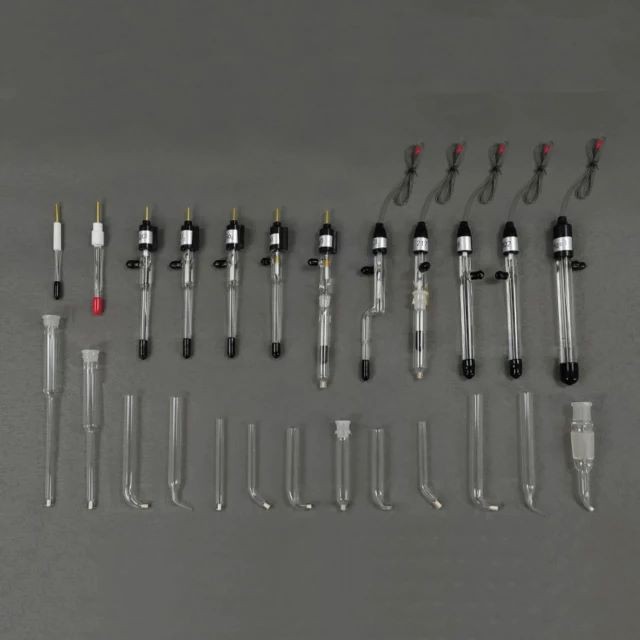
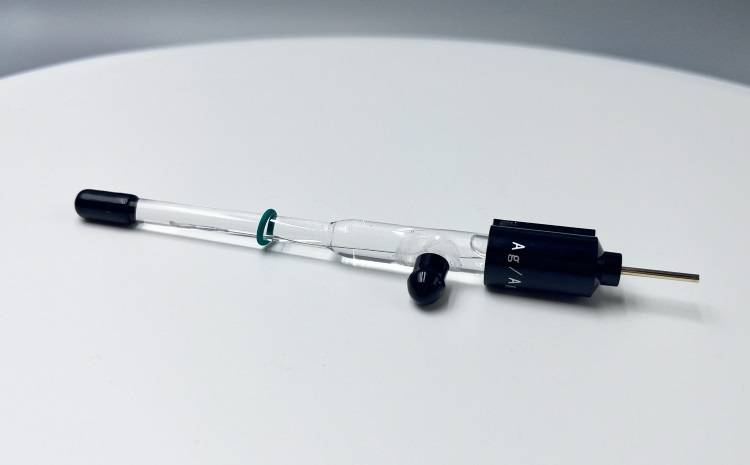
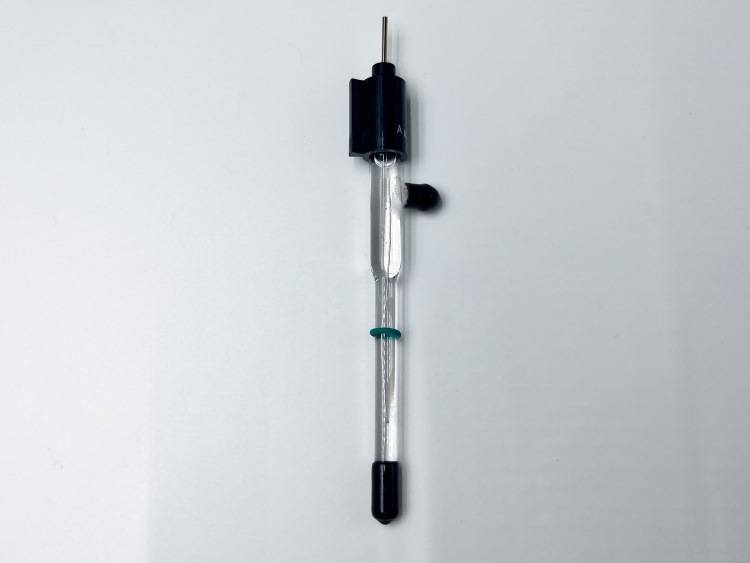
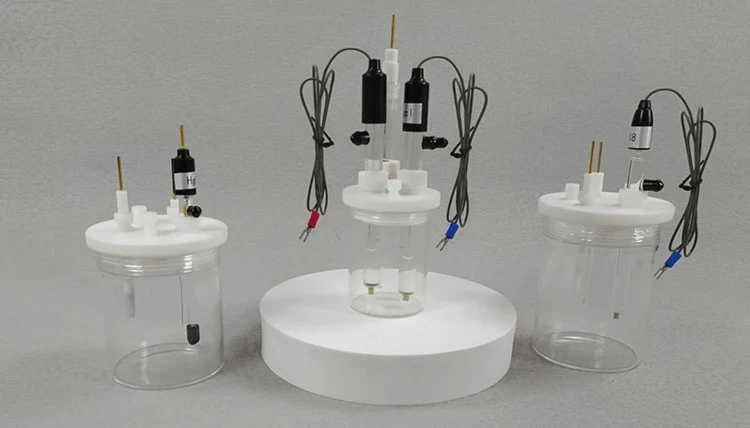
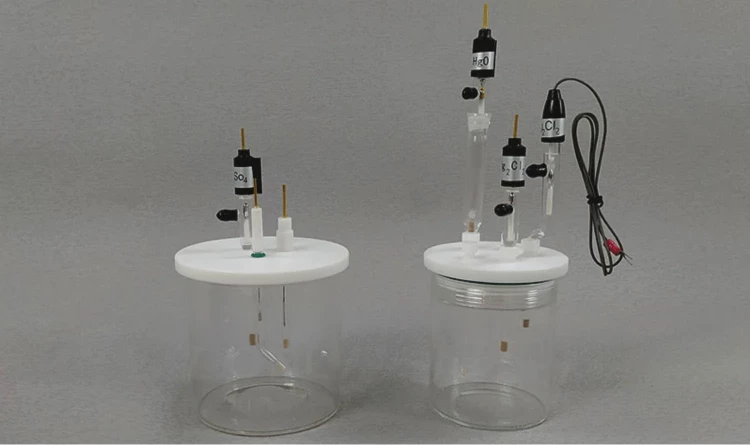
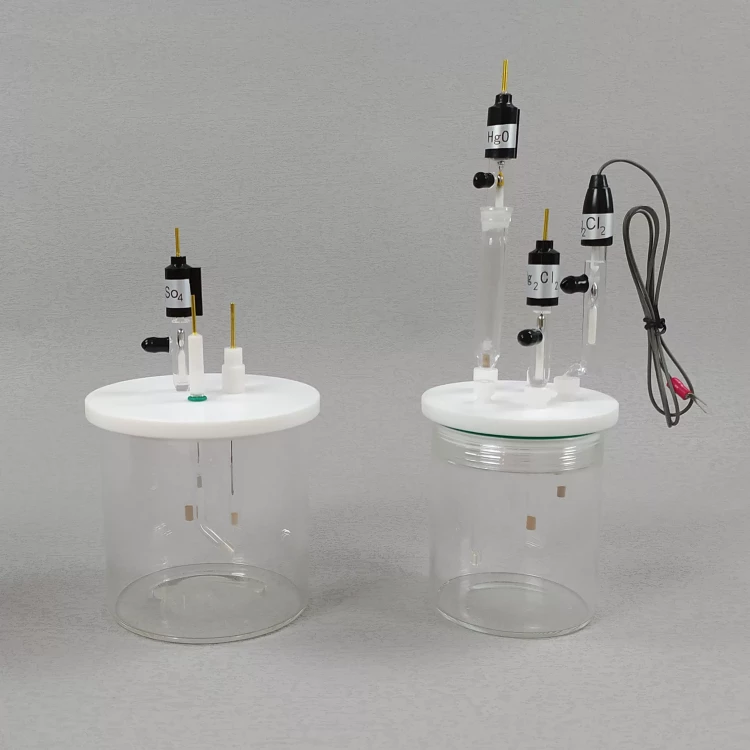
Reference Electrode Calomel Silver Chloride Mercury Sulfate for Laboratory Use
Item Number : ELERA
Price varies based on specs and customizations
$19.90 / set
- Applicable temperature range
- 0 ~ 60℃
- Types
- Complete and diverse models, customizable

Shipping:
Contact us to get shipping details Enjoy On-time Dispatch Guarantee.
Why Choose Us
Easy ordering process, quality products, and dedicated support for your business success.
Introduction
Calomel, Silver Chloride, and Mercury Sulfate are three important compounds used in laboratory equipment and consumables. Calomel, also known as mercurous chloride, is a white or yellowish powder that is insoluble in water. It is used as a reference electrode in electrochemistry and as a cathartic and diuretic in medicine. Silver Chloride is a white or grayish-white powder that is insoluble in water. It is used as a disinfectant, an antiseptic, and a photographic reagent. Mercury Sulfate is a white or yellowish-white powder that is soluble in water. It is used as a disinfectant, an antiseptic, and a fungicide.
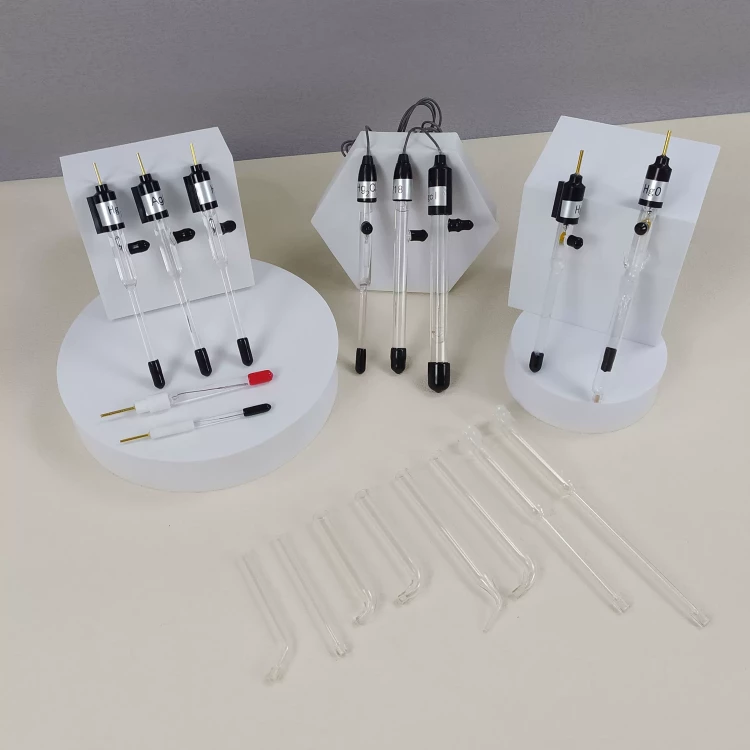
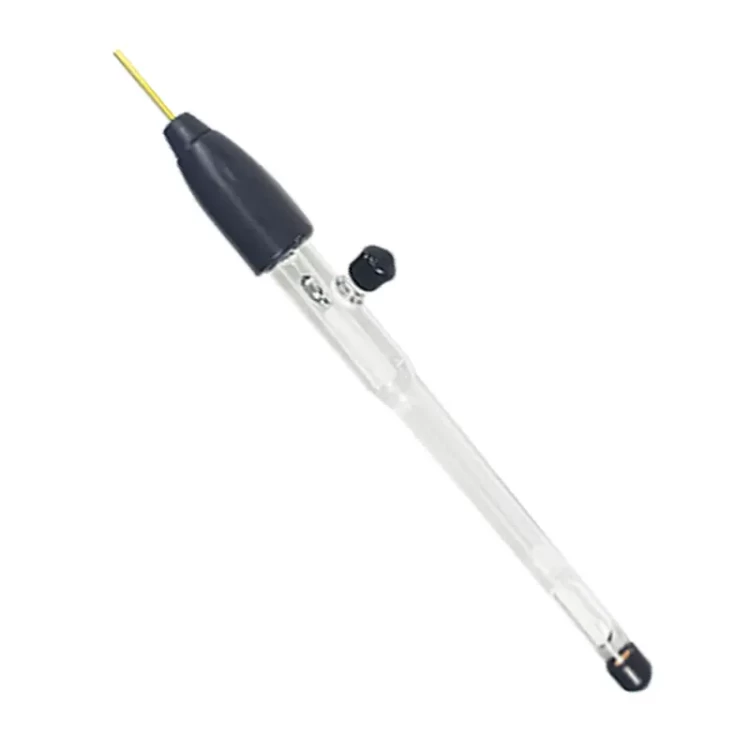
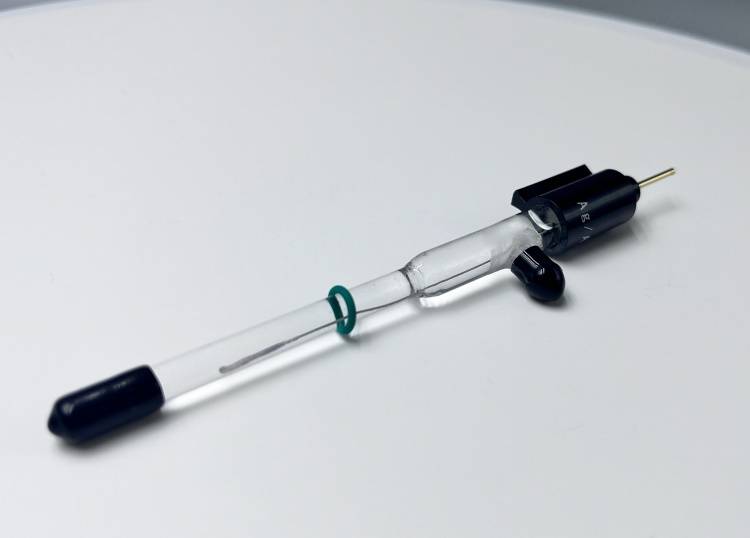
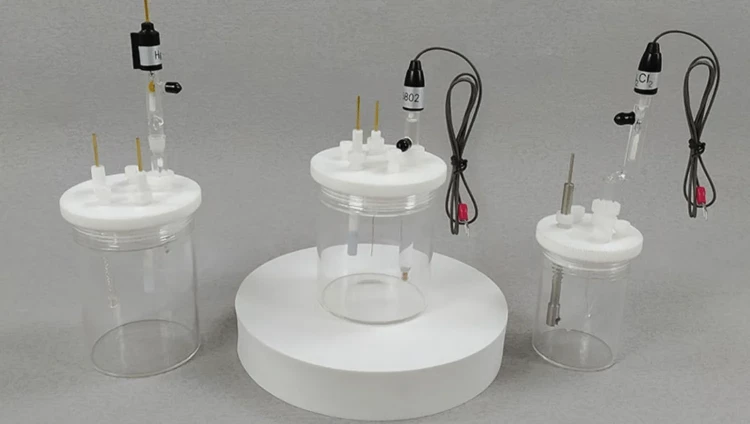
We offer complete models of reference electrodes for electrochemical experiments that are resistant to acid and alkali, made with high-quality materials, and designed to be both safe and durable. Additionally, we provide customization options to meet your specific needs.
Technical specifications
Saturated calomel electrode


| Features | Good reproducibility, accurate potential application |
| Applicable temperature range | 0 ~ 25℃ |
| Dimensions | The overall length is 140mm, with the upper tube measuring 9.5mm by 35mm and the lower tube measuring 6mm by 65mm. |
| Types | Amalgam-mercury type. It offers a neutral charge and is available in three variations: single salt bridge, double salt bridge, and bent tube. |
Silver chloride electrode 1

| Features | suitable for small volumes |
| Applicable temperature range | 0 ~ 40℃ |
| Dimensions | 90mm overall length, 4*45mm in the down tube |
| The electrode properties are Ag/AgCI | |
Silver chloride electrode 2

| Features | suitable for any situation |
| Applicable temperature range | 0 ~ 60℃ |
| Dimensions | 105mm overall length, 6*45mm in the down tube |
| The nature of the electrode is Ag/AgCI, and the curved tube can be customized for silver chloride | |
Saturated silver chloride electrode

| Features | Potential stability |
| Applicable temperature range | 0 ~ 60℃ |
| Dimensions | The overall size of the unit is 140mm, with the upper tube measuring φ9.5*35mm and the lower tube measuring φ6*65mm. |
| Types | Ag/AgCI type, neutral electrode; there are two kinds of single salt bridge and double salt bridge |
Mercurous sulfate electrode

| Features | use acidic electrolyte |
| Applicable temperature range | 0 ~ 60℃ |
| Dimensions | The overall size of the unit is 140mm, with the upper tube measuring φ9.5*35mm and the lower tube measuring φ6*65mm. |
| Types | Mercury type, acid electrode; there are two kinds of single salt bridge and double salt bridge |
Mercury Oxide Electrode


| Features | Suitable for alkaline electrolytes |
| Applicable temperature range | 0 ~ 60℃ |
| Dimensions | The overall size of the unit is 140mm, with the upper tube measuring φ9.5*35mm and the lower tube measuring φ6*65mm. |
| Types | Mercury type, alkaline electrode; there are two kinds of single salt bridge and double salt bridge |
Silver Chloride Type 218

| Features | Suitable for long-term reactions |
| Applicable temperature range | 0 ~ 60℃ |
| Dimensions | The overall size of the unit is 145mm, the lower tube measuring φ9.2*120mm. Wiring is U-shaped blade |
| Types | The nature of the electrode is Ag/AgCI type, which can react unattended for a long time |
Silver Chloride Type 219

| Features | Suitable for long-term reactions |
| Applicable temperature range | 0 ~ 60℃ |
| Dimensions | The overall size of the unit is 145mm, the lower tube measuring φ9.2*120mm. Wiring is U-shaped blade |
| Types | The nature of the electrode is Ag/AgCI type, and the second liquid junction of the double junction type can be added on demand |
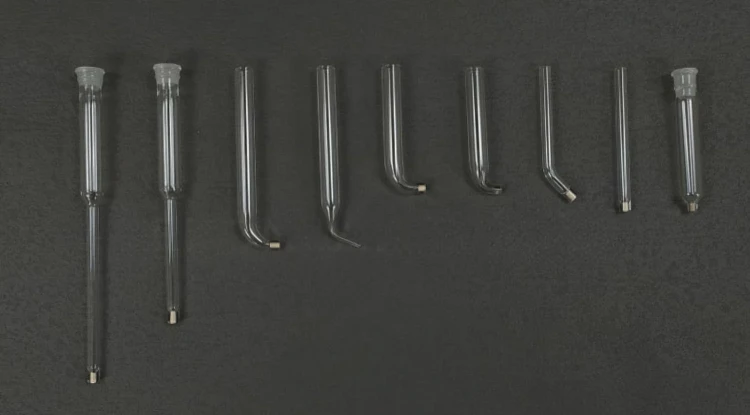
Sand core salt bridge

| Features | Protective electrode, easy to use |
| Applicable temperature range | 0 ~ 80℃ |
| Dimensions | Standard φ10*70mm, extended φ10*100mm |
| Types | The built-in sand core liquid junction is used to protect the electrode and reduce the liquid junction potential |
Lukin Capillary

| Features | Protective electrode, easy to use |
| Applicable temperature range | 0 ~ 80℃ |
| Dimensions | Standard φ10*70mm, extended φ10*100mm |
| Used to protect the electrode and reduce the liquid junction potential | |
Variable diameter sand core salt bridge

| Features | Protective electrode, easy to use |
| Applicable temperature range | 0 ~ 80℃ |
| Dimensions | φ12*70mm / φ6*70mm / φ6*100 |
| Used to protect the electrode and reduce the liquid junction potential | |
Straight Sand Core Salt Bridge

| Features | Protective electrode, easy to use |
| Applicable temperature range | 0 ~ 50℃ |
| Dimensions | φ6*80mm / φ10*80mm |
| The guard electrode reduces the liquid junction potential | |
Detail & Parts
Principle
The Calomel / Silver Chloride / Mercury Sulfate principle is based on the electrochemical reaction between calomel (Hg2Cl2) and silver chloride (AgCl) in the presence of mercury sulfate (HgSO4). When the calomel electrode is immersed in a solution containing chloride ions, the following reaction occurs:
Hg2Cl2(s) + 2e- → 2Hg(l) + 2Cl-(aq)
This reaction generates an electrical potential that is proportional to the concentration of chloride ions in the solution. The silver chloride electrode serves as a reference electrode with a stable and well-defined potential, providing a stable reference point for measuring the potential of the calomel electrode.
Applications
Calomel / Silver Chloride / Mercury Sulfate electrodes are widely used in electrochemistry, particularly in applications such as:
- Reference electrodes in electrochemical cells and potentiometric measurements
- Determination of redox potentials and electrochemical reactions
- Corrosion studies and electrochemical impedance spectroscopy
- Electroplating and electrorefining processes
- Monitoring and control of chemical processes in various industries
Designed for You
KinTek provide deep custom made service and equipment to worldwide customers, our specialized teamwork and rich experienced engineers are capable to undertake the custom tailoring hardware and software equipment requirements, and help our customer to build up the exclusive and personalized equipment and solution!
Would you please drop your ideas to us, our engineers are ready for you now!
Trusted by Industry Leaders

FAQ
What Are The Advantages Of Using A Calomel Electrode?
What Are The Different Types Of Reference Electrodes Available?
When Should I Use A Calomel Electrode Instead Of An Ag/AgCl Electrode?
What Is An Electrode In Electrochemistry?
What Is Reference Electrode With An Example?
What Is The Function Of Auxiliary Electrode?
What Are The 3 Electrodes In Electrochemistry?
What Is The Role Of Reference Electrode?
What Is The Difference Between Auxiliary And Reference Electrode?
What Are The Different Types Of Electrochemical Electrodes?
What Is Reference Electrode Used For?
What Materials Are Commonly Used For Auxiliary Electrodes?
What Materials Are Commonly Used For Electrochemical Electrodes?
What Is A Reference Electrode Vs Counter Electrode?
What Is The Difference Between Standard And Reference Electrode?
How Do Auxiliary Electrodes Affect The Performance Of An Electrochemical Cell?
What Factors Should Be Considered When Selecting An Electrochemical Electrode?
Why Are Auxiliary Electrodes Necessary In Electrochemical Systems?
How Can Electrochemical Electrodes Be Used In Various Applications?
Are There Any Limitations Or Considerations When Using Auxiliary Electrodes?
REQUEST A QUOTE
Our professional team will reply to you within one business day. Please feel free to contact us!
Related Products
Copper Sulfate Reference Electrode for Laboratory Use
Looking for a Copper Sulfate Reference Electrode? Our complete models are made of high-quality materials, ensuring durability and safety. Customization options available.
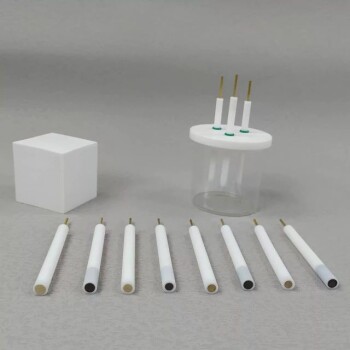
Metal Disc Electrode Electrochemical Electrode
Elevate your experiments with our Metal Disk Electrode. High-quality, acid and alkali resistant, and customizable to fit your specific needs. Discover our complete models today.
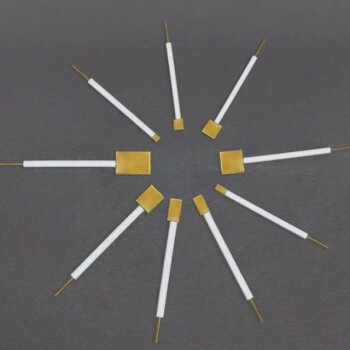
Gold Electrochemical Sheet Electrode Gold Electrode
Discover high-quality gold sheet electrodes for safe and durable electrochemical experiments. Choose from complete models or customize to meet your specific needs.
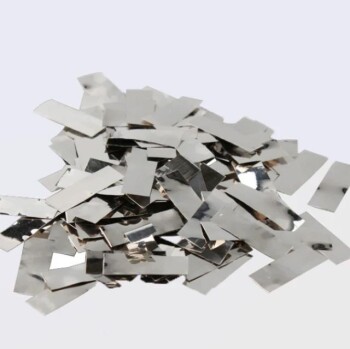
Platinum Sheet Electrode for Battery Lab Applications
Platinum sheet is composed of platinum, which is also one of the refractory metals. It is soft and can be forged, rolled and drawn into rod, wire, plate, tube and wire.
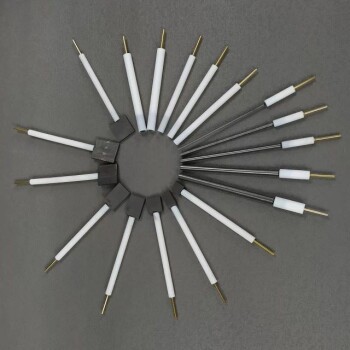
Graphite Disc Rod and Sheet Electrode Electrochemical Graphite Electrode
High-quality graphite electrodes for electrochemical experiments. Complete models with acid and alkali resistance, safety, durability, and customization options.
RRDE rotating disk (ring disk) electrode / compatible with PINE, Japanese ALS, Swiss Metrohm glassy carbon platinum
Elevate your electrochemical research with our Rotating Disk and Ring Electrodes. Corrosion resistant and customizable to your specific needs, with complete specifications.
Rotating Platinum Disk Electrode for Electrochemical Applications
Upgrade your electrochemical experiments with our Platinum Disc Electrode. High-quality and reliable for accurate results.
Platinum Sheet Electrode for Laboratory and Industrial Applications
Elevate your experiments with our Platinum Sheet Electrode. Crafted with quality materials, our safe and durable models can be tailored to fit your needs.
Glassy Carbon Electrochemical Electrode
Upgrade your experiments with our Glassy Carbon Electrode. Safe, durable, and customizable to fit your specific needs. Discover our complete models today.
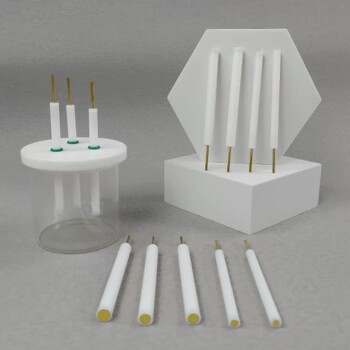
Gold Disc Electrode
Looking for a high-quality gold disc electrode for your electrochemical experiments? Look no further than our top-of-the-line product.
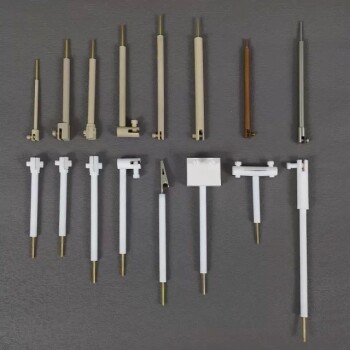
Electrode Fixture for Electrochemical Experiments
Upgrade your experiments with our customizable Electrode Fixtures. High-quality materials, acid and alkali resistant, and safe and durable. Discover our complete models today.
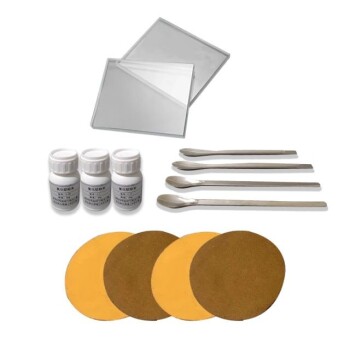
Electrode Polishing Material for Electrochemical Experiments
Looking for a way to polish your electrodes for electrochemical experiments? Our polishing materials are here to help! Follow our easy instructions for best results.
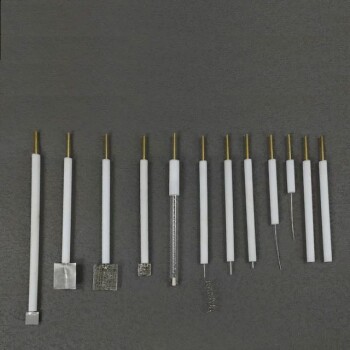
Platinum Auxiliary Electrode for Laboratory Use
Optimize your electrochemical experiments with our Platinum Auxiliary Electrode. Our high-quality, customizable models are safe and durable. Upgrade today!

Laboratory CVD Boron Doped Diamond Materials
CVD boron-doped diamond: A versatile material enabling tailored electrical conductivity, optical transparency, and exceptional thermal properties for applications in electronics, optics, sensing, and quantum technologies.

H Type Electrolytic Cell Triple Electrochemical Cell
Experience versatile electrochemical performance with our H-type Electrolytic Cell. Choose from membrane or non-membrane sealing, 2-3 hybrid configurations. Learn more now.

Electrolytic Electrochemical Cell Gas Diffusion Liquid Flow Reaction Cell
Looking for a high-quality gas diffusion electrolysis cell? Our liquid flow reaction cell boasts exceptional corrosion resistance and complete specifications, with customizable options available to suit your needs. Contact us today!

High Purity Gold Platinum Copper Iron Metal Sheets
Elevate your experiments with our high-purity sheet metal. Gold, platinum, copper, iron, and more. Perfect for electrochemistry and other fields.

Conductive Carbon Cloth Carbon Paper Carbon Felt for Electrodes and Batteries
Conductive carbon cloth, paper, and felt for electrochemical experiments. High-quality materials for reliable and accurate results. Order now for customization options.

Electrolytic Electrochemical Cell with Five-Port
Streamline your laboratory consumables with Kintek's Electrolytic Cell with five-port design. Choose from sealed and non-sealed options with customizable electrodes. Order now.

Side Window Optical Electrolytic Electrochemical Cell
Experience reliable and efficient electrochemical experiments with a side window optical electrolytic cell. Boasting corrosion resistance and complete specifications, this cell is customizable and built to last.
Related Articles

Electrochemistry Basics: Conditions and Precautions for Using Different Reference Electrodes
A guide on the requirements and conditions for using various reference electrodes in electrochemistry.
Reference Electrodes: Calomel, Silver Chloride, and Mercury Sulfate - A Comprehensive Guide
Explore the world of reference electrodes, including calomel, silver chloride, and mercury sulfate. Understand their construction, principles, and applications in electrochemical measurements.
Common Reference Electrodes in Electrochemical Studies
An overview of the key requirements and types of reference electrodes used in electrochemical systems, particularly in lithium-ion batteries.
A Beginner's Guide to Understanding Reference Electrodes in Electrochemistry
Reference electrodes provide a stable and known potential that other electrodes can be compared to, allowing for accurate measurements of electrochemical reactions.
Pseudo-Reference Electrodes When and How to Use Them
Reference electrodes are an essential component in electrochemical measurements. They are used to establish a stable and reproducible potential for the working electrode and provide a reference point for the measurement. The reference electrode should have a stable and well-defined potential, which is independent of the solution's composition and the working electrode's potential.
A Comprehensive Guide to Reference Electrodes
Reference electrodes are used in electrochemical measurements to establish a stable potential against which the potential of the working electrode can be measured.
Design and Application of Reference Electrodes in Lithium Batteries
An in-depth analysis of the design, features, and applications of reference electrodes in lithium batteries.
How to Choose the Right Reference Electrode for Your Application
When it comes to measuring the electrical potential of a solution accurately, a reference electrode is an essential tool in the laboratory. It provides a stable and consistent reference point for other electrodes to measure against, ensuring accurate and reliable results.
A Guide to Choosing the Right Reference Electrode for Your ISE Analysis
Reference electrodes are an essential component of any electrochemical measurement.
Comprehensive Guide to Reference Electrodes: Types, Applications, and Selection Criteria
Explore the world of reference electrodes with our detailed guide. Learn about different types, their applications, and how to select the right one for your needs. Ideal for researchers and lab technicians.
Use and Care of Reference Electrodes
Detailed guide on the use, calibration, and maintenance of reference electrodes in electrochemical studies.
Identifying and Addressing Issues with a Bad Reference Electrode in Measurement Systems
This article discusses the signs and solutions for a bad reference electrode in measurement systems, focusing on IR voltage drop, high-frequency artifacts, and methods to identify and save a bad reference electrode.