Toggle Categories
Get Instant Support
Choose your preferred way to connect with our team
Response Time
Within 8 hours on working days, 24 hours on holidays
Sample Preparation
KinTek sample preparation equipment includes sample crushing,milling, as while as while sieving equipment, hydraulic press equipment includes manual press, electric press, isostatic press, hot press and press filtering machine.

Isostatic Press
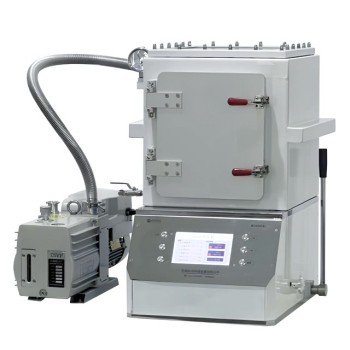
Vacuum Heated Lab Press

Automatic Heated Lab Press

Electric Lab Press

Customer-made Press

Manual Heated Lab Press

Manual Lab Press
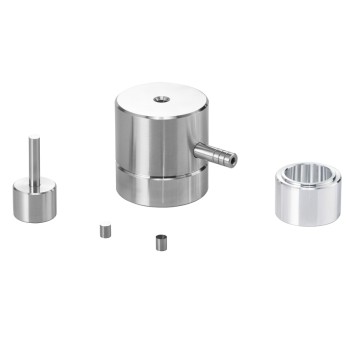
Molds & Accessories
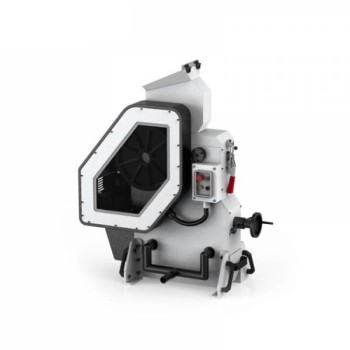
Crushing & Grinding Machine
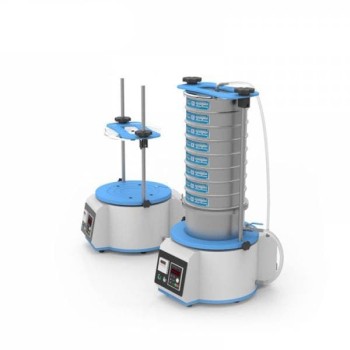
Sieving Machine
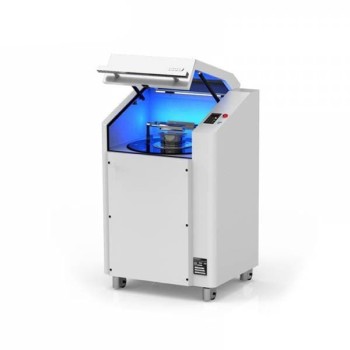
Milling Equipment
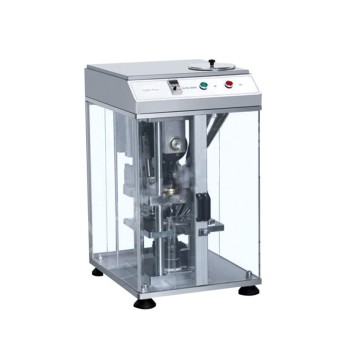
Tablet punching machine
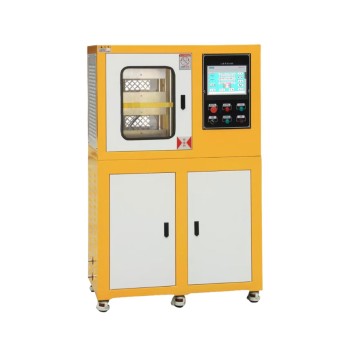
Rubber processing machine
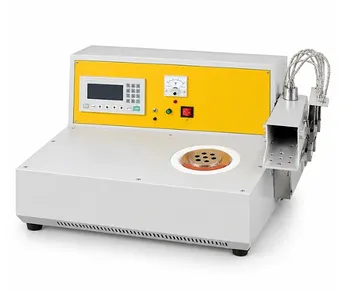
Coal Quality Analyzers
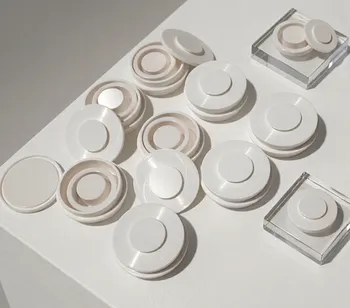
Assay Equipment Accessories & Consumables
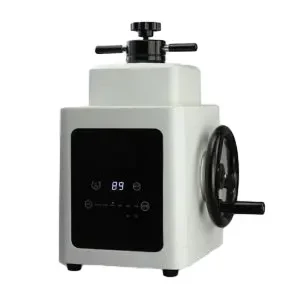
Mounting Machine
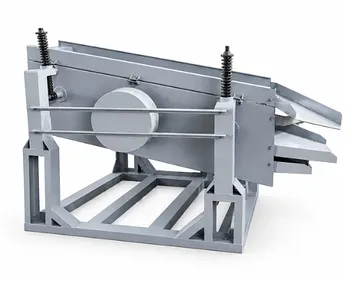
Coal, Coke & Ore Physical Testing
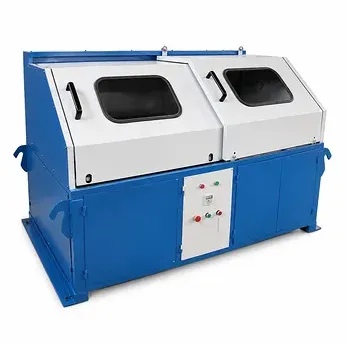
Rod Mill
Thermal Equipment
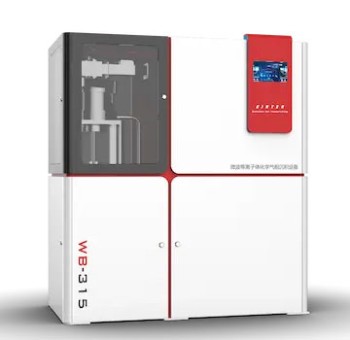
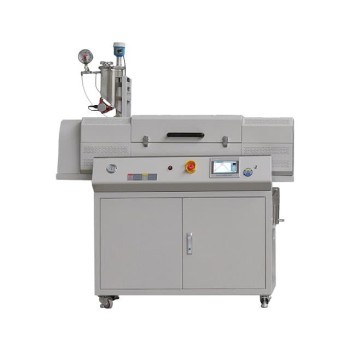
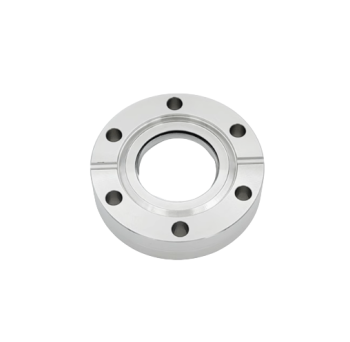
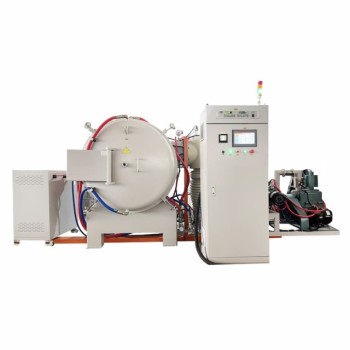
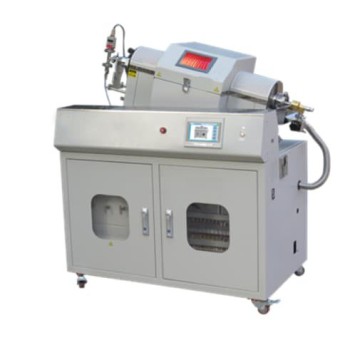
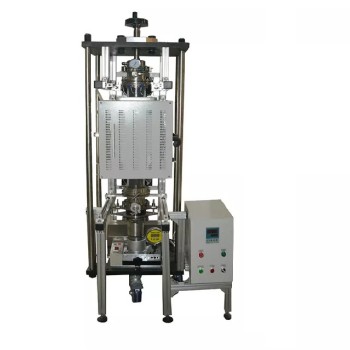
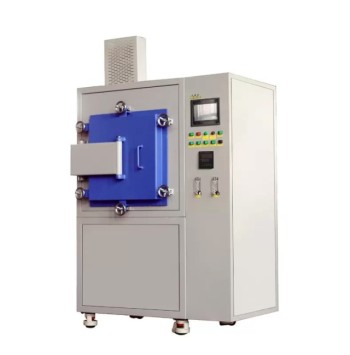
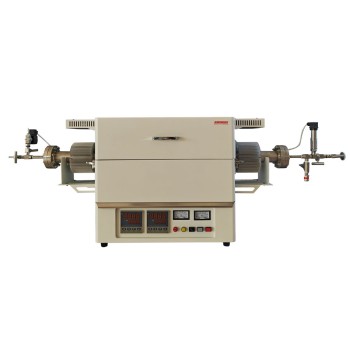
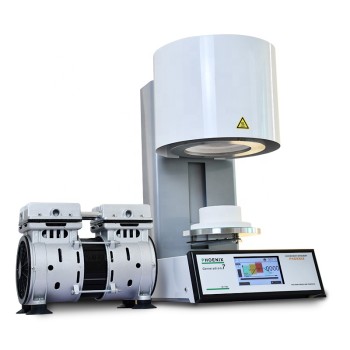
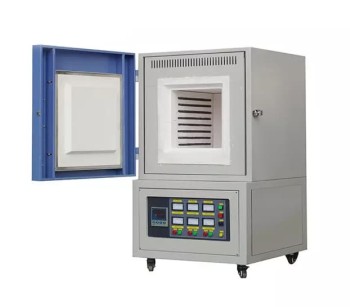
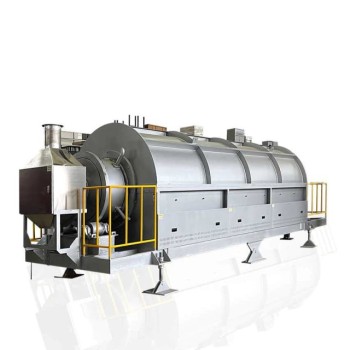
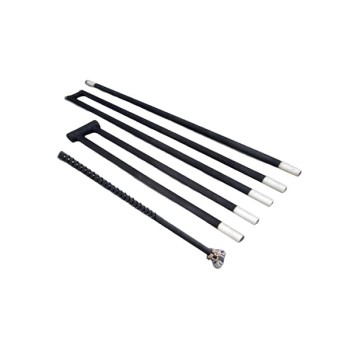
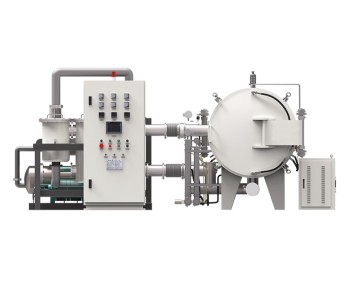
KinTek supplies a broad range of high-temperature furnaces, including lab, pilot production, and industrial production furnaces, with a temperature range of up to 3000 ℃. One of KinTek's advantages is the ability to create custom-made furnaces tailored to specific functions, such as different heating methods and speeds, extra high and dynamic vacuums, controlled atmospheres and gas circuits, automated mechanical structures, and software and hardware development.
Lab Consumables & Materials
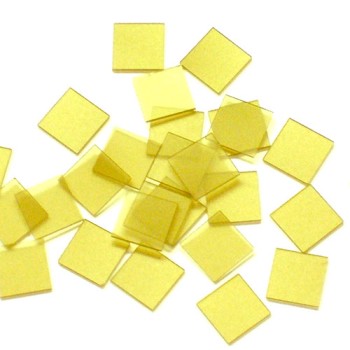
KinTek offers a range of lab consumables and materials, including evaporation materials, targets, metals, electrochemistry parts, as well as powders, pellets, wires, strips, foils, plates, and more.


Bio-Chem Equipment
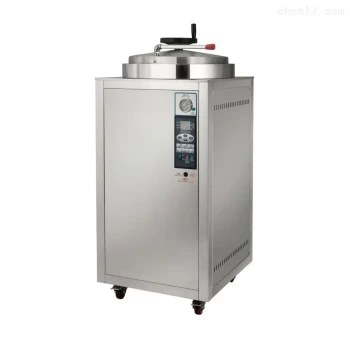
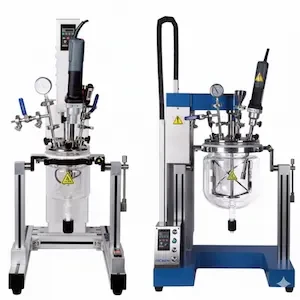
KinTek bio-chem equipment comprises rotary evaporators, glass and stainless steel reactors, distillation systems, circulating heaters and chillers, as well as vacuum equipment.



Products

1800℃ Muffle Oven Furnace for Laboratory
Item Number: KT-18M
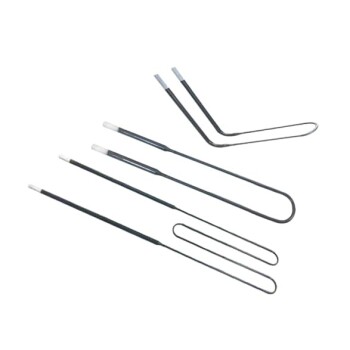
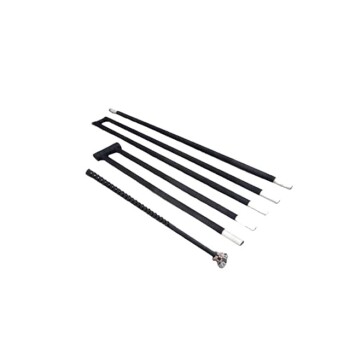
Silicon Carbide SiC Thermal Heating Elements for Electric Furnace
Item Number: KT-SH
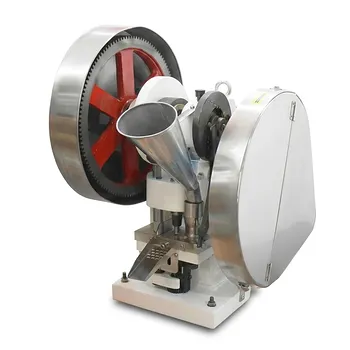
Single Punch Electric Tablet Press Machine TDP Tablet Punching Machine
Item Number: TPM-04
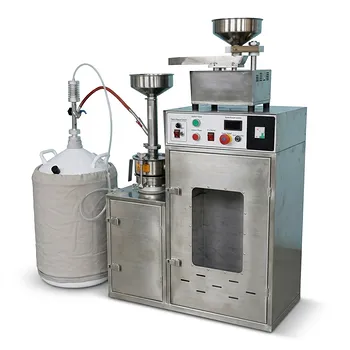
Liquid Nitrogen Cryogenic Grinder Mill Cryomill with Screw Feeder
Item Number: KT-CG02
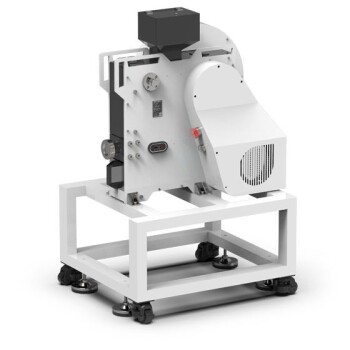
Laboratory Jaw Crusher
Item Number: KT-EP
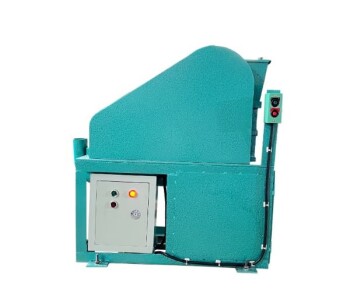
Sealed Jaw Crusher High Efficiency Environmental Protection Safe and Reliable
Item Number: KT-EPB

Customizable PEM Electrolysis Cells for Diverse Research Applications
Item Number: KT-PEMT
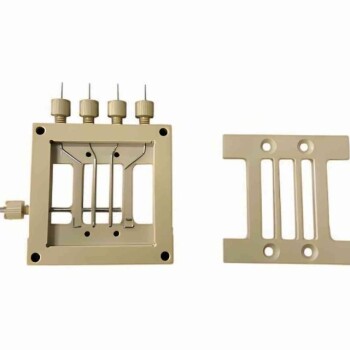
Custom Ion Conductivity Test Fixtures for Fuel Cell Research
Item Number: KT-CTF
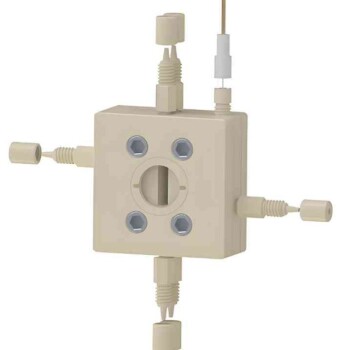
Customizable CO2 Reduction Flow Cell for NRR ORR and CO2RR Research
Item Number: KT-RFC
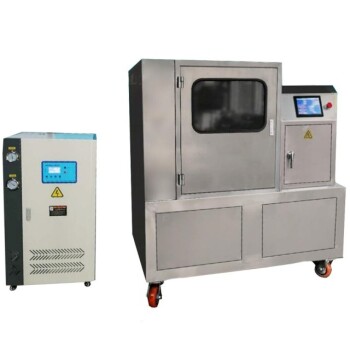
Low-Temperature Water-Cooled Touchscreen Vibratory Ultrafine Pulverizer
Item Number: KT-CG04
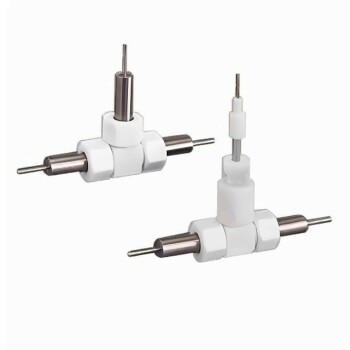

Visual High-Pressure Reactor for In-Situ Observation
Item Number: KT-VHPR

23L Laboratory Vacuum Drying Oven
Item Number: KT-VDO

56L Vertical Laboratory Vacuum Drying Oven
Item Number: KT-LVD
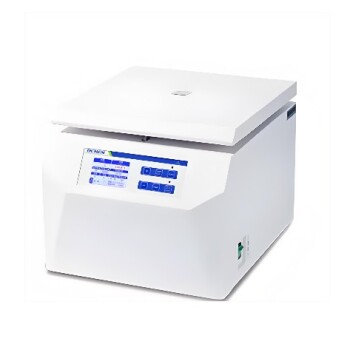
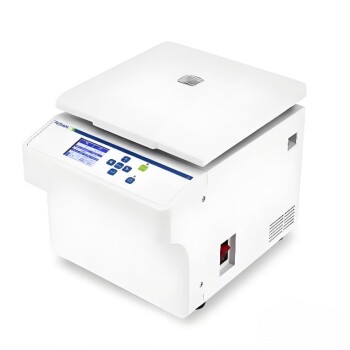
High-Speed Desktop Centrifuge for Blood Sample Processing
Item Number: KT-HPD
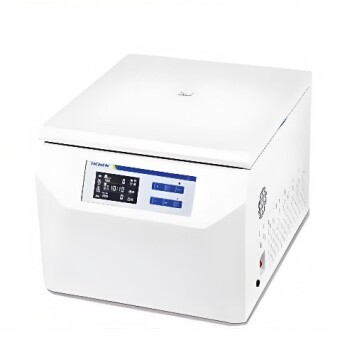
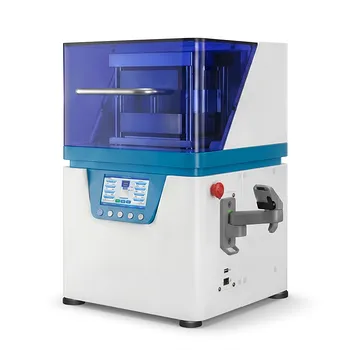

Automatic Vertical Calorimeter for Precision Gross Calorific Value Determination
Item Number: KT-TE2

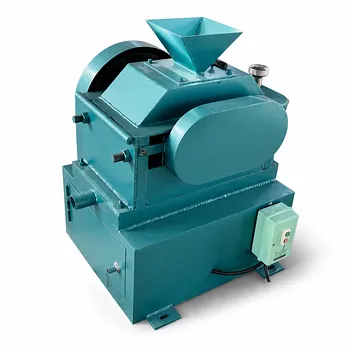
Hardgrove Grindability Index Tester Coal Grindability Determination Apparatus
Item Number: KT-TE17

Automatic Hardgrove Grindability Index Tester for Coal Grindability Analysis
Item Number: KT-TE18
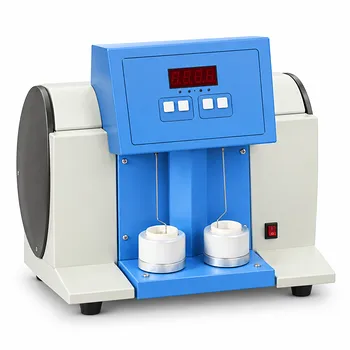
Fully Automatic Caking Index Tester for Coal Metallurgical Quality Analysis
Item Number: KT-TE25
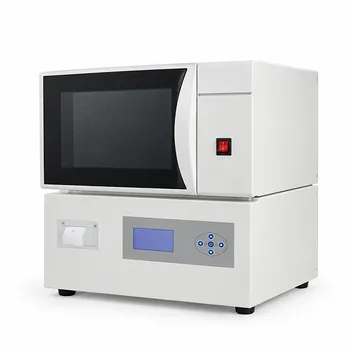
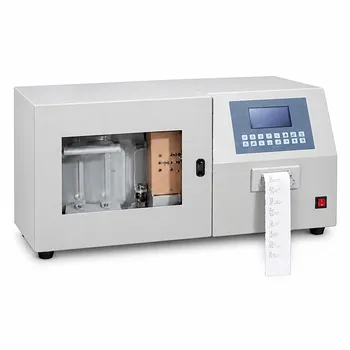
Integrated Touchscreen Sulfur Analyzer LCD Total Sulfur Determinator
Item Number: KT-DL1
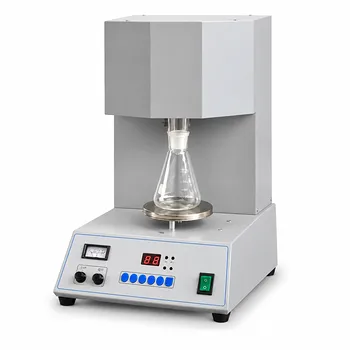
Cement Free Calcium Oxide Rapid Tester Clinker Quality Control Analyzer
Item Number: KT-TE49
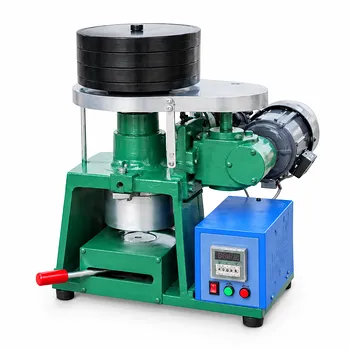
Hardgrove Grindability Index Tester Coal Grindability Determination Instrument
Item Number: KT-TE57
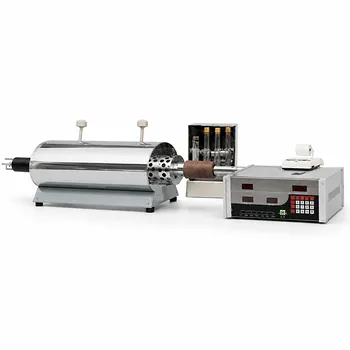
Rapid Automatic Hydrogen Analyzer Carbon and Hydrogen Determination System
Item Number: KT-TE58
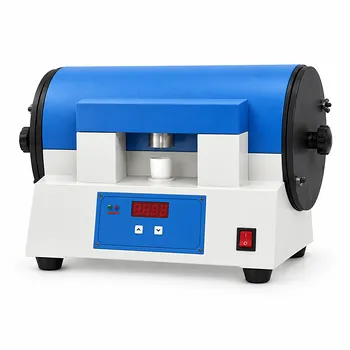
Bituminous Coal Caking Index Tester and Automatic Static Press System
Item Number: KT-TE61
REQUEST A QUOTE
Our professional team will reply to you within one business day. Please feel free to contact us!
Related Articles
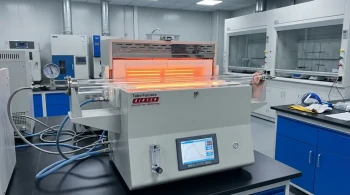
The Clockwork of Cooling: Why Inert Gas is the Unsung Hero of High-Temperature Furnaces
Discover how inert gas transforms furnace cooling from a passive wait into a precise, active process, mastering heat transfer to define material properties.
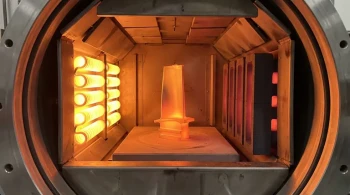
Beyond Temperature: The Critical Trade-offs in Vacuum Furnace Heating Elements
Choosing a vacuum furnace heating element involves balancing temperature, chemical purity, and cost. This guide explores the critical engineering trade-offs.
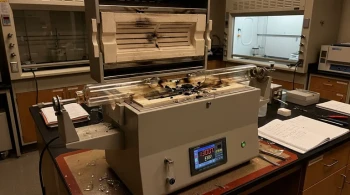
The Glass Ceiling: Why Your 1500°C Furnace Can't Exceed 1200°C
A furnace's power is often irrelevant; its true limit is the quartz tube's tolerance for heat and thermal shock. Understanding this saves experiments.
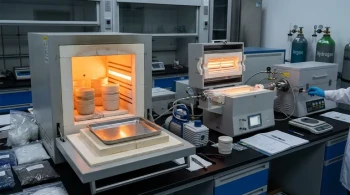
The Geometry of Control: Choosing Between a Muffle and a Tube Furnace
Choosing a lab furnace? The difference between a muffle and tube furnace boils down to a core trade-off: processing volume vs. atmospheric control.
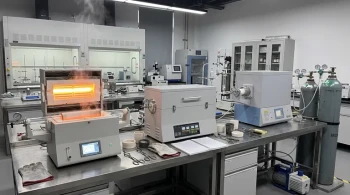
The Geometry of Heat: How to Choose Between a Muffle and Tube Furnace
Muffle furnaces offer volume for air-based heating, while tube furnaces provide the atmospheric control essential for advanced material synthesis.
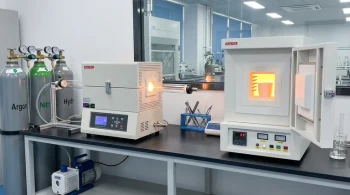
Beyond Temperature: The Critical Question of Atmosphere in Your Lab Furnace
Choosing between a tube and muffle furnace is less about heat and more about atmospheric control. This single factor dictates experimental success.
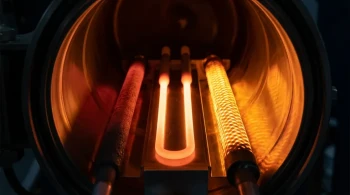
The Invisible Variable: Selecting the Heart of Your Vacuum Furnace
The heating element isn't just a component; it dictates your furnace's chemistry. Explore the engineering trade-offs between Graphite, Molybdenum, and Composites.
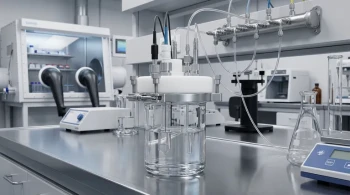
The Architecture of Isolation: Deconstructing the Super-Sealed Electrolytic Cell
Discover the engineering behind super-sealed electrolytic cells. We analyze the critical role of PTFE flanges and how total atmospheric isolation protects sensitive research.
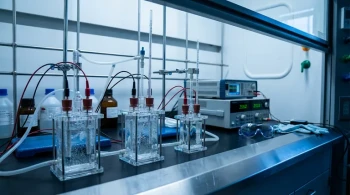
The Silent Volatility: Mastering the Art and Safety of Electrolytic Cells
Electrolytic cell safety requires more than just PPE. It demands a systemic approach to managing invisible chemical, electrical, and physical hazards.

The Silent Variable: Why Meticulous Cell Care Defines Electrochemical Truth
Discover why rigorous maintenance of super-sealed electrolytic cells is the secret to reproducible data. Expert tips on cleaning, storage, and electrode care.
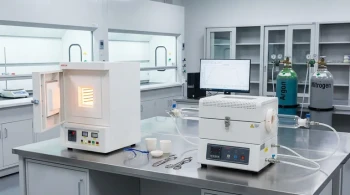
The Geometry of Control: Why Shape Dictates Chemistry in High-Temp Labs
The difference between muffle and tube furnaces isn't just heat—it's geometry. Learn how chamber shape dictates atmosphere, purity, and experimental success.
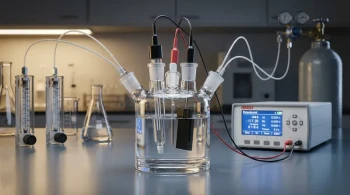
The Geometry of Control: Why Millimeters Dictate Experimental Destiny
In electrochemistry, the difference between success and failure often lies in aperture size. Explore the engineering logic behind Φ 6.2mm and Φ 3.2mm standards.
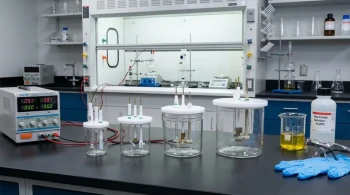
The Glass Heart of the Experiment: Mastering the Electrolytic Cell
Master the art of handling electrolytic cells. Learn the critical balance between physical fragility, chemical safety, and operational precision.
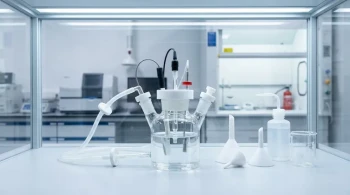
The Architecture of Silence: Purity in the Five-Port Cell
Preventing contamination is not just about cleaning; it is about system management. Master the protocols for glass and PTFE to ensure electrochemical precision.
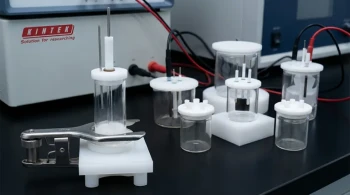
The Invisible Variable: Why Cell Geometry Defines Electrochemical Success
Discover how selecting the right quartz electrolytic cell volume and geometry impacts experimental accuracy. From standard 30ml units to custom designs.
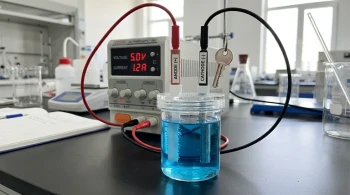
The Invisible Valve: Why Electrode Polarity Dictates Chemical Destiny
Electrode polarity isn't just a label; it determines where oxidation and reduction occur. Master the physics of the electrolytic cell to prevent failure.
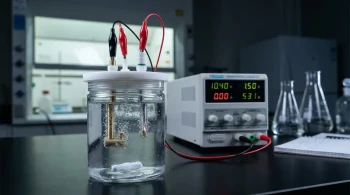
The Architecture of Electron Flow: Mastering Control in Electrolytic Cells
True control in electrolysis isn't just about power. Explore the interplay of voltage, current, and electrolyte composition for precise chemical synthesis.
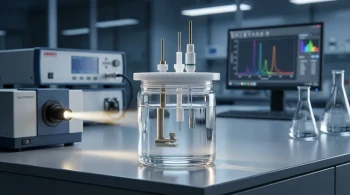
The Architecture of Precision: Why Your Electrolytic Cell Specs Matter More Than You Think
Discover the critical logic behind electrolytic cell specifications. From aperture geometry to volume trade-offs, learn how the right vessel defines experimental success.

The Art of Preservation: Protecting Your Electrolytic Cells and Your Data
Avoid the two cardinal sins of cell cleaning. Discover how gentle precision and correct chemistry protect your electrolytic cells and ensure data integrity.
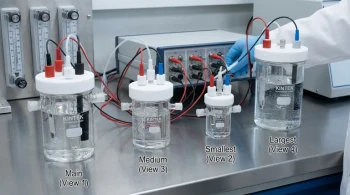
The Geometry of Control: Why Cell Volume is the Invisible Variable
Discover why electrolytic cell volume—from 10ml to 1000ml—is a critical active variable in electrochemical stability, thermal control, and data accuracy.